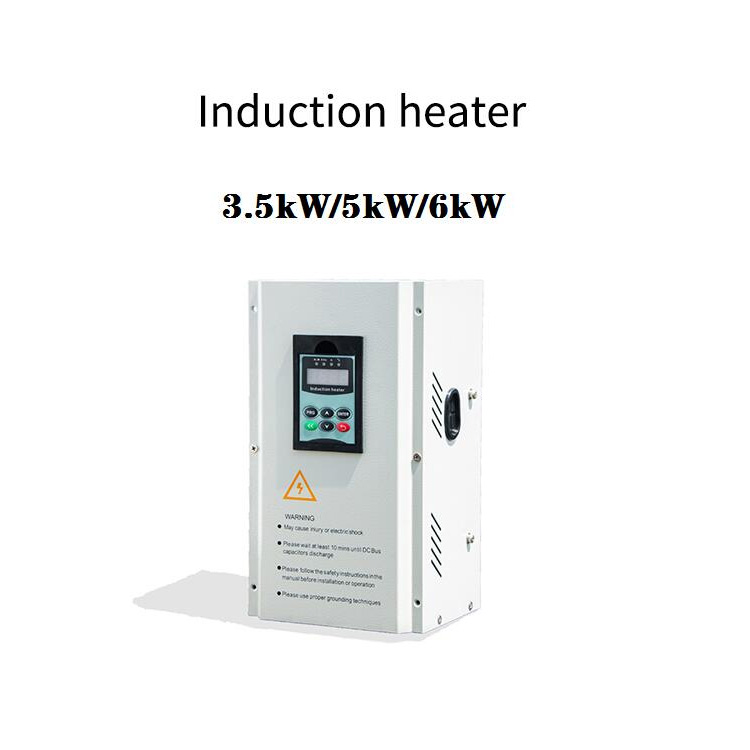
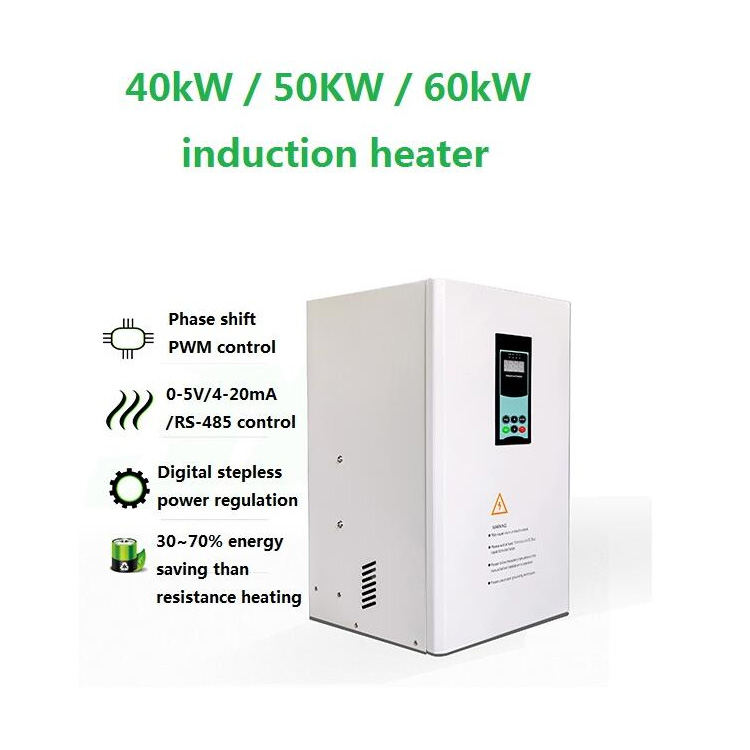
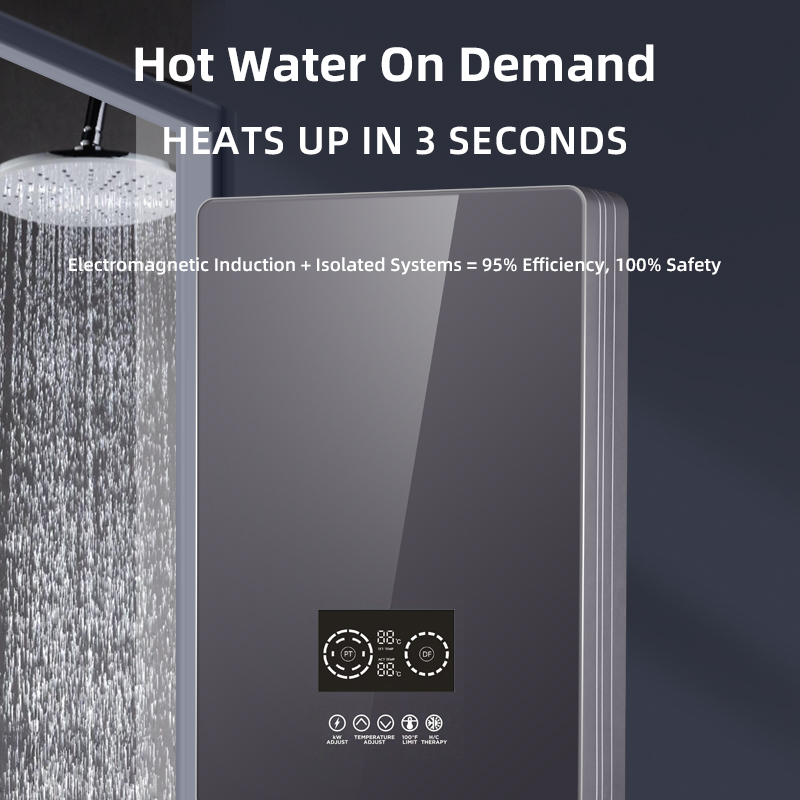
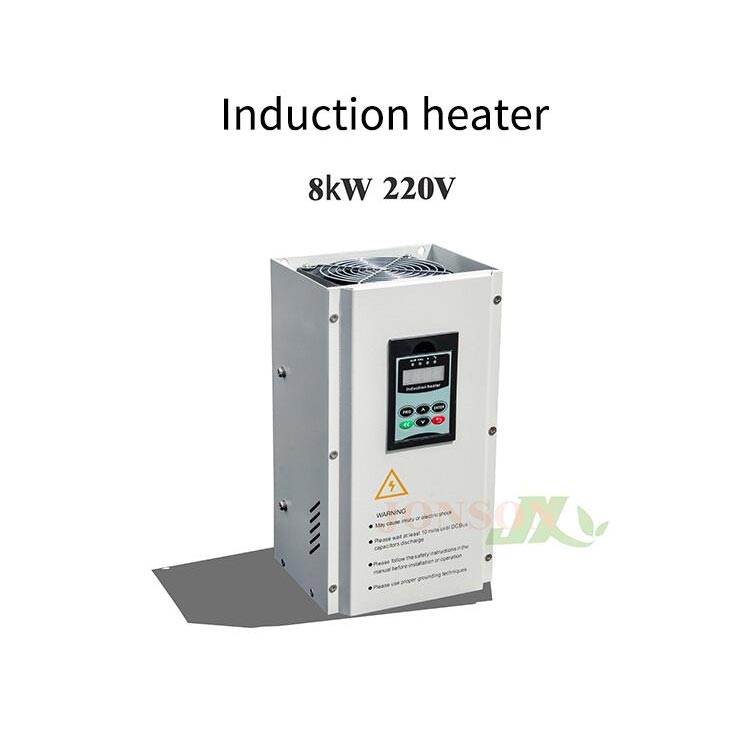
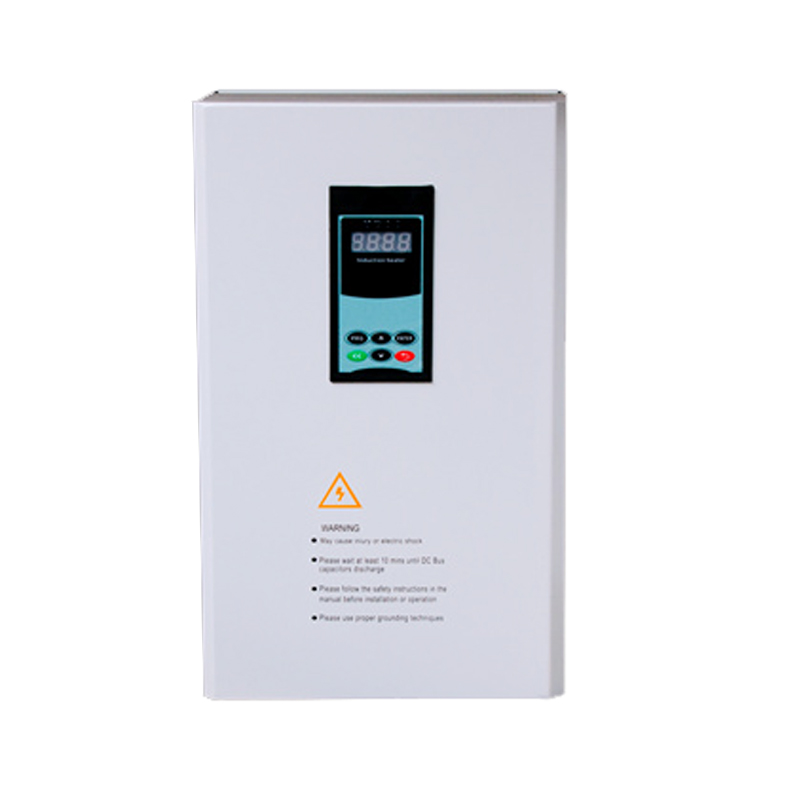
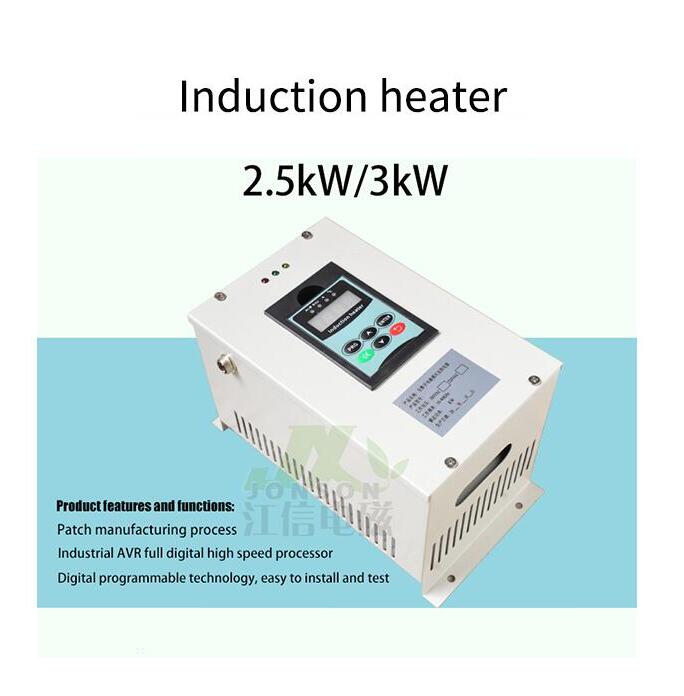
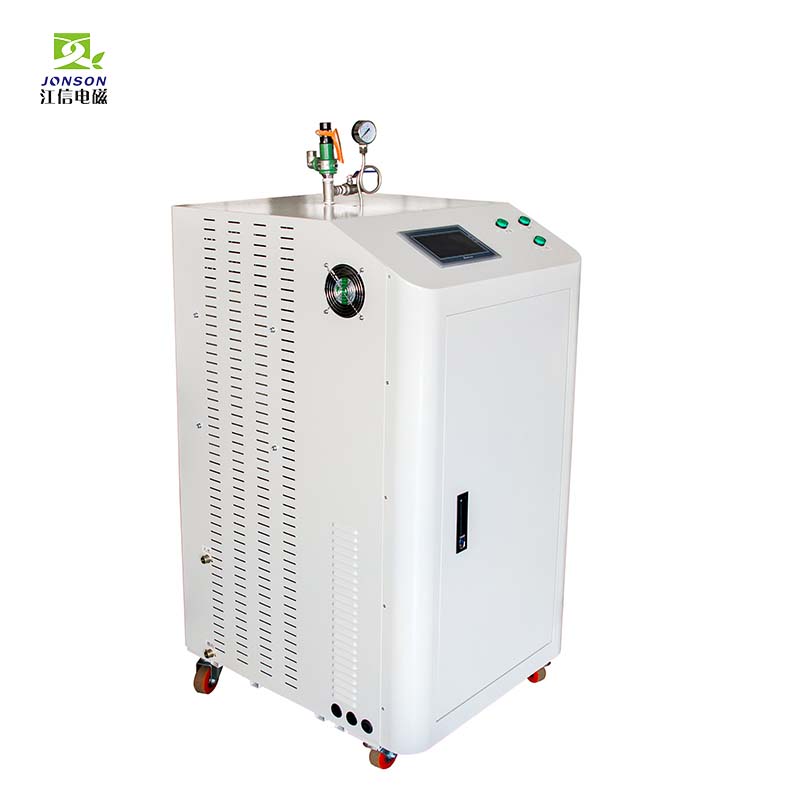
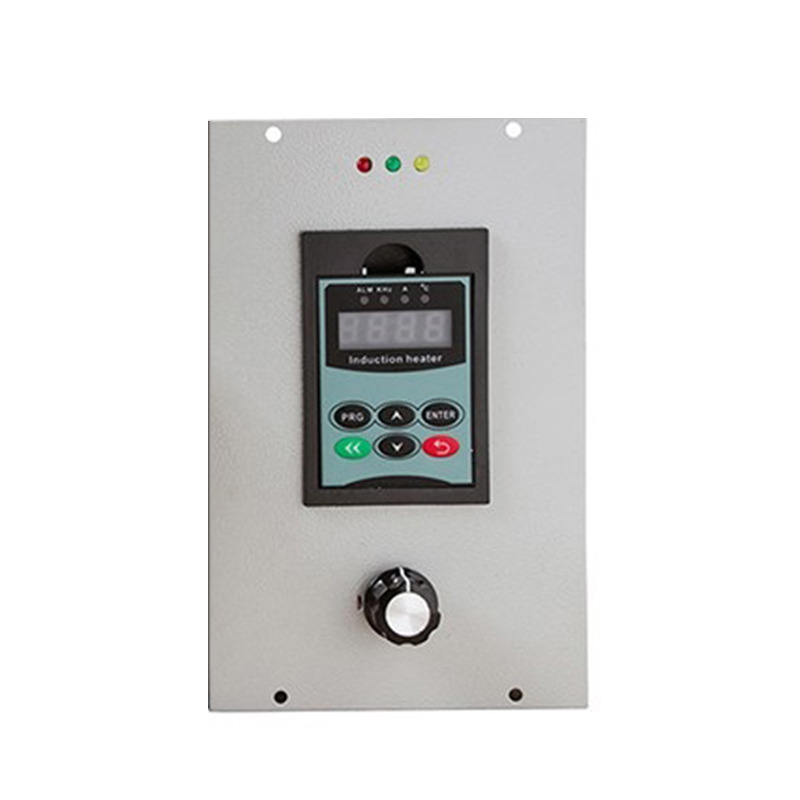
Industrial induction heaters are one of the most efficient, accurate and diverse heating technologies used in modern manufacturing. Unlike conventional heating or open flame systems, induction heaters use electromagnetic energy to generate heat directly inside the workpiece. This is for applications requiring fast heating cycles, repeatable results, strict temperature control and low energy waste.
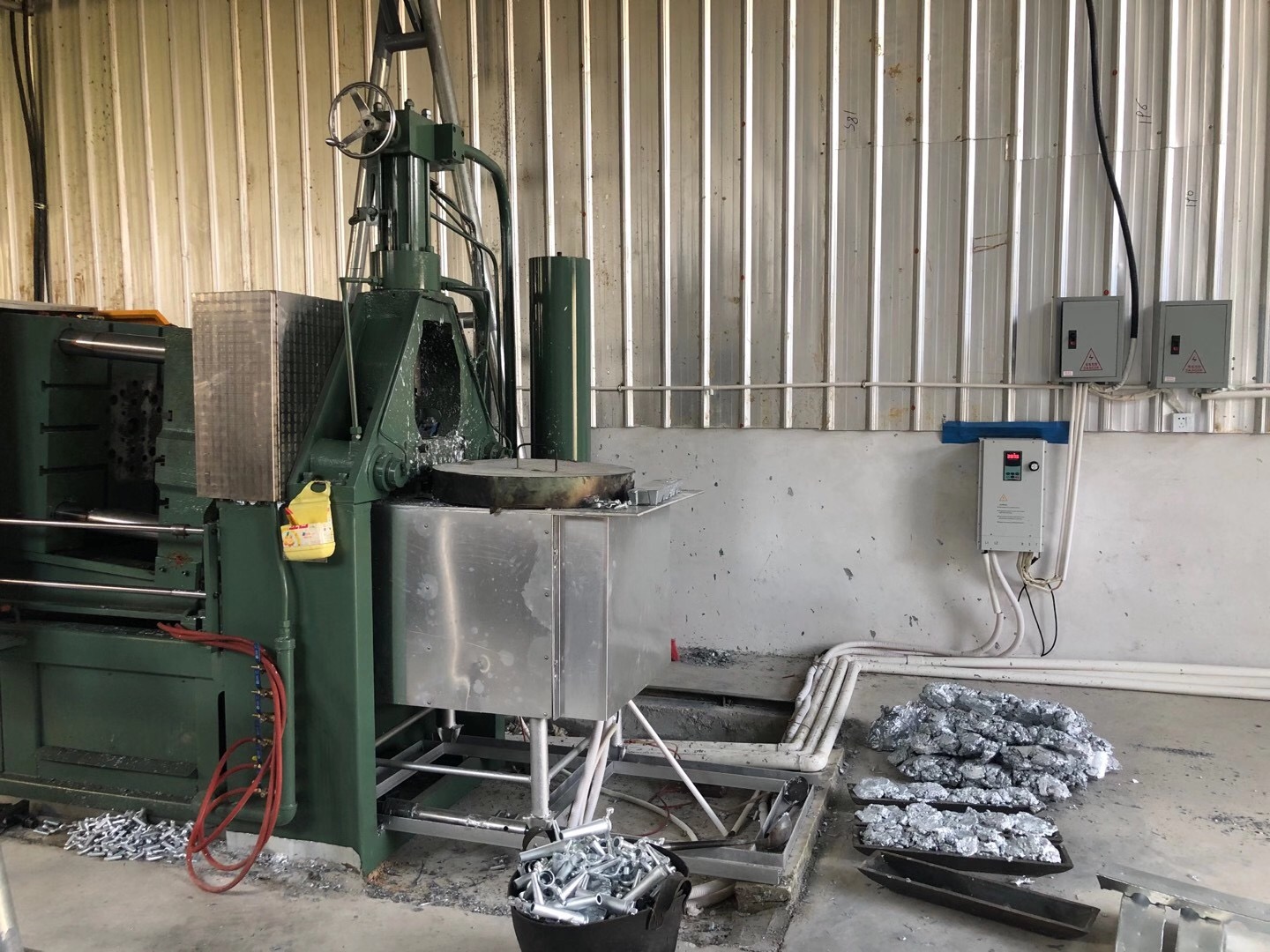
Mechanism of industrial low temperature heating
Induction heating utilizes electromagnetic induction. When alternating current passes through copper Coyle, a rapidly changing magnetic field is generated. Conductive material located inside or near Coyle absorbs this magnetic energy, and a circulating current called eddy current occurs inside the work. These rotating currents undergo electrical resistance, and their resistance generates heat.
In magnetic materials such as steel, another mechanism called hysteresis loss also contributes to heating. Additional thermal energy is generated by internal friction when the magnetic field of the material is rearranged by a new magnetic field. When the material reaches the Curie temperature, the magnetic loss is lost and heating is mainly continued by eddy current.
Main types of industrial induction heaters
Industrial induction heaters are generally grouped by frequency range and application.
Low frequency induction heaters are often used in large diameter work, deep heating, low pressure and gravity applications. They provide a strong penetration depth, making them suitable for large-scale metal parts.
Medium frequency flow heater is widely used in flow hardening, electric heating, welding and medium-sized welding. They offer a balanced combination of heating speed and penetration depth.
High frequency induction heaters are best suited for surface heating, small part welding, high pressure welding and precision curing. Higher frequencies allow for greater heat concentration near the surface.
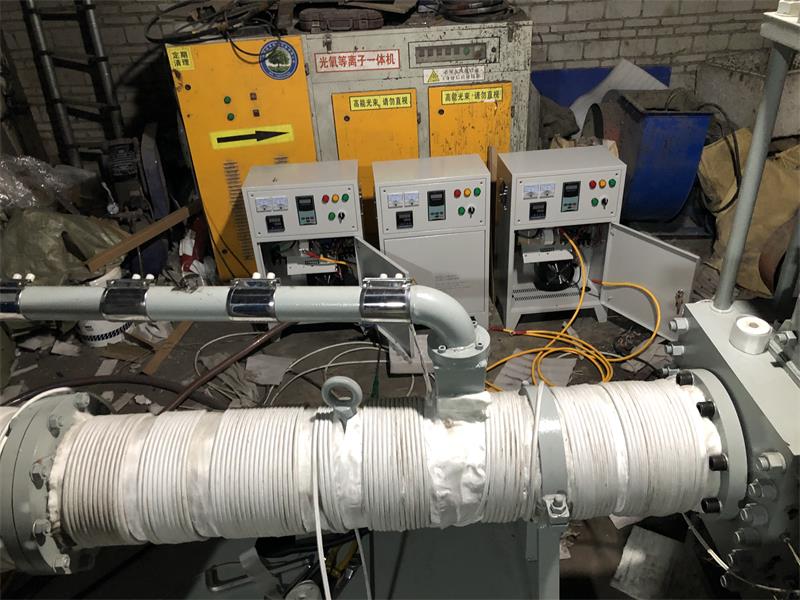
Induction Heaters Major industrial applications
Induction heaters are used in many used and precision manufacturing fields.
Induction curing is one of the most common applications. Manufacturers can strengthen specific areas of the shaft, gear, lift control and bearing surface without heating the entire component. This improves wear resistance while maintaining robustness in unaffected areas.
Induction soldering and electric heating are widely used before forming work. Induction-heated billets, bars or winches improve material flexibility and reduce mechanical stress during milling, extrusion or bending.
Induction welding and clean welding are preferred when clean and localized joints are required. This course is common in the automotive, HVAC, electrical and tool industries.
Induction melting is used in foundries and metal recycling operations. The induction line enables ferrous and non-ferrous metals to be fluidized with high thermal efficiency and controlled chemistry.
Advantages of Industrial Induction Heating
Induction shrinkage fittings are another practical application. It is used to extend metal parts such as bearings, gears or bushings and can be assembled to the right shaft in safety.
biggest advantages is energy efficiency. Because heat is generated inside the workpiece, less energy is lost to the surrounding environment than with flame heating or resistance furnaces.
Speed is another big advantage. Induction heaters can bring components to the target temperature in seconds or minutes, depending on mass, material and frequency. This supports a mass production environment.
The repeatability of the process is strong. Once power, frequency, coil geometry and heating time are defined, the system can reproduce the same thermal profile across thousands of components. This reduces scrap and improves quality control.
Induction heating is cleaner than combustion-based methods. It produces no open flames, produces minimal smoke, and produces less radioactive heat in the working space, supporting safer and more comfortable operating conditions.
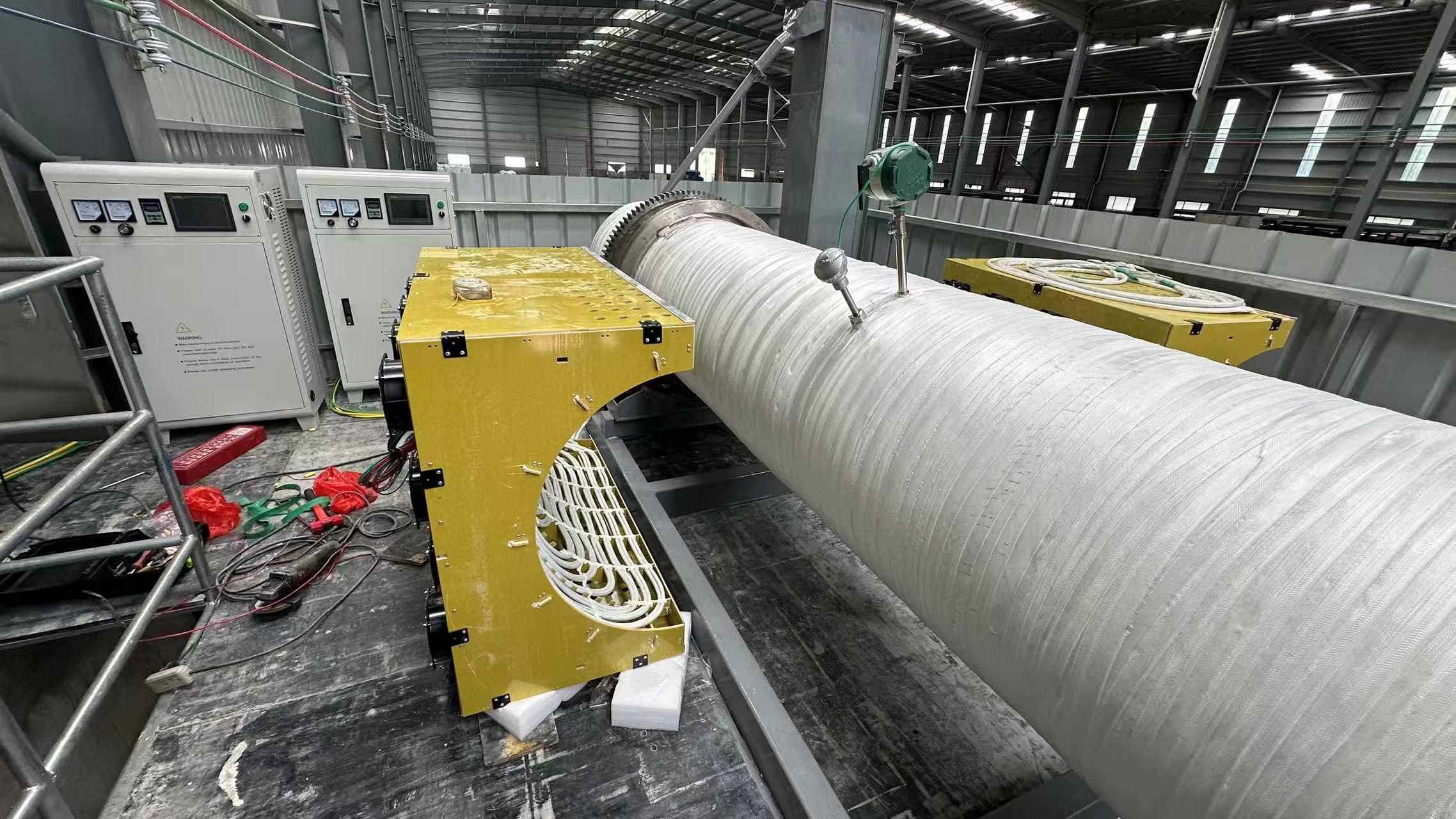
Factors to Consider When Choosing Induction Heaters
Choosing the right industrial phosphate heater depends on several technical factors.
The type of material determines how effectively the work absorbs inductive energy. Conductivity and magnetism react differently, so the heater must match the material properties.
Part size and geometry influence the coil design. Complex shapes may require custom coils to ensure uniform heating.
The required heating depth affects the choice of frequency. Deeper heating usually requires lower frequencies, but surface heating benefits from higher frequencies.
Productivity determines whether manual, semi-automatic or fully automated induction systems are suitable.
The power rating should be sufficient to achieve the desired heating speed without overloading the system.
Induction Heaters Maintenance and safety considerations
Industrial cutting heaters require proper maintenance to maintain reliability. Please check the cooling system, the power source connection, the condenser, the Coyle and the control board regularly. Water cooled Coyle needs to periodically check the flow rate, pressure and contamination to prevent overheating.
Safety is equally important. The operator must comply with the lock procedure, avoid contact with active Coyle, and wear an appropriate personal protective device. Strong electromagnetic fields may also affect neighboring electronics, pace makers and magnetic media, so you need to carefully plan installation layout and shielding design.
Finally
Industrial induction heaters are a powerful option for manufacturers requiring fast, clean, reproducible, and energy efficient heating. Induction heating technology provides precise temperature control for various metals, from quenching and stress processing to welding, welded joints, and baking fit. It is essential to select the appropriate frequency, power level, Coyle design and automation settings to maximize performance and reduce energy costs and maintain consistent production quality.