If you've ever seen metal parts turn red and heat without contact with flames or heating elements, you've already seen induction heating. This technology is widely used in modern manufacturing because it can have thermally conductive materials quickly, accurately and without direct contact.
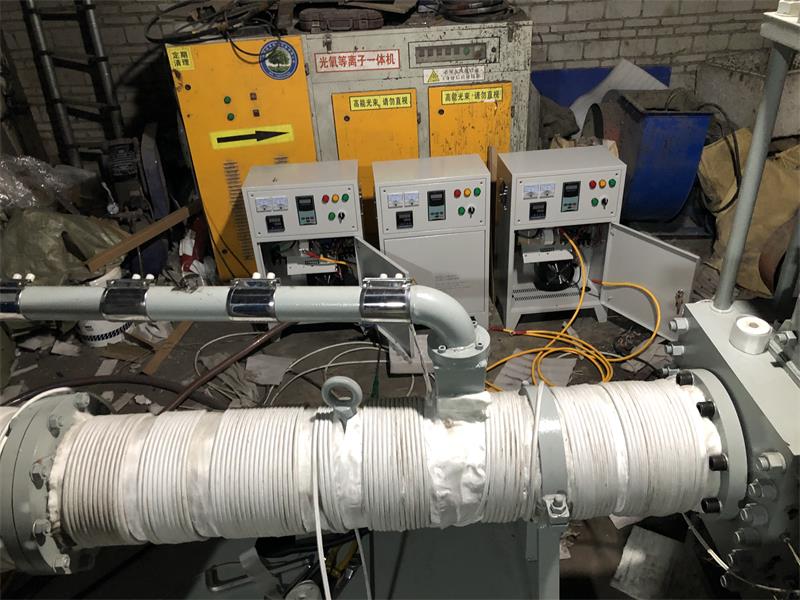
However, what is an induction heating system, and how does it generate heat?
Simply put, the human intermittent heating system utilizes a changing electric field to generate electric current within conductive materials. The material's resistance then converts this current into heat. This fundamentally differs from conventional resistive heating, where heat is first generated by the heating element and subsequently transferred to the material.
What is induction heating system?
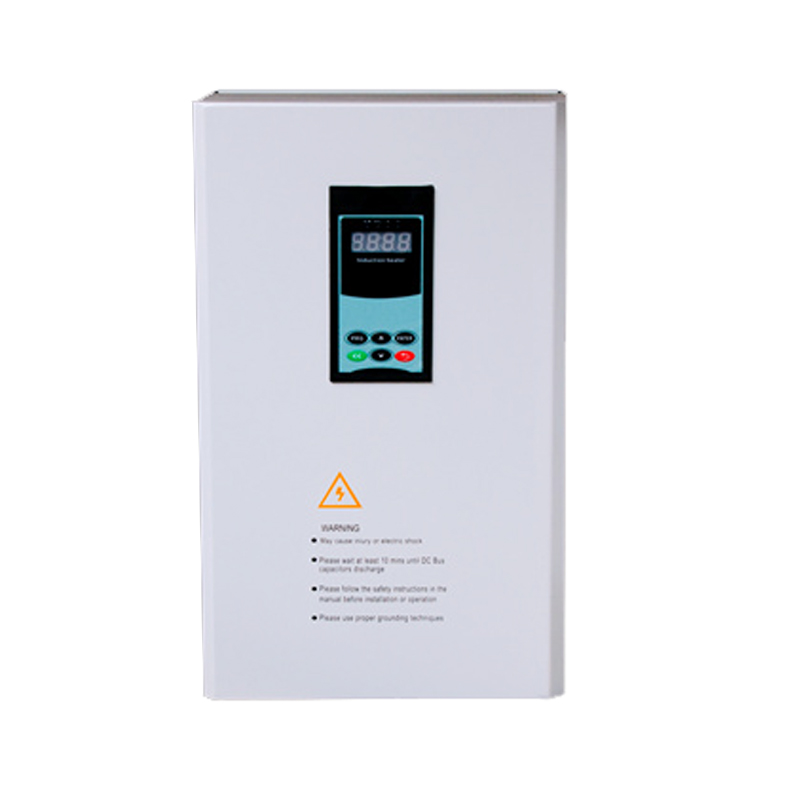
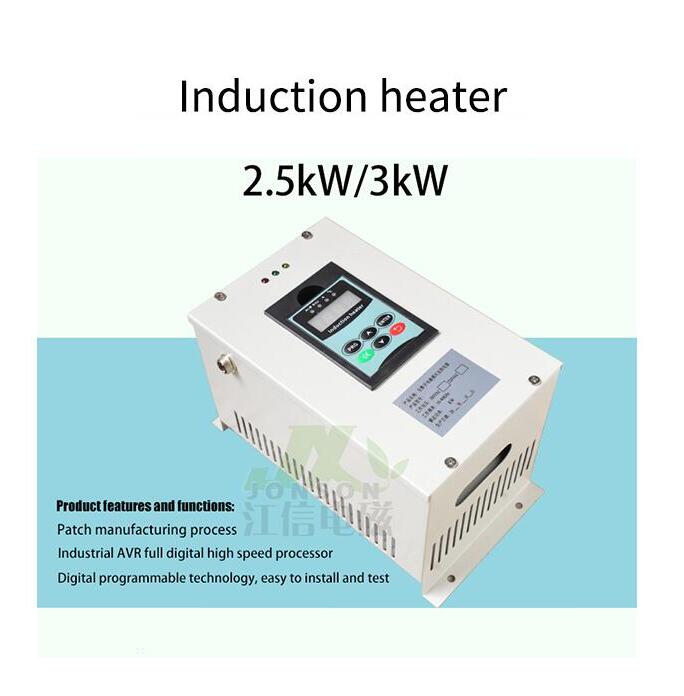
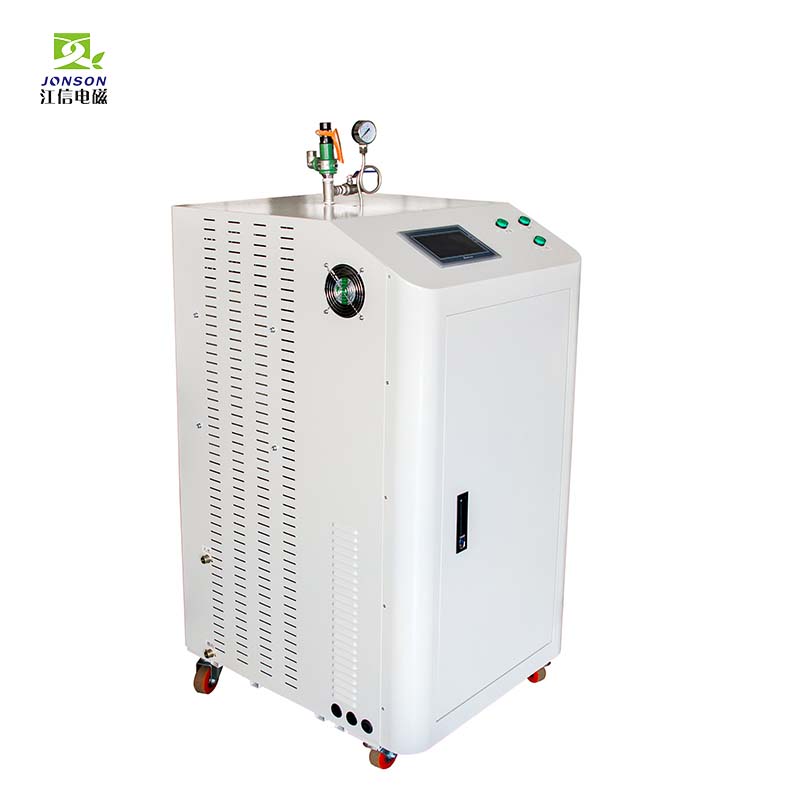
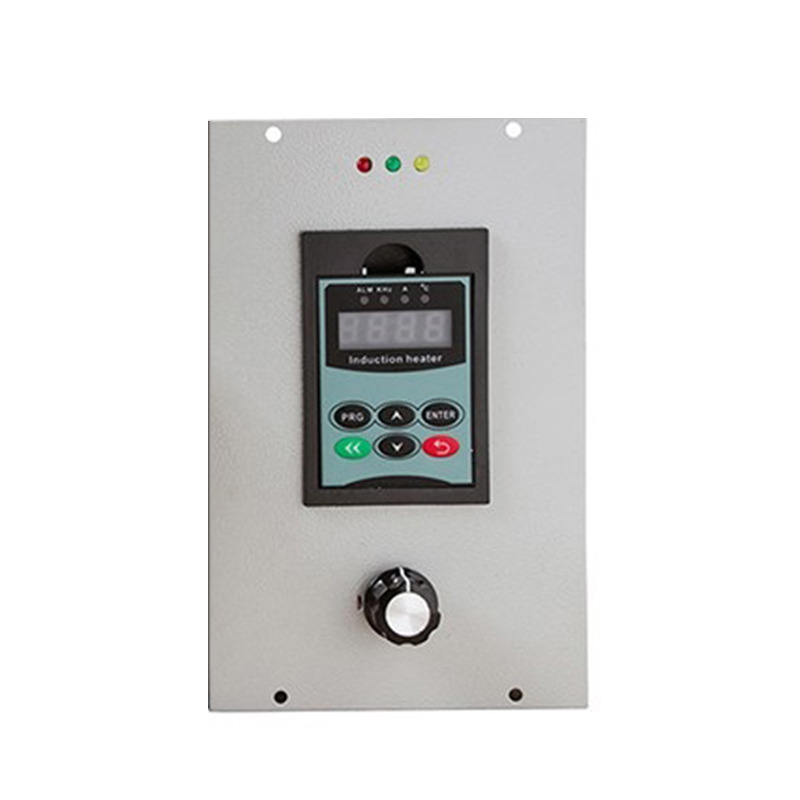
Induction heating systems are special electrical heating systems designed to heat electrically conductive materials through electromagnetic induction.
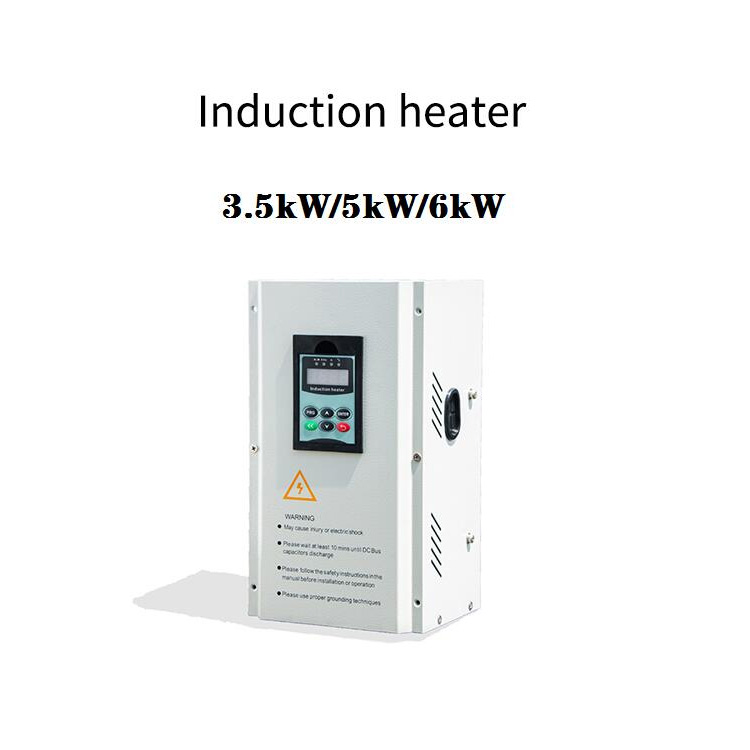
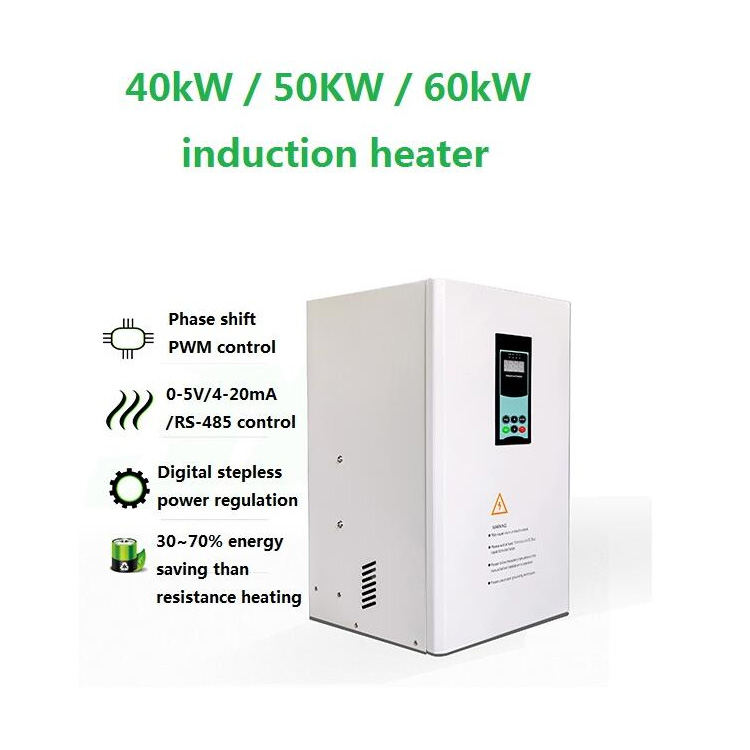
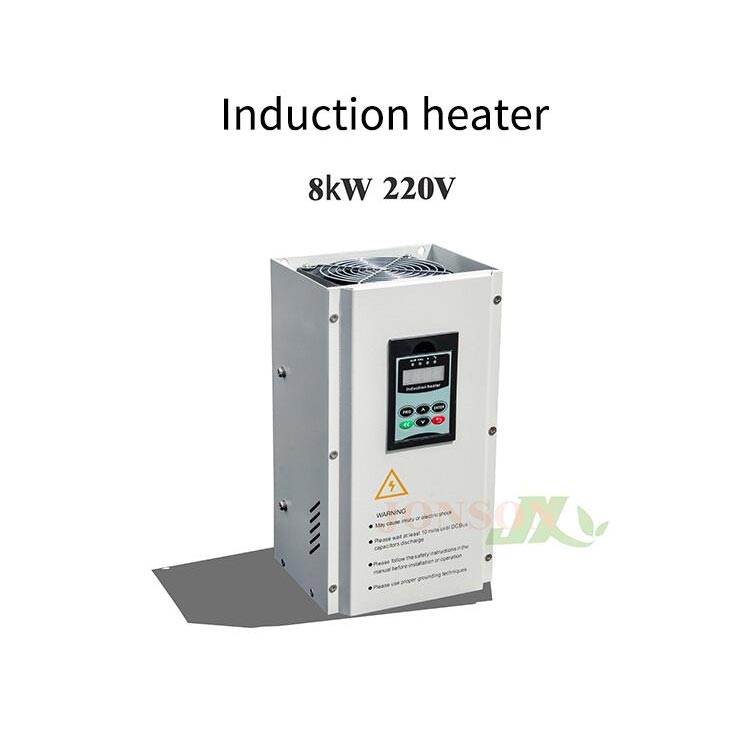
A complete industrial induction heating system generally consists of induction heating power supplies, induction coils, control systems, cooling systems and related electrical components. Depending on the application, temperature sensors, automatic supply systems, insulation devices and customized heating equipment can also be integrated.
The system can be designed to suit a variety of materials, processing sizes, heating temperatures and production requirements. This flexibility allows you to build induction heating systems suitable for all applications, from individual component production to continuous industrial production lines.
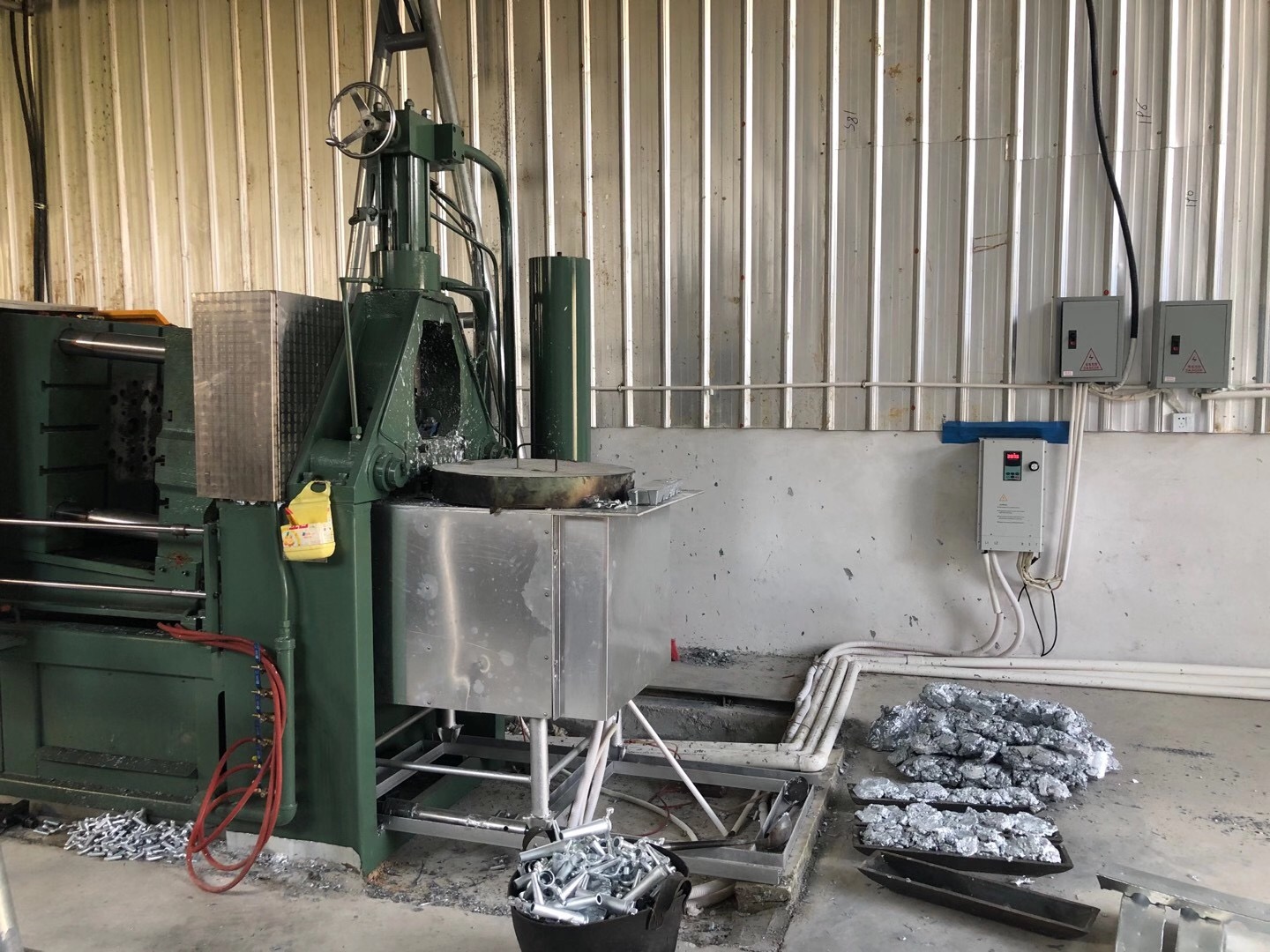
How does the inductive heating system work?
The principle of inductive heat work i s based on electromagnetic induction.
First, power supply converts electricity into high-frequency streams. This variable flow flows through the inductive coil, Creating a different magnetic field around it.
When a conductive metal work is placed within this magnetic field, A stream is induced inside the material. - This circulating stream is called the eddy stream. Since metals have electrical resistance, This circulating flow generates heat directly within the operation.
The basic process can be briefly described as follows:
Electric energy → Current change → Magnetic field → Warp current → Heat
The heating effect depends on several factors such as material, coil design, operating frequency, power, workpiece shape, heating time, etc.
Therefore, it is common for professional induction heating equipment not to use the same settings for all projects, but to be configured to suit the actual application.
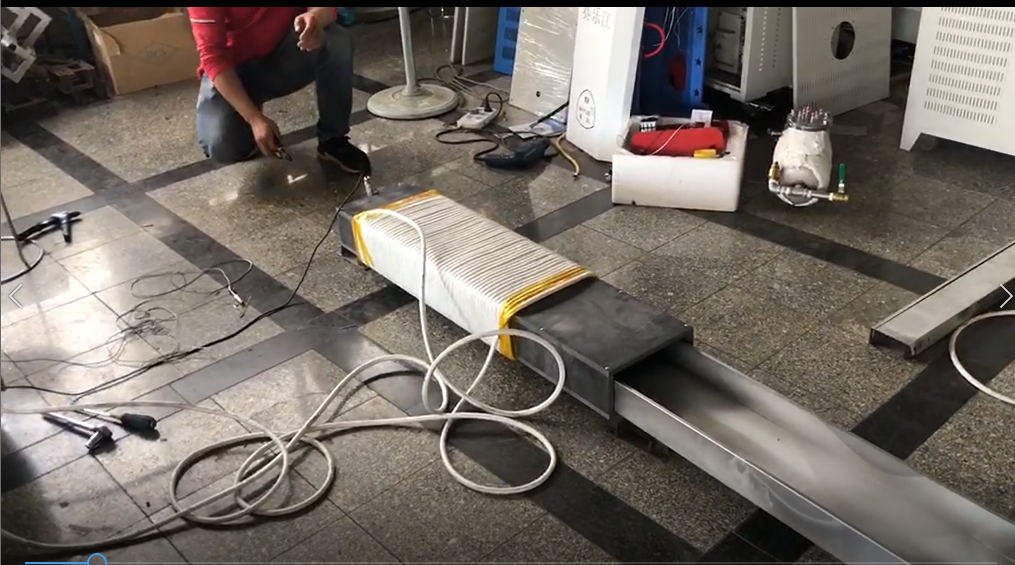
What are the advantages of induction heating?
One of the biggest advantages of induction heating systems is the fast heating speed. Because the heat is generated inside the product itself, the heater is heated like conventional heating methods, so it does not take time to transfer heat through the material.
Induction heating also enables precise heating control. Power input, frequency, heating time, temperature etc. can be adjusted according to the manufacturing process. With proper temperature monitoring, manufacturers can achieve consistent heating results across all products.
Another important feature is the non-contact heating method. Induction heaters generally do not require contact, so they reduce mechanical wear and are suitable for automated production.
In addition, induction heating is an environmentally friendly heating method as it does not require a combustion process. It is a very attractive technology for plants that want to reduce their dependence on heating equipment that uses fuel.
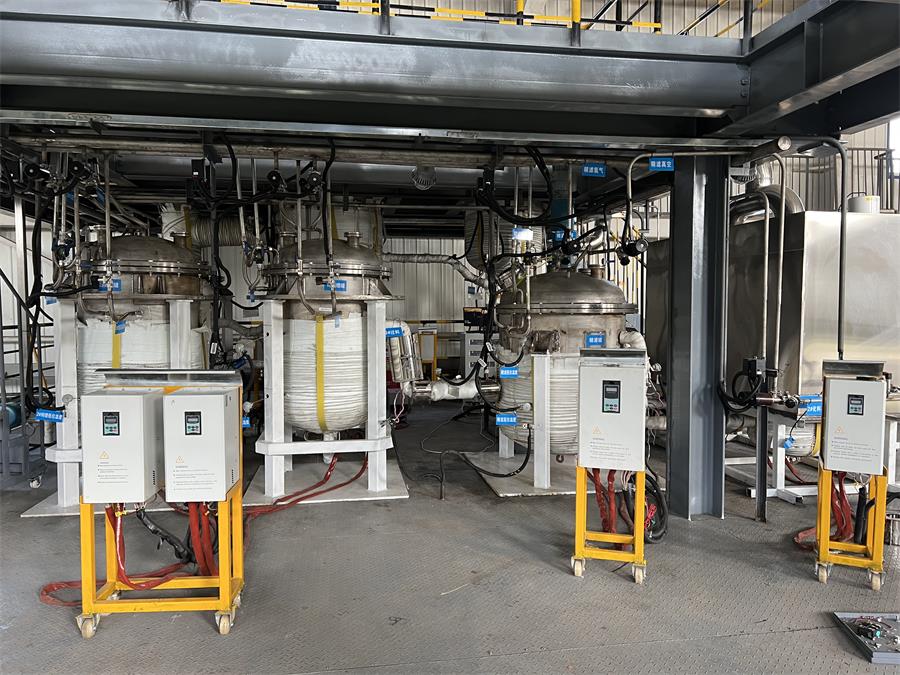
How to choose the right induction heating system
When choosing an industrial induction heating system, only output should not be considered.
The first things to consider are material, processing size, target temperature, required heating speed, production capacity, power supply and installation space.
The design of the induction coil is also very important. Increasing the density of the coil can improve heating efficiency and temperature uniformity, but if the density drops, the heating speed may be slowed or heating may not be selected.
Operating frequency is also an important factor. The required frequency range may vary depending on the material, shape and heating depth. Therefore, testing the actual workpiece is the best way to determine the appropriate output and frequency.
Differences between induction heating and conventional resistance heating methods
The conventional resistance heating method is the way heat is generated through a heater and transmitted to the process. In contrast, inductive heating generates heat directly from the inside of the conductive material through electromagnetic induction.
Due to these differences, in the appropriate application, the advantages such as fast response speed, local heating, easy automation, reduction of heat loss to the surrounding environment can be obtained.
However, induction heating is not the optimal solution for all materials or processes. For non-conductive materials, a conductive substrate or other suitable heating device may be required. Therefore, the final system must be selected according to the actual production requirements.
Conclusion
Induction heating systems are a modern industrial heating solution that uses electromagnetic induction to generate heat directly from the inside of a conductive material. It has the advantages of fast heating speed, precise control, non-contact operation, automation, - etc., and can be widely used in various manufacturing fields.
Induction heating systems can be tailored to a wide range of applications, from metal heat treatment and bearing installation to pipeline heating and plastic extrusion.
Accurate understanding of the material being processed, the required temperature, heating time, power, frequency, structural design, etc. is the key to choosing the right induction heating equipment. Properly designed and tailored to the requirements of the industrial site, induction heating systems can provide a practical alternative to existing heating technologies.