In many industries, including chemical processing, pharmaceuticals, food production, cosmetics, coatings, adhesives, and new materials, Reaction kettle devices are one of the most energy intensive equipment on the production line. Due to the fact that Reaction kettle typically works continuously for long periods of time, heating systems have a significant impact on operating costs and production efficiency.
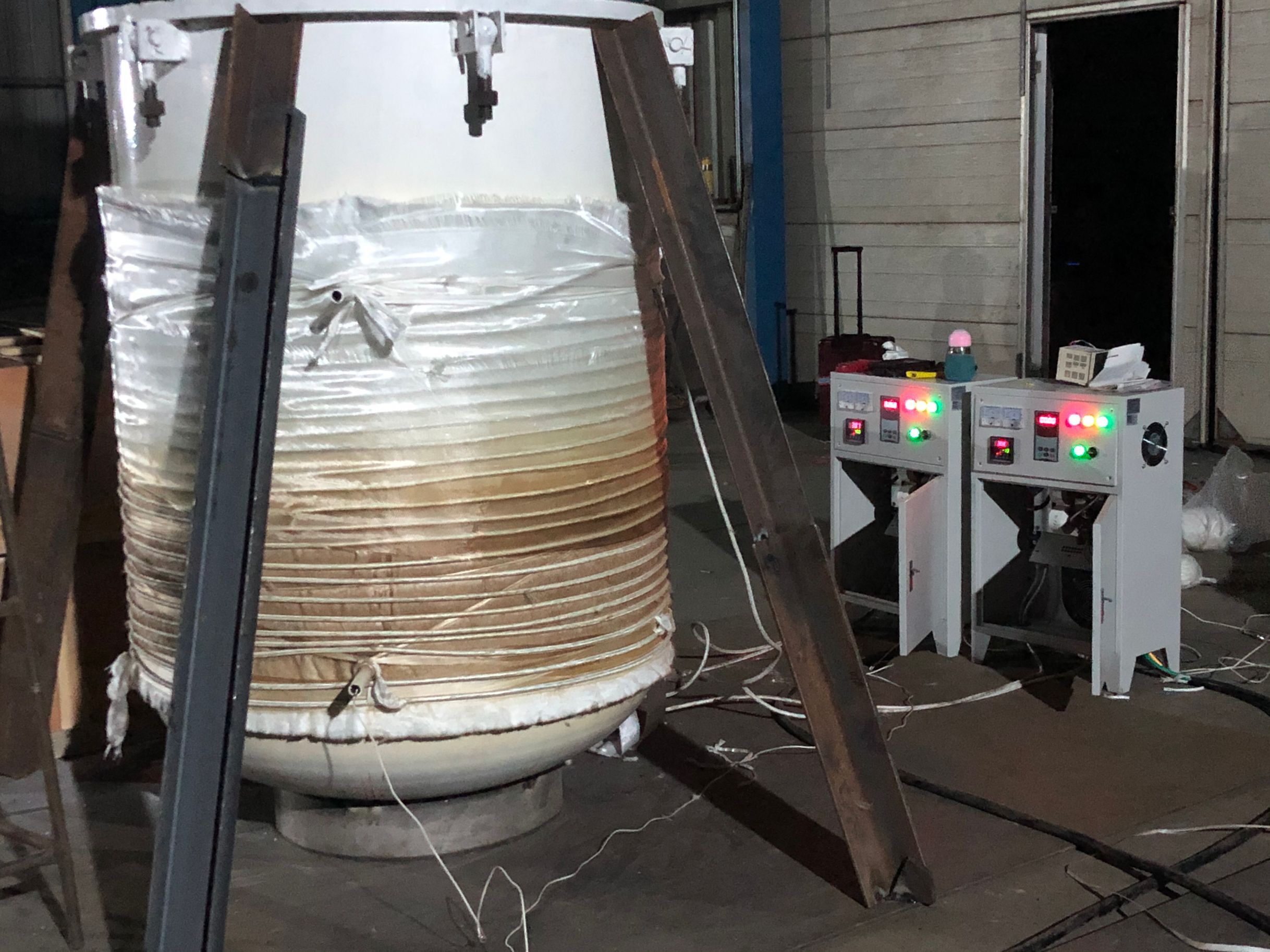
Many factories still rely on traditional resistance heaters to heat Reaction kettle. This technology has been widely used for many years, but with the continuous rise in energy prices, it has raised some increasingly obvious drawbacks.
If Reaction kettle consumes too much electricity, heats up slowly, creates uncomfortable working environments, or requires frequent maintenance, it may be time to consider upgrading to regrettable heating technology.
Why traditional electrical resistance heating is no longer the best choice?
Electrical resistance heating works by converting electrical energy into heat through heating elements. The heat generated is transferred to the atomic vessel before reaching the internal material.
The system is relatively simple and inexpensive to install, but there are several inherent limitations.
First, energy efficiency is relatively low because heat must pass through several layers before reaching the process medium. During this transfer, a significant amount of heat is lost to the surrounding environment.
Second, the electric heating element operates at high temperatures for a long time. Over time, it is prone to aging, expansion, wear and failure, often increasing replacement and maintenance costs.
Another common problem is excessive thermal radiation. Most of the heat generated escapes to the reactor instead of entering the nuclear power plant. As a result, production areas become much hotter, especially during the summer, reducing operator comfort and increasing air conditioning costs.
For manufacturers seeking to reduce operating costs while improving production efficiency, these drawbacks can be significant.
Why More Manufacturers Are Choosing Induction Heating?
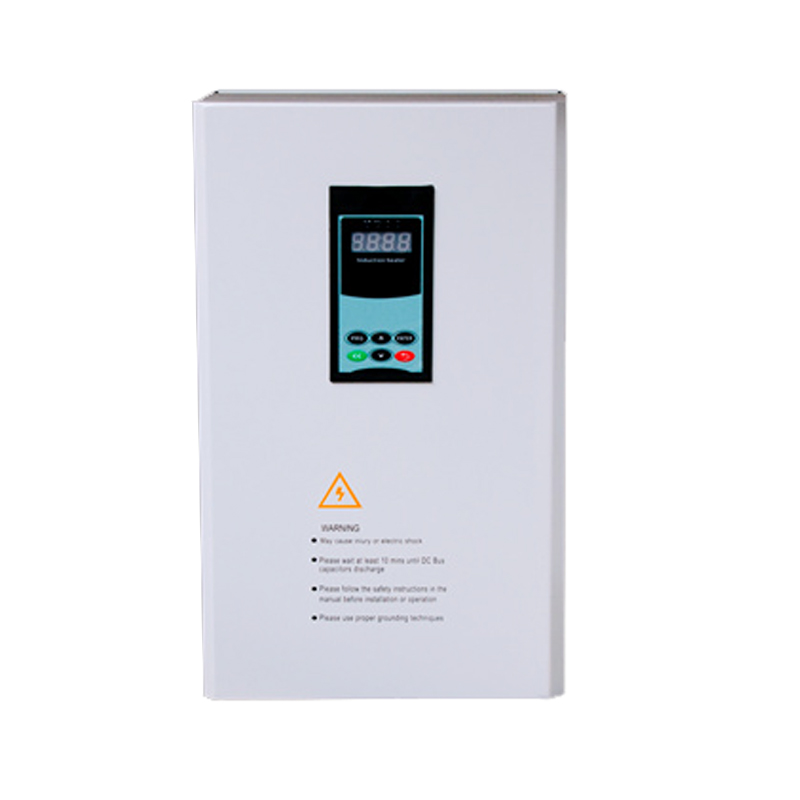
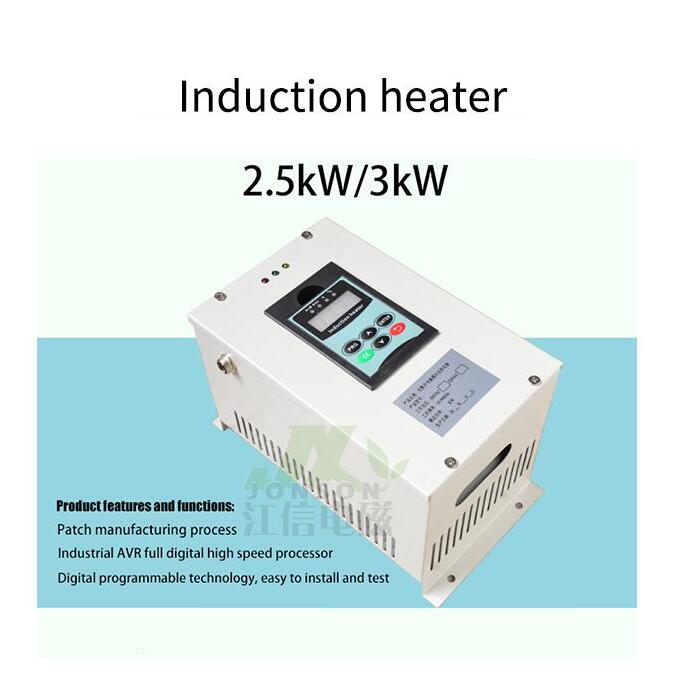
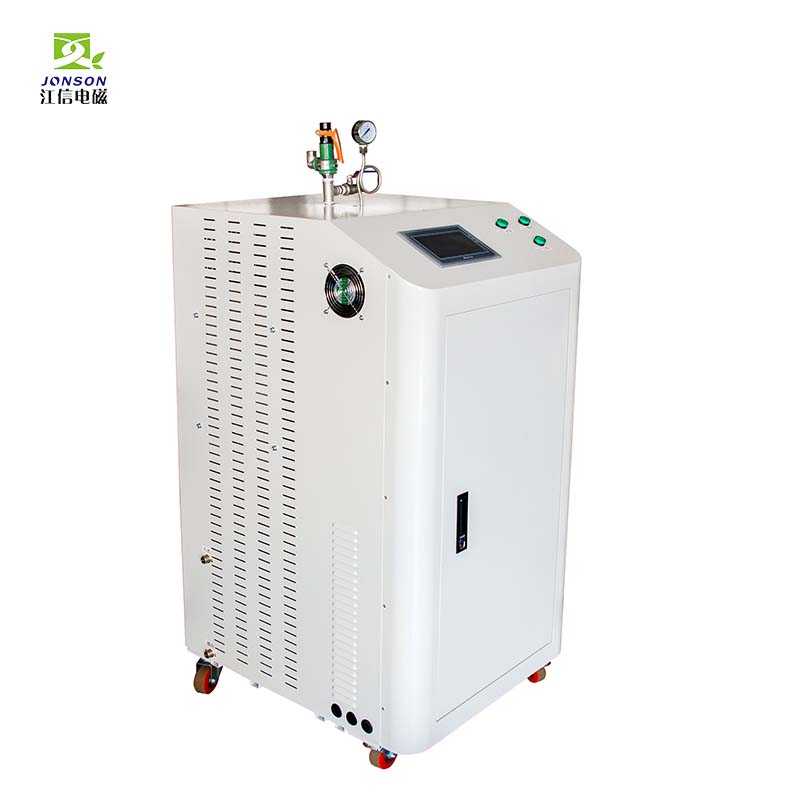
Unlike traditional resistance heating, induction heating uses a high-frequency electromagnet to generate heat through a induced boiler directly inside the metal wall of an atom.
Instead of heating the electrical element first, the atom itself becomes a heat source. This direct heating principle minimizes heat transfer losses and greatly improves overall heating efficiency.
Compared to traditional electric heating systems, inductive electric heating offers various advantages.
1、Higher energy efficiency, helping reduce electricity consumption.
2、Faster heating rates, shortening production cycles.
3、More accurate temperature control for improved product consistency.
4、No heating elements to burn out or replace.
5、Lower maintenance costs and reduced downtime.
6、Less heat loss to the surrounding environment, creating a more comfortable workshop.
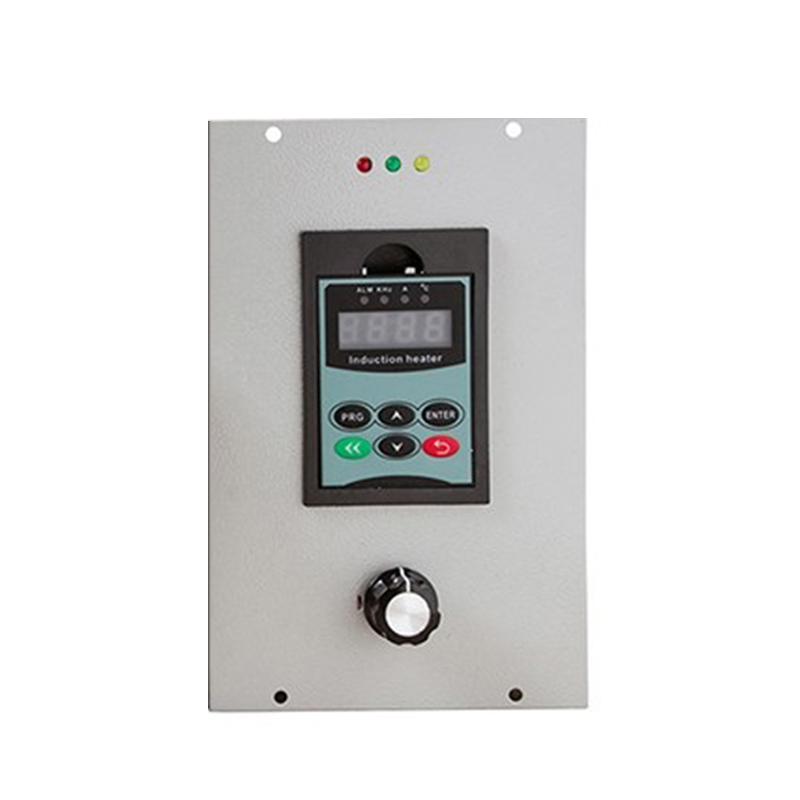
7、Intelligent digital temperature control for stable operation.
8、Long service life with excellent reliability.
9、Cleaner, safer, and more environmentally friendly operation.
For factories operating reactors every day, reducing energy consumption by even a modest percentage can translate into substantial annual cost savings.
Upgrading Existing Reactors Is Easier Than You Think
Many companies assume that switching to Induction Heating requires purchasing an entirely new reactor. Fortunately, this is usually unnecessary.
Most existing carbon steel and stainless steel reactors can be upgraded without replacing the vessel itself.
A typical retrofit process includes:
1 Removing the existing electric heating elements and related components.
2 Designing custom induction coils according to the reactor dimensions, material, operating temperature, and required heating power.
3 Installing a properly matched induction heating power supply and controller.
4 Wrapping the induction coils around the outside of the reactor in optimized heating zones.
5 Adding high-performance thermal insulation and completing system commissioning.