Why Traditional Extruder Heating Is Holding Manufacturers Back?
In extrusion-based manufacturing, heating is not only a kind of auxiliary function, but also directly determines product quality, energy consumption, equipment life and production stability. However, many manufacturers still rely on traditional resistive heaters and face problems such as slow response times, poor temperature distribution, frequent maintenance and rising power costs.
With rising energy prices and more stringent sustainable development goals, these restrictions can no longer be accepted. Manufacturers need faster, cleaner, more accurate and easier to control heating solutions.
Here, the compression heater of the extruder is rapidly gaining thrust. By replacing traditional heating elements with electromagnetic induction technology, extrusion production lines can achieve higher efficiency, better temperature uniformity, and significant long-term cost savings.
What is the induction heater of the extruder?
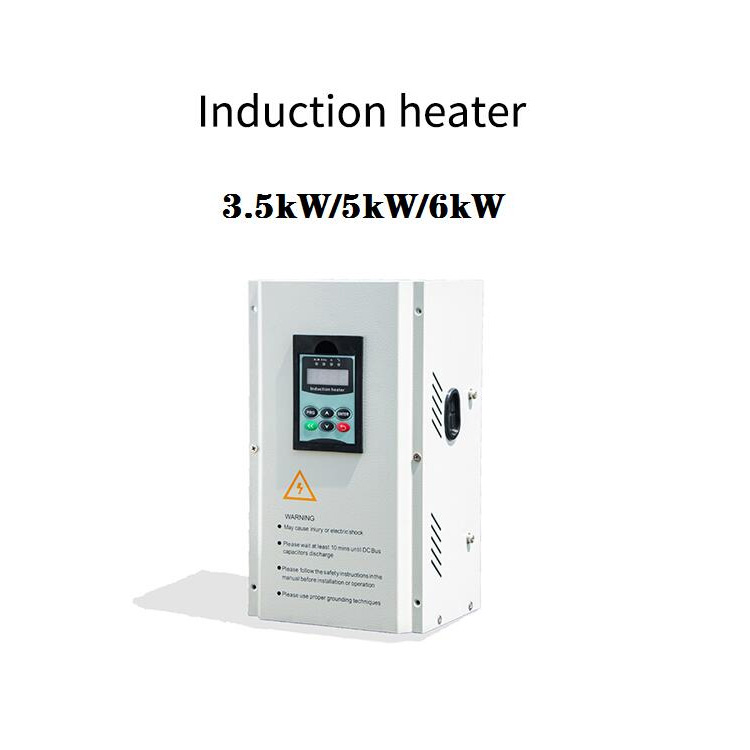
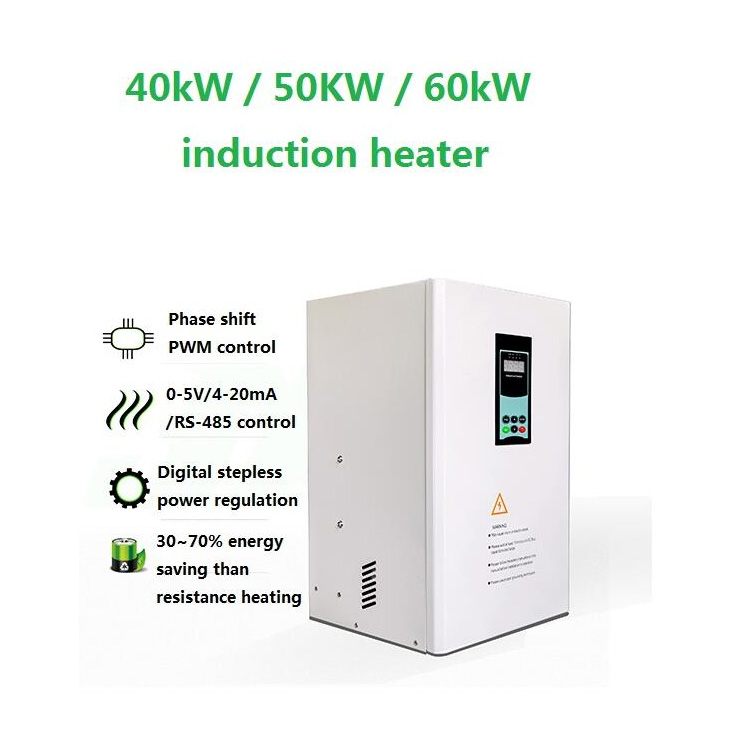
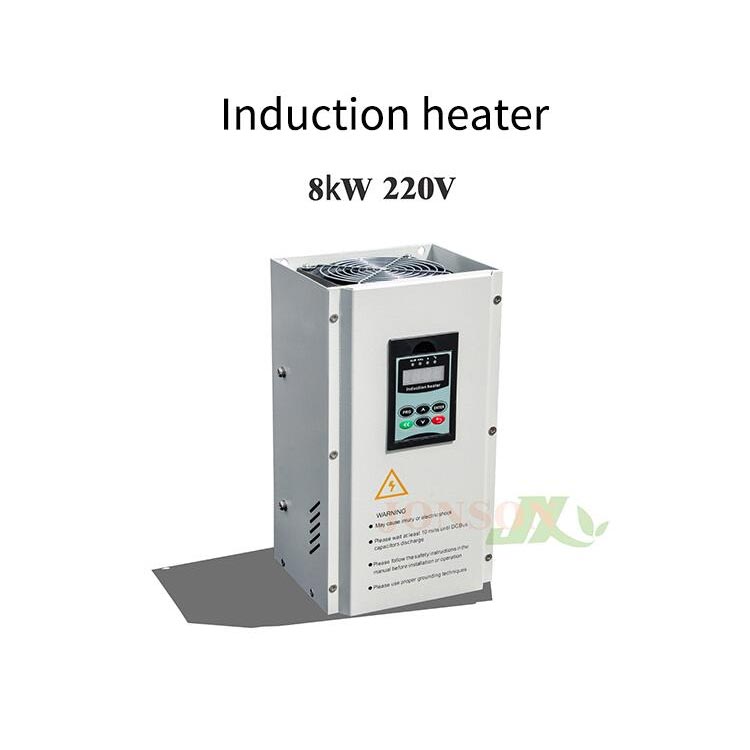
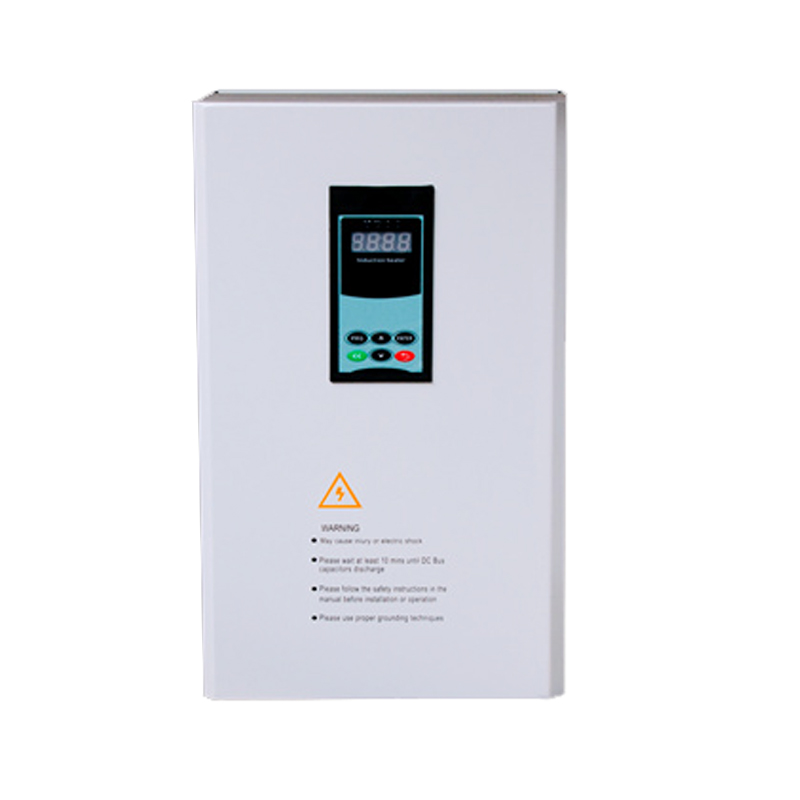
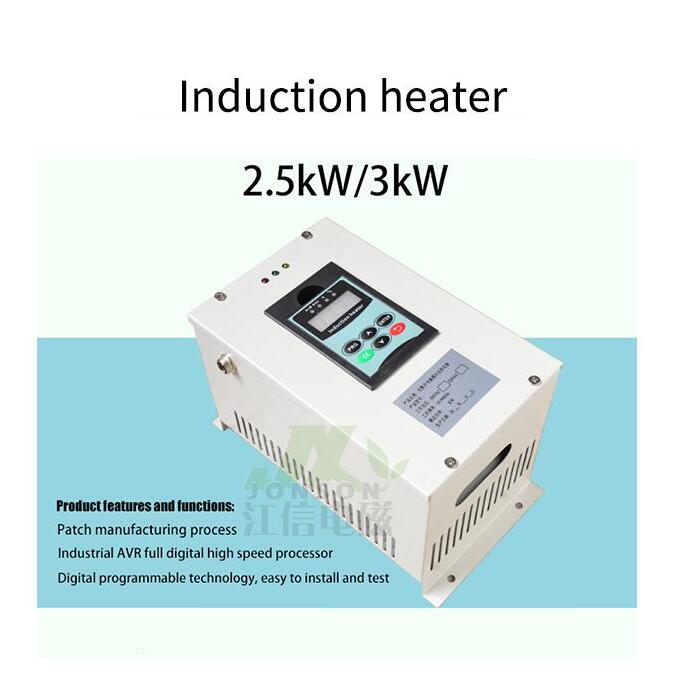
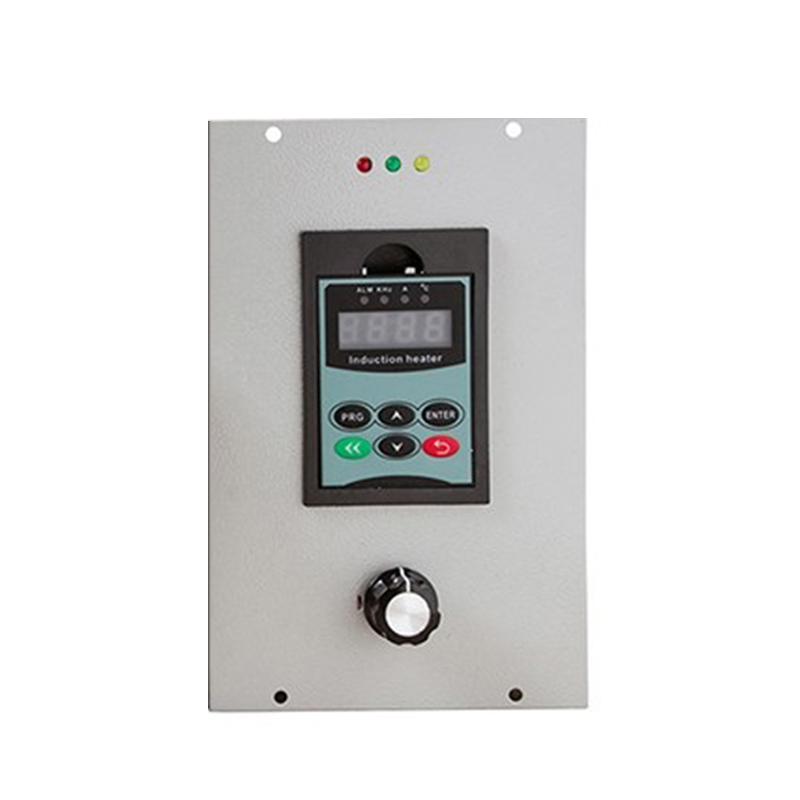
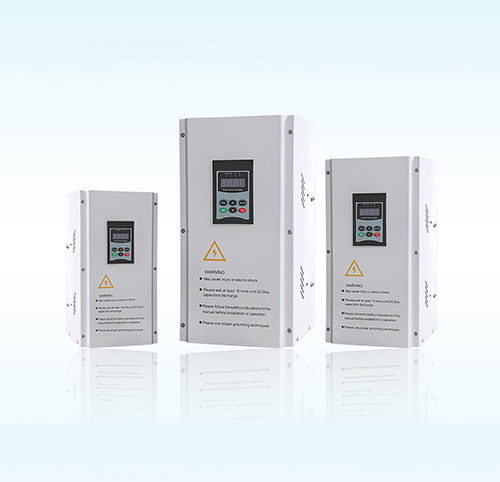
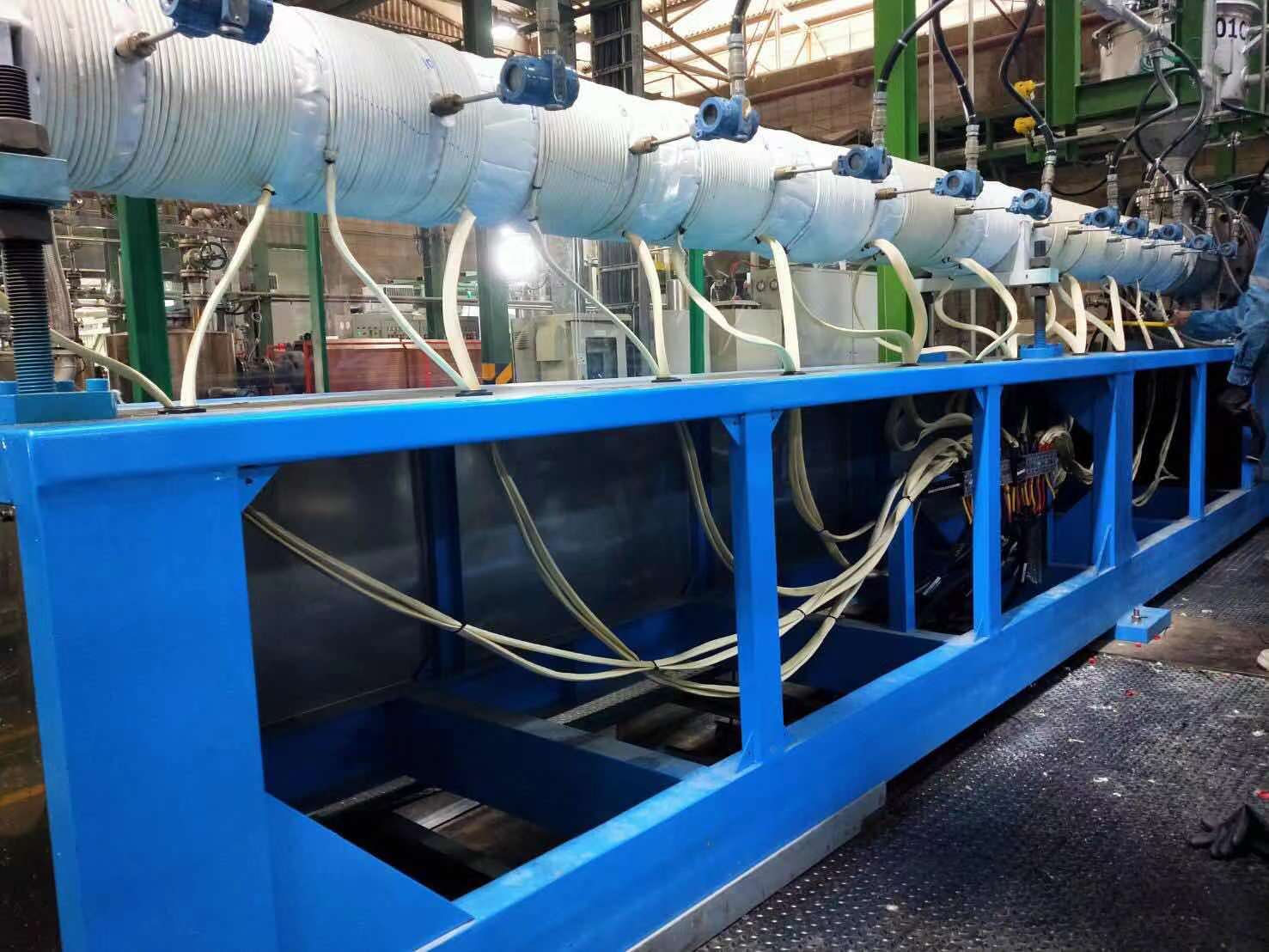
The booster for extruder is a non-contact heating system that uses a replaceable electromagnetic field to directly generate heat inside the extruder barrel. Inductive heating generates heat inside the barrel wall, rather than transferring heat from the resistive element through air and metal.
The fundamental difference lies in:
1. Faster heating and cooling response
2. More uniform barrel temperature
3. Reduce heat loss to the surrounding environment
Induction heating systems are widely used in plastic extruders, rubber extruders, twin-screw extruders, and compounding lines, where precise thermal control is critical.
How Induction Heating Improves Extruder Performance
1. Higher Energy Efficiency:
Traditional band heaters waste a significant amount of energy through radiation and convection. In contrast, induction heating delivers energy directly to the barrel, minimizing losses.
In many extrusion applications, induction heaters can reduce energy consumption by 20% to 40%, making them an attractive option for manufacturers focused on lowering operating costs and carbon emissions.
2. Faster Start-Up and Temperature Response
Induction heaters respond almost instantly to power adjustments. This enables:
Faster machine start-up
Shorter changeover times
Improved temperature stability during load fluctuations
For high-throughput extrusion lines, even small improvements in response time can translate into higher productivity and reduced scrap rates.
3. Superior Temperature Uniformity
Uneven heating is a common problem with resistance heaters, often leading to material degradation, inconsistent melt flow, or surface defects.
3. Good temperature uniformity
Uneven heating is a common problem with resistance heaters, which often leads to material decomposition, inconsistent melting flow, or surface defects.
Induction heating can generate the same crude oil temperature around the barrel to ensure:
Consistent material consistency;
Stable squeezing pressure;
Improve the quality of the final product;
This level of uniformity is particularly important for engineering plastics and high-value compounds.
4. Maintenance and reduced equipment lifespan
Resistance heaters prefer consumption, low resistance, and oxidation. On the other hand, induction heating systems do not directly contact heating elements, which means:
Reduce mechanical failures;
Low replacement cost;
Longer service intervals;
In addition, a more stable thermal environment can reduce the thermal pressure of the extruder barrel and extend its overall lifespan.
Safety and job benefits
Induction heating produces a uniform circumferential temperature around the barrel, ensuring:
Consistent material melting
Stable extrusion pressure
Improve the quality of the final product
This level of uniformity is particularly important for engineering plastics and high-value compounds.
4. Maintenance and reduced equipment lifespan
Resistance heaters prefer consumption, low resistance, and oxidation. On the other hand, induction heating systems do not directly contact heating elements, which means:
Reduce mechanical failures;
Low replacement cost;
Longer service intervals;
In addition, a more stable thermal environment can reduce the thermal pressure of the extruder barrel and extend its overall lifespan.
Safety and job benefits
Induction heaters significantly improve workplace safety and comfort:
Lower external surface temperatures reduce burn risk;
No exposed heating elements or wiring;
Cleaner working environment with less radiant heat;
These advantages make induction heating particularly suitable for modern, automated, and operator-friendly production facilities.
Sustainability and Environmental Impact
As industries move toward greener manufacturing, induction heating aligns perfectly with sustainability goals:
Lower electricity consumption;
Reduced heat loss and waste;
No combustion, emissions, or fumes;
Applications Across Extrusion Industries;
Induction heaters for extruders are now widely used:
Extrusion of plastic pipes and profiles
Film and bed sheet extrusion
Steel wire and cable coating
Rubber and elastomer processing
Synthesis and main layout production
Their flexibility is suitable for new extrusion lines and renovation projects of existing equipment.
Industry leaders driving innovation
Zhoushan OSD Machinery Co., Ltd. and other companies play an important role in the development of extruder induction cooker technology. By integrating optimized coil design, intelligent power control, and robust industrial structure, these solutions can be customized to meet the demanding requirements of continuous extrusion processes.
These innovations can not only improve performance, but also reduce the total cost of ownership for global manufacturers.
The future trend of induction heating for extruders
Looking ahead, various trends are forming the future of extruder heating.
A more intelligent control system with real-time temperature feedback
Modular inductor heater design for flexible configuration
Integration with digital manufacturing and Industry 4.0 platforms
With the continuous development of technology, induction cookers are expected to become the new standard for high-performance extrusion systems.
Conclusion: Choosing smarter heating for modern extrusion
Induction heaters for extruders are no longer a special upgrade, but represent a strategic investment in efficiency, quality, and sustainability. By providing faster heating, more precise control, lower energy consumption, and less maintenance, induction cooker heating solves the core challenges faced by today's extrusion manufacturing enterprises.
If your extrusion line demands higher efficiency and better process control, it is time to consider induction heating.