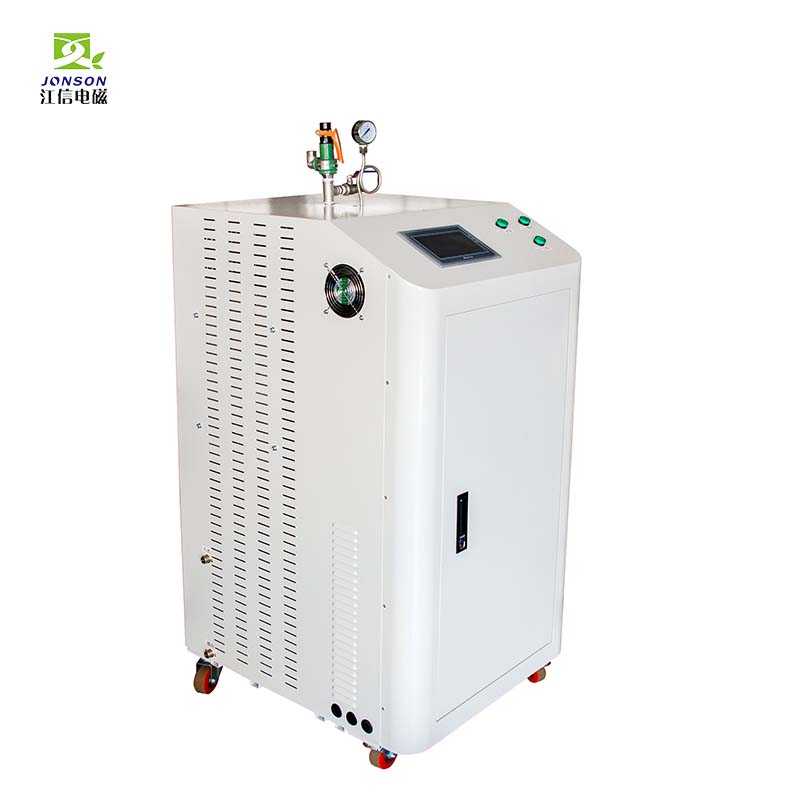
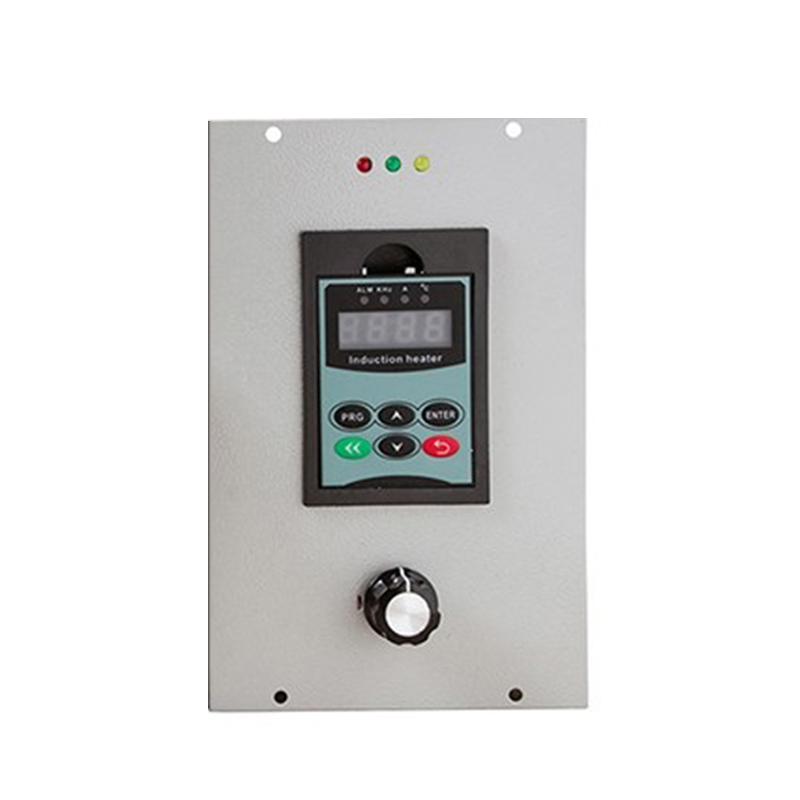
Detailed explanation of power and electricity demand of induction steam generator
——Choosing the right power is essential for both energy efficiency and usability
Many users will ask the first sentence when choosing an induction steam generator:
How many kilowatts is this device? Does it cost electricity
But in reality, power ≠ actual electricity consumption.
If you only look at the rated power, it's easy to choose too much and waste money, and choosing too little is not enough.
This article will explain the power, electricity demand, and selection logic of the electromagnetic steam generator in simple and understandable language.
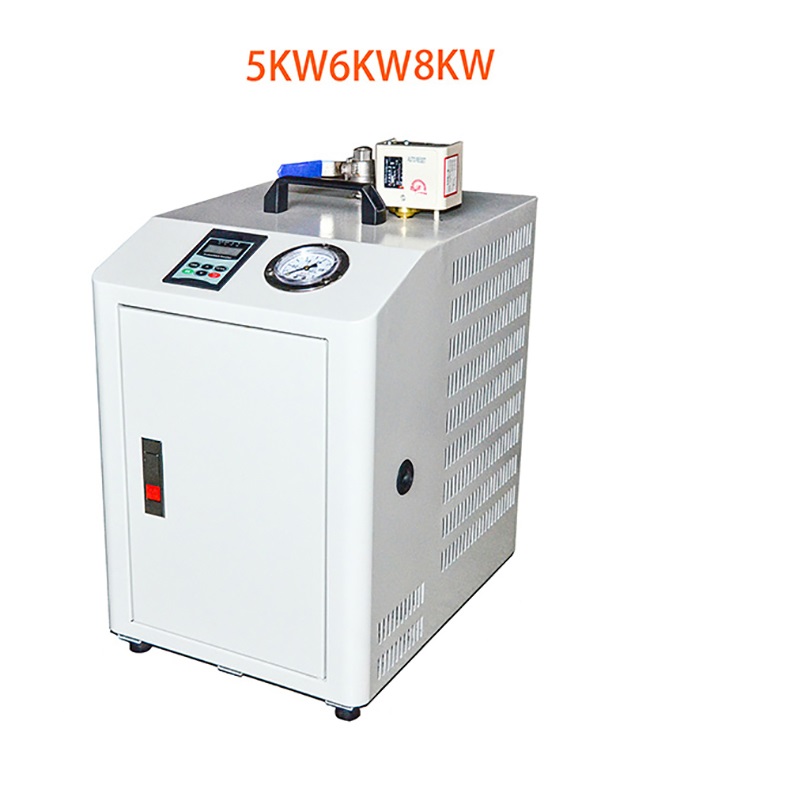
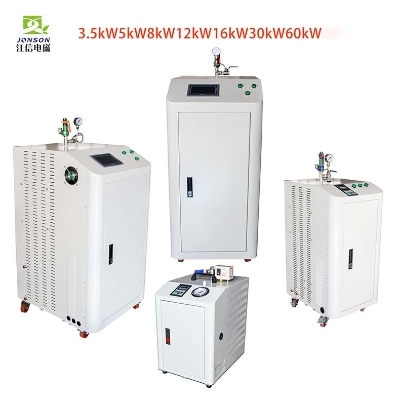
1、 First, let's understand: What does the "power" of an induction steam generator refer to?
The power indicated on the induction steam generator generally refers to:
Maximum input power of the equipment at full load operation (kW)
Let me give you a simple example:
36kW 48kW 72kW 120kW
These numbers are not the amount of electricity used all the time, but 'the maximum amount that can be used'.
Just like an air conditioner, you buy 2 horsepower, but it doesn't run at full power 24 hours a day
The same logic applies to induction steam generators.
2、 What is the relationship between power and steam volume?
The core purpose of an induction steam generator is only one:
Turn electricity into steam
Under normal operating conditions, there is a very practical reference formula:
1 ton of steam ≈ 700-750 kWh of electricity
Converted to common small devices, the approximate relationship is:
36kW → approximately 50kg/h steam
48kW → approximately 70kg/h steam
72kW → approximately 100kg/h steam
120kW → approximately 160-180kg/h steam
The actual values may vary slightly due to water temperature, pressure, and control methods, but this range is very close to the actual usage situation.
3、 Why does' high power 'not mean' more electricity consumption '?
This is the most easily misunderstood point by many users.
1. Induction steam generator is "on-demand electricity"
Nowadays, mainstream induction steam generators are equipped with variable frequency power regulation, multi speed power output, and automatic pressure/steam volume matching
in other words:
Use as much power as you need steam
It's not about running at full power as soon as you turn it on.
2. Actual electricity consumption ≠ nominal power × time
Give a real usage scenario:
Rated power of equipment: 72kW
In actual production:
Heating stage: 72kW
Stable operation: 40-50 kW
Intermittent insulation: 20-30 kW
On average, it may only use about 60% of the rated power
That's also why many users find that after installing:
The electricity bill is not as high as expected.
4、 How much electricity is needed in a day? This is the clearest way to calculate
Let's use a simple example to calculate:
Assumption conditions:
Steam demand: 100kg/h
Corresponding device power: approximately 72kW
Daily operation: 8 hours
Calculation method:
Theoretical power consumption: 72 × 8=576 kWh
Actual operation (considering frequency conversion):
Calculated based on 65% power
Actual power consumption ≈ 375 kWh/day
If the electricity price is calculated at 1 yuan/kWh:
The daily electricity bill is about 375 yuan
This data is very close to the actual feedback from a large number of factories.
5、 Is the electricity consumption higher compared to gas boilers and ordinary electric boilers?
Let's directly state the conclusion, which is more intuitive
Compare gas boilers
Gas is cheap, but it has low thermal efficiency, slow start stop, and high labor, annual inspection, and maintenance costs
The overall cost may not necessarily be low
Comparison of Resistance Electric Boilers
Surface power approaching
But: slow heating, severe scaling, and a significant decrease in efficiency in the later stage
With the same steam production capacity, induction steam generators are more energy-efficient
6、 How to choose power? Remember these 4 key points
Choose power, don't beat your head, follow these steps:
1. Check how much steam is needed per hour
This is the first core data.
2. Check if there is continuous use of steam
Continuous production → power can be slightly reduced
Intermittent, fluctuating → Power margin should be left
3. Does it support variable frequency power adjustment
Without frequency conversion, it is not recommended to choose
4. Leave a margin of 10% -20%
It is neither wasteful nor laborious.
7、 In summary, I'll give you a peace of mind
The induction steam generator may appear to have a considerable power output, but its actual electricity usage is "on-demand output". As long as the selection is reasonable, the electricity cost is completely controllable and even more cost-effective than traditional solutions.
If you are considering:
How much power does the equipment require
Is the power capacity sufficient
How much is the monthly electricity bill
Tell me your steam requirements, and I can directly help you calculate a "realistic and feasible" solution.
This step can often help you save tens of thousands of unnecessary expenses.