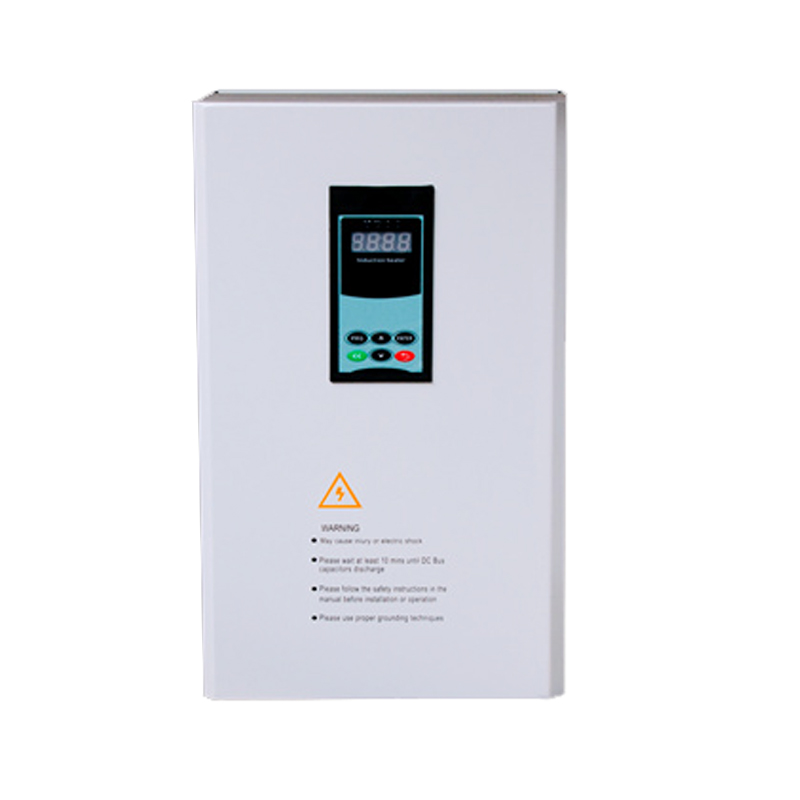
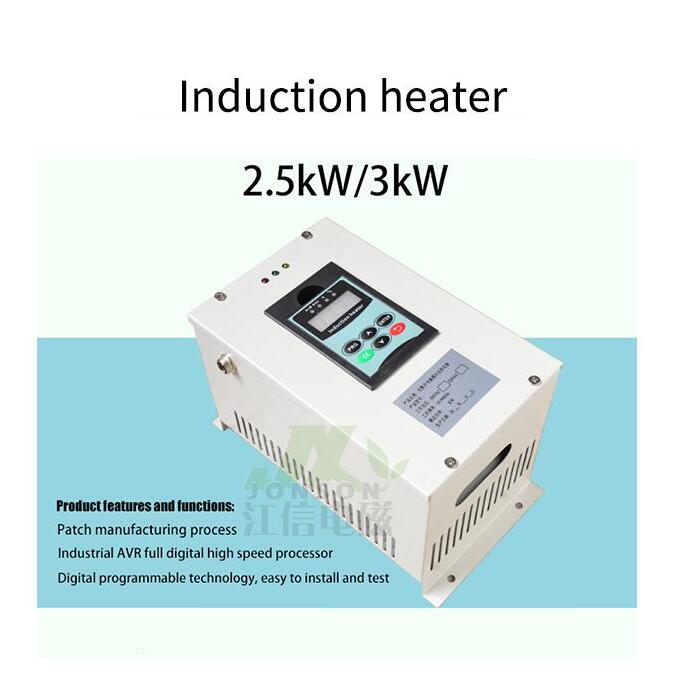
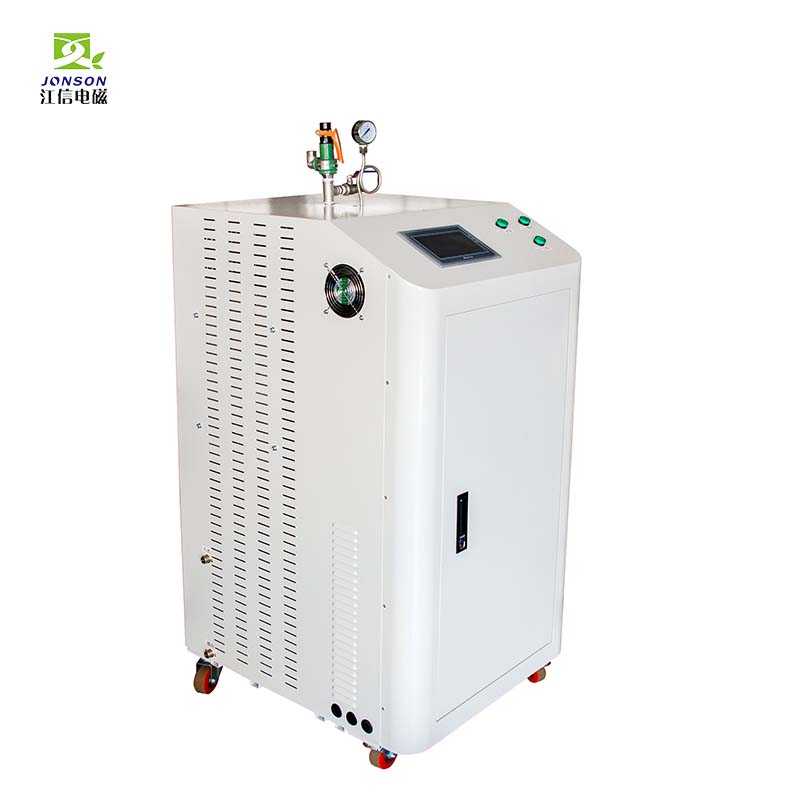
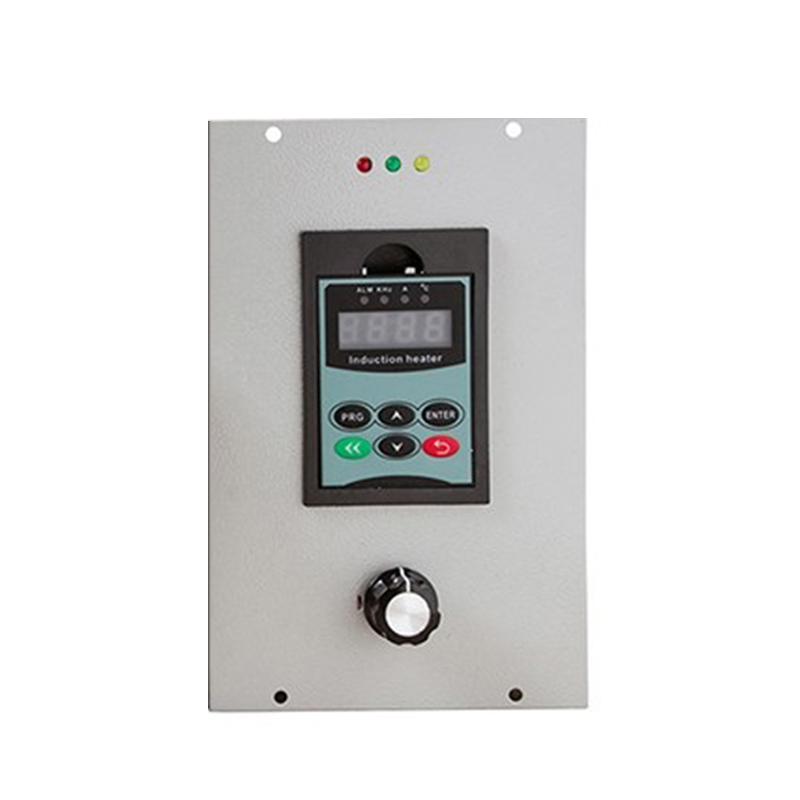
Efficient and safe pipeline heating solution
Introduction: Why is traditional piping heating becoming increasingly unsuitable for modern factories?
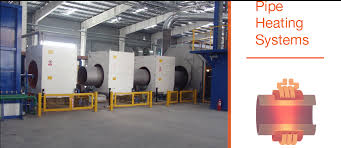
Pipelines are found almost everywhere in the oil, gas, chemical, pharmaceutical and plastics industries.
However, pipe welding, tube formation, heat transfer and welding heat treatment impose very high heating requirements:
The temperature should be homogeneous, controllable and safe and operate consistently over the long term.
In fact, many factories still use traditional resistance or infrared heating and often face the following problems:
The pipeline was not uneven, and the welding quality was not unstable
Operating costs continue to rise
Fragile and harmful heating elements Maintenance
The security risks at the site and administrative pressures were high
In this context, tube sensor heating systems have become a preferred option for a growing number of companies.
What is the induction tube heating system
TIPS is a technical program for non-adhesive heating of metal tubes using the principle of electromagnetic sensing.
When electricity is passed through induction circuits, inductive flow (turbines) is generated on the surface of the tubes, where heat is generated directly from inside the tubes rather than from a reliance on external transport.
This heating method is particularly suitable for:
Pre weld/post weld heat treatment
Welding of large diameter pipelines
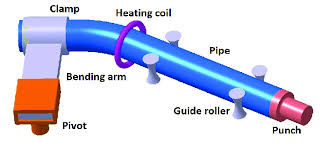
Pipe bending forming
Thermal insulation for transportation of petroleum, natural gas, and chemical media
The system can be flexibly integrated into existing pipeline networks without the need for large-scale on-site modifications.
The core advantages of pipeline induction heating
1. Circular uniform heating ensures more reliable welding quality
Unlike traditional heating methods that are difficult to control local temperature, pipeline induction heaters can achieve 360 ° circular uniform heating, effectively reducing temperature fluctuations on the outer wall of the pipeline.
This is particularly crucial for welding processes:
Reduce stress concentration in weld seams
Improve the mechanical properties of welded joints
Reduce rework and quality hazards
2. Lower power demand, higher energy efficiency performance
In the welding of large diameter pipelines, traditional resistance heating often requires up to 90 kW or even higher power and suffers from severe heat loss.
In contrast, induction heating:
Heat directly acts on the pipeline body
Faster heating and higher thermal efficiency
Significantly reduce ineffective energy consumption
This not only saves electricity costs, but also reduces long-term operating costs.
3.Increased stability of operations control processes and reduced equipment risks
Once conventional heating elements are burned, welding areas become the weakest in the pipes.
Pipe sensing heating system
Not directly connected heating element
Temperature response speed, control accuracy high
Long-term stable and reliable operation
It is particularly proportional to the continuous production and high level of security.
4.Safety, cleaning, easy automation
Compared with open flame or far-infrared heating, induction heating has significant advantages:
No open flames, no combustion
Controllable surface temperature rise, higher safety
Easy to integrate with automation control systems
This makes it very suitable for modern and intelligent factories.
Typical application industries of pipeline induction heating
Oil and gas transmission pipelines
Chemical and pharmaceutical process pipelines
PVC and plastic processing equipment
Pipeline manufacturing and on-site welding engineering
Whether it is single section pipeline heating or insulation control of the entire pipeline network, induction heating systems can provide reliable support.
Precautions for using pipeline induction heating system
To ensure long-term stable operation of the system, it is recommended to pay attention to the following points:
It is strictly prohibited to disconnect the grounding wire of the equipment to ensure safe operation
Regularly check the cooling fan and air inlet to prevent overheating and shutdown
Regularly clean the heat sink to ensure good ventilation and sensing efficiency
High quality system design and standardized maintenance are key to stable operation.
Flexible installation with a variety of channels
The pipeline induction heater adopts a flexible heating cable design, which can be easily wrapped around pipes of different diameters:
Quick installation
Strong adaptability
Easy to maintain
Make induction heating truly applicable in more pipeline applications.
Summary: Why are more and more companies choosing pipeline induction heating?
The pipeline induction heating system is not only an upgrade of heating methods, but also a comprehensive improvement of safety, efficiency, and process stability.
It is gradually replacing traditional heating methods and becoming the mainstream choice in the fields of pipeline welding and temperature control.
If you are looking for a more efficient, safe, and controllable pipeline heating solution, pipeline induction heating is worth considering seriously.
Welcome to contact us for pipeline induction heating solutions and technical advice tailored to your actual working conditions.