Detailed explanation of the structure with separated water and electricity: Why are electromagnetic hot water boilers safer and more reliable?
In industrial production, hotels, hospitals, schools, and centralized heating systems, the safety of hot water boilers has always been the top priority in the procurement and usage process.
However, for a long time, many traditional resistance-type hot water boilers have a "structure with mixed water and electricity", posing non-negligible safety hazards, and accidents such as electric leakage, short circuits, and equipment burnout occur frequently.
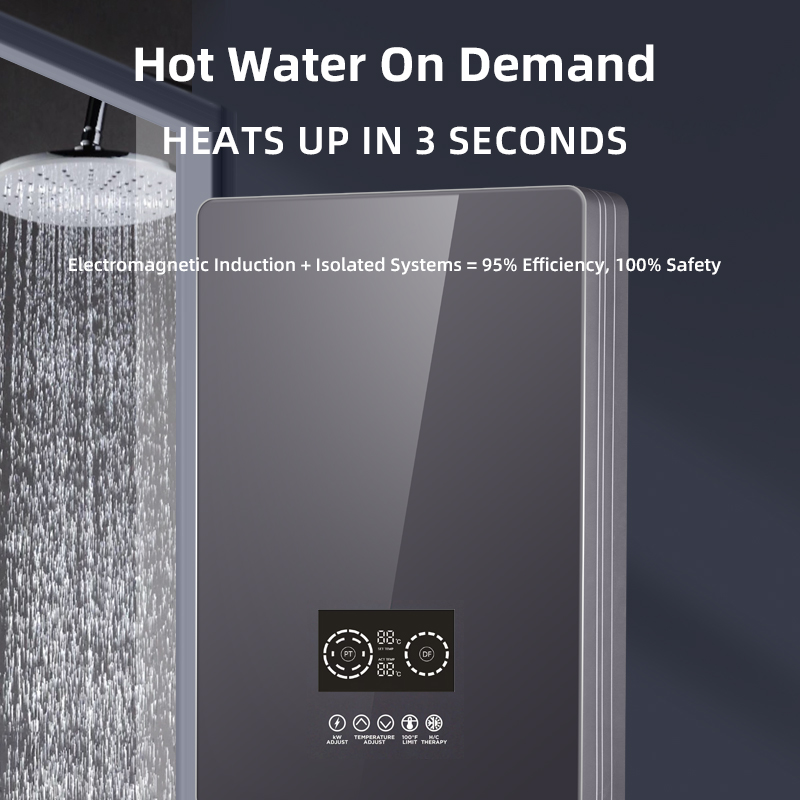
As the safety standards for electricity usage continue to improve, a new type of equipment centered on a structure that completely separates water and electricity - the electromagnetic hot water boiler - is becoming an important direction for industry upgrading.
This article systematically explains the technical principle of the structure with separated water and electricity and elaborates on why this structure can comprehensively improve the safety and reliability of electromagnetic hot water boilers.
I. Core safety hazards of traditional hot water boilers: Contact between water and electricity
1. Structural defects
The heating tubes of traditional resistance-type boilers operate while being immersed in water for a long time, creating an operating environment where electrical components are in direct contact with water. Once the following situations occur:
Insulation aging
Seal damage
Corrosion due to water quality
Scale accumulation
It may lead to electric leakage, short circuits, and electric shock accidents.
2. Risks are inevitable
Such safety hazards are not accidental but structural defects. The longer the equipment is used, the higher the risks become.
II. The technical essence of the structure with separated water and electricity
Separating water and electricity is not just a matter of insulation treatment; it is fundamentally changing the heating method from the structural design level of the equipment.
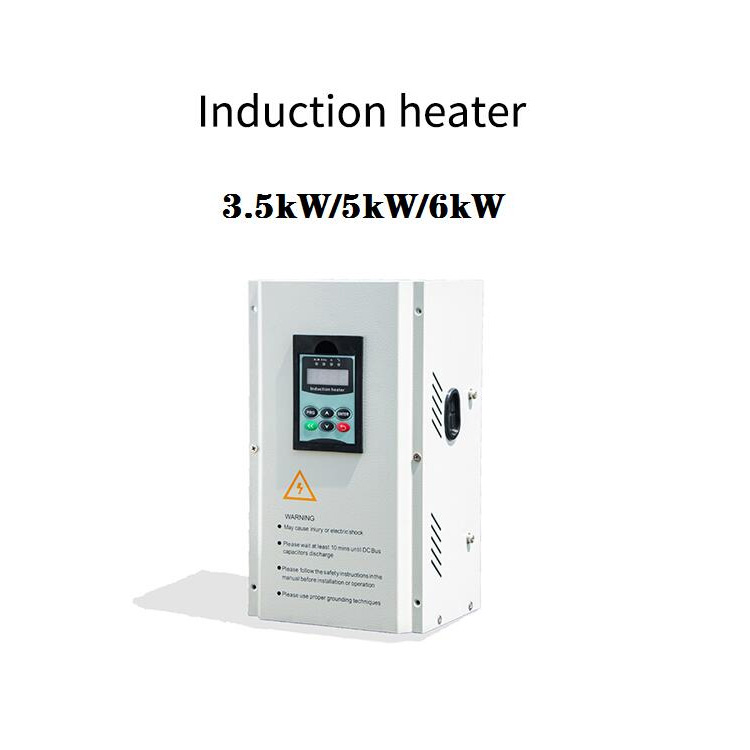
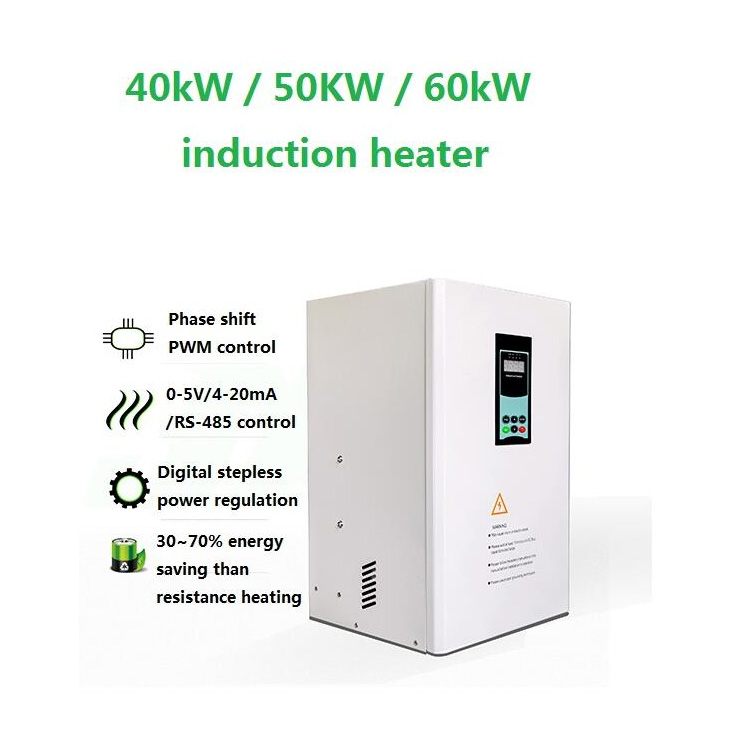
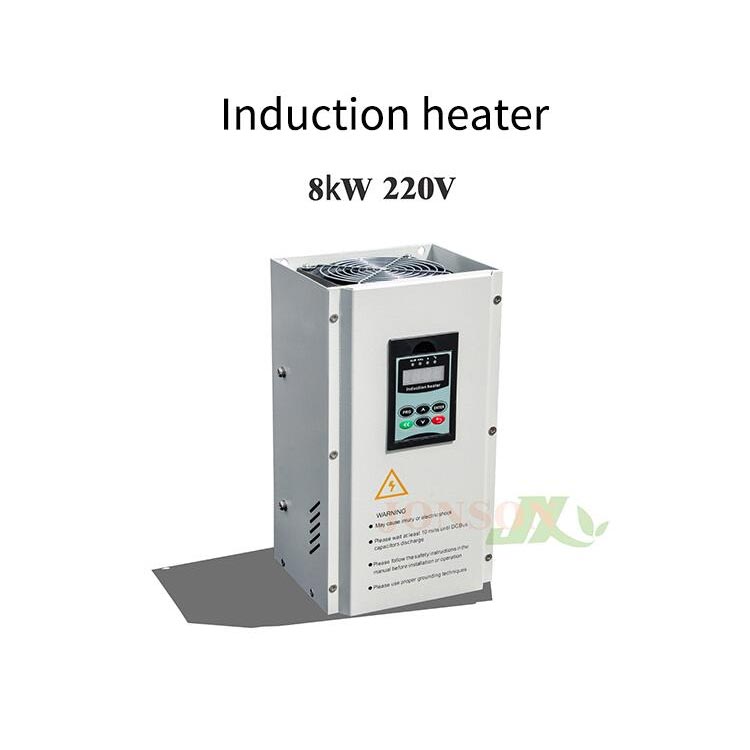
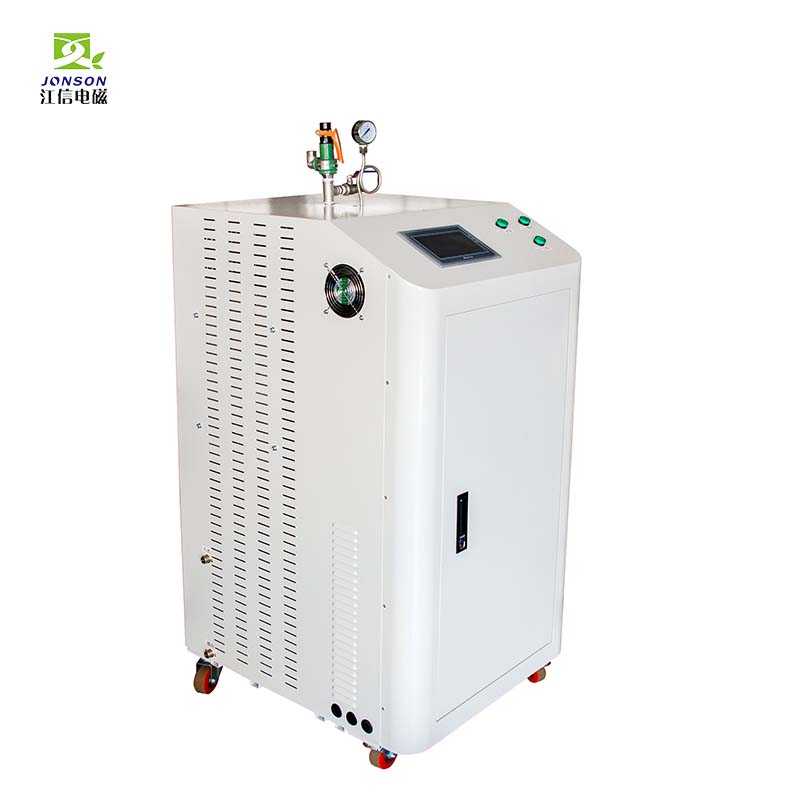
The core structure of an electromagnetic hot water boiler
The induction coil is on the outside
The metal heating cavity is in the middle
Water is on the inside
The electrical system and the water system are completely isolated
Electrical energy → Electromagnetic field → The metal itself generates heat → Heating the water
Throughout the heating process, electrical components do not come into contact with water.
III. How does separating water and electricity achieve higher safety?
1. Eliminate the risk of electric leakage at the source
Since there are no heating tubes and the electrodes are not immersed in water, there is no path for electric leakage.
2. Eliminate the hidden danger of short circuits
The electrical system and the water system operate independently and in a closed - loop manner, so problems in the water circuit will not affect electrical safety.
3. The equipment operates more stably
The coil is not affected by water corrosion or scale, maintaining a stable operating state for a long time.
4. Meet the industry requirements with high safety standards
It is particularly suitable for:
Hospitals
Schools
Hotels
Food factories
Pharmaceutical factories
These places with extremely high safety requirements.
IV. Added value due to high safety and reliability
1. The service life of the equipment is significantly extended
Since the important components of the electromagnetic boiler do not come into contact with water, their service life generally reaches over 10 years.
2. It operates almost maintenance - free
There is no need to replace heating tubes or frequently remove scale, resulting in extremely low operating costs.
3. The stability of the system is continuously maintained
Even if the water quality is poor or scale accumulates, it will not break down frequently.
V. Comparison summary
Item Traditional resistance - type boiler Electromagnetic hot water boiler
Relationship between water and electricity Direct contact between water and electricity Complete separation of water and electricity
Risk of electric leakage High Almost zero
Probability of short circuit High Extremely low
Service life 2 - 3 years Over 10 years
Operating cost High Extremely low
System stability Prone to decline Stable for a long time
Conclusion
Currently, in an environment where safety regulations are becoming more and more stringent and corporate safety responsibilities are increasing,
Safety is no longer an added value but a basic requirement.
The electromagnetic hot water boiler has fundamentally reconstructed the safety logic of hot water equipment with its structure that separates water and electricity.
It is safer, more stable, more reassuring, and more durable.
This is the core reason why the electromagnetic hot water boiler is becoming the mainstream option for future hot water systems.