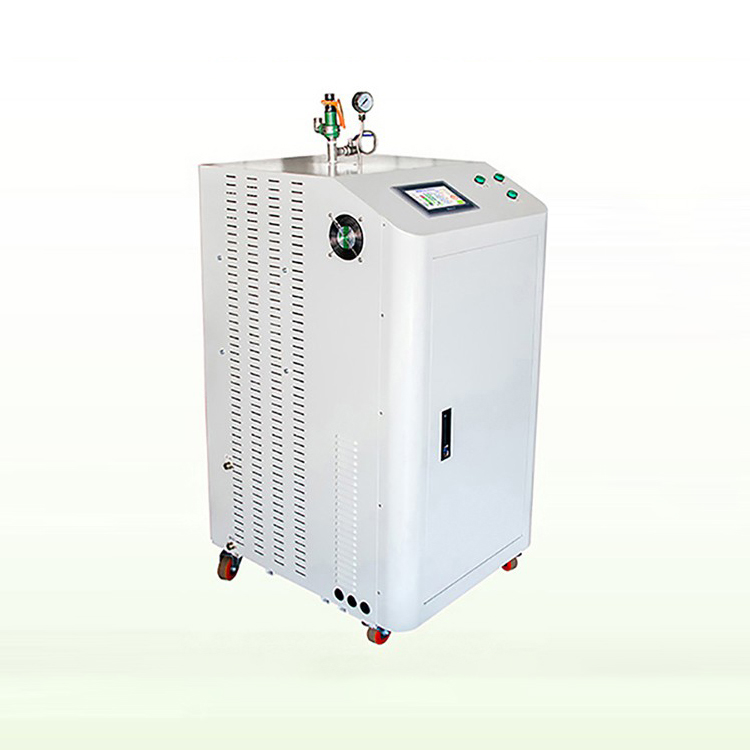
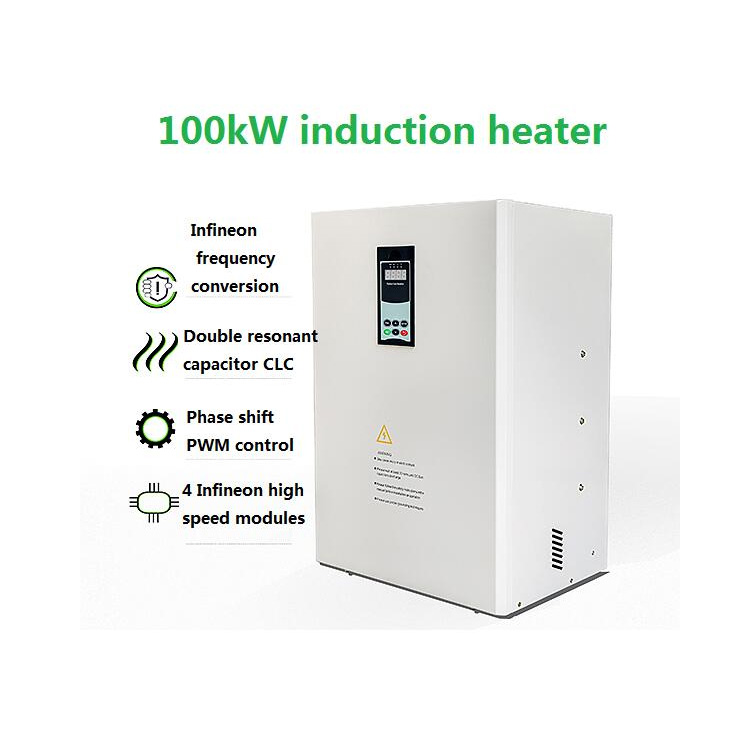
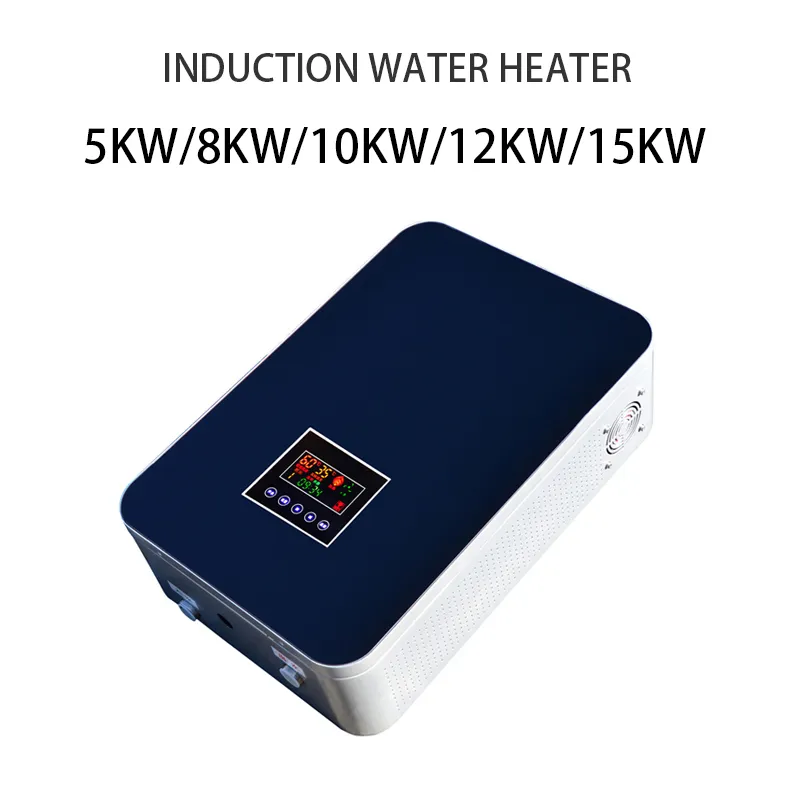
Five major problems of traditional resistance-type hot water boilers and how induction heating solves them?
In industrial production, centralized heating, hotels, hospitals, and various commercial facilities, hot water systems are almost essential needs.
For a long time, traditional resistance-type hot water boilers have dominated the market. However, with the rising energy costs, the improvement of electrical safety standards, and the refinement of equipment management, more and more enterprises have realized the following:
It is becoming increasingly difficult for resistance-type boilers to meet the modern requirements of energy conservation, safety, and intelligent operation.
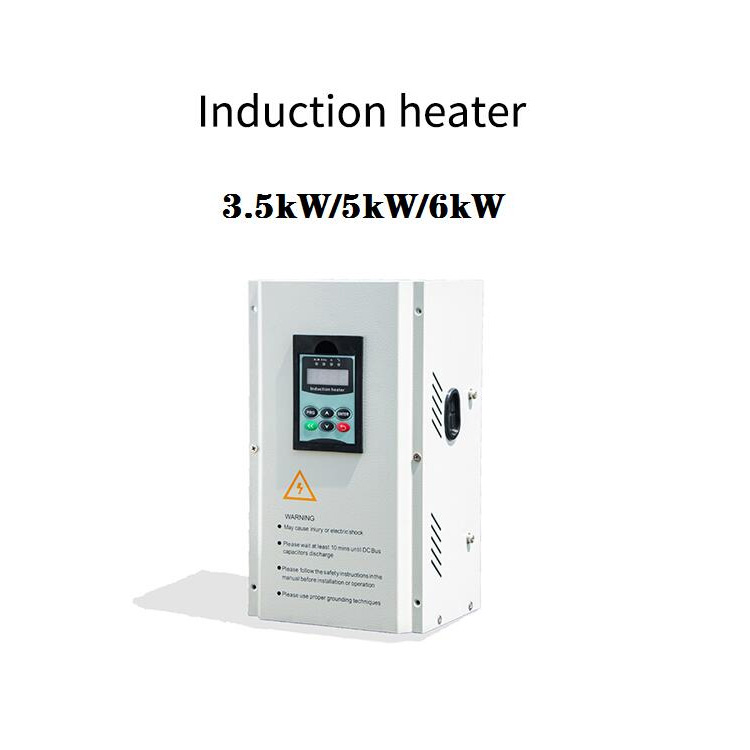
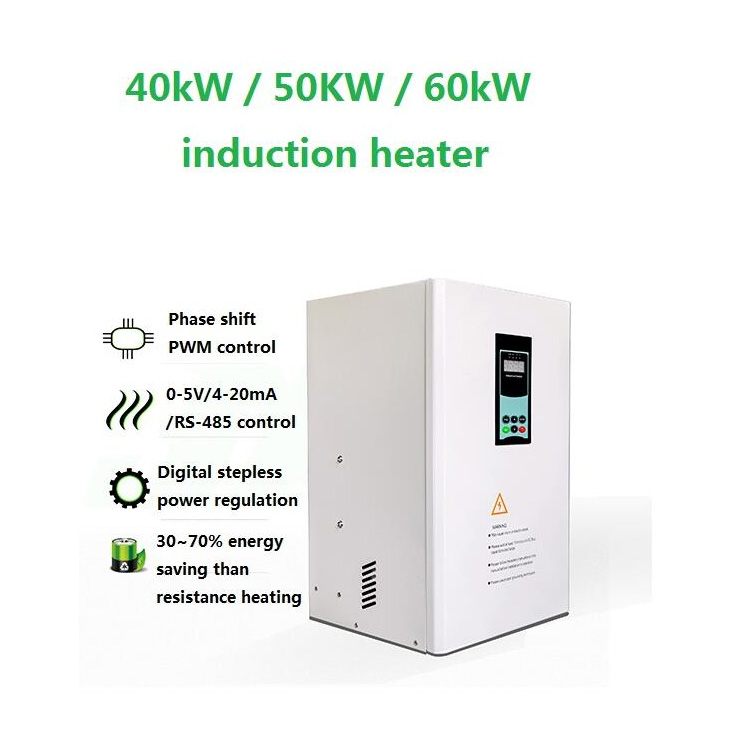
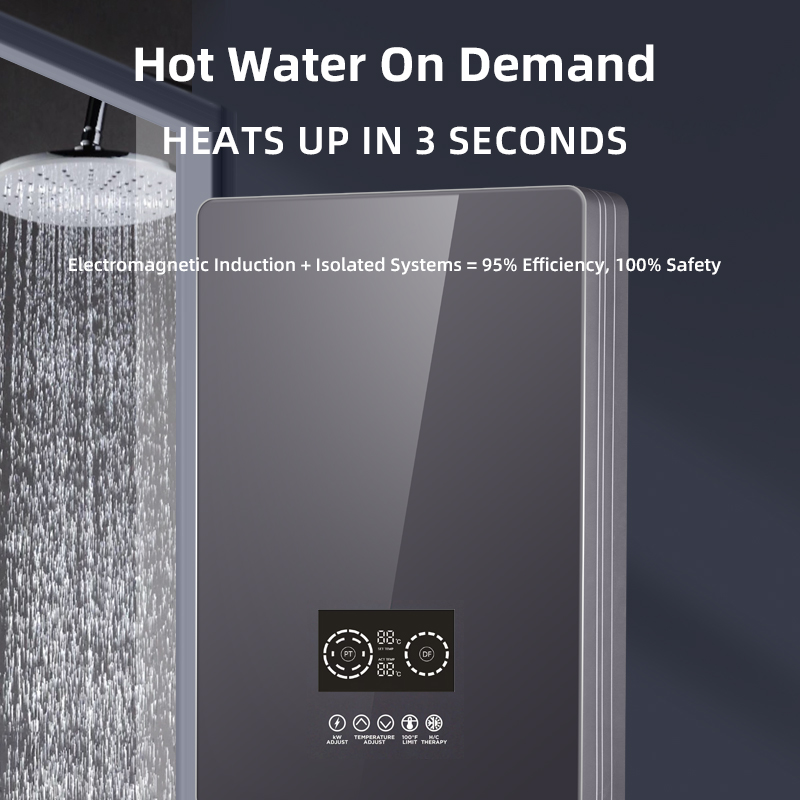
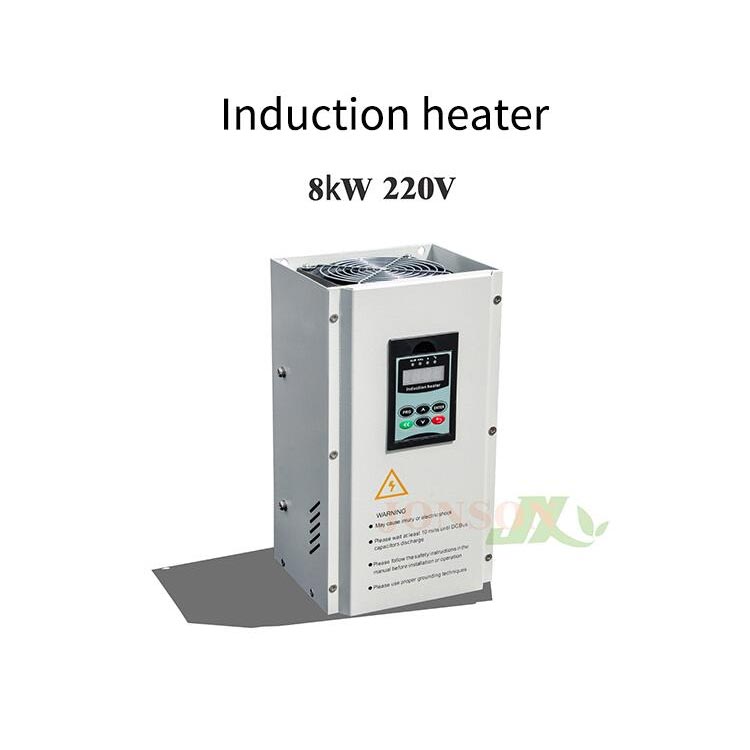
On the other hand, induction heating hot water boilers are becoming the core solution for industry upgrades.
Below, based on actual usage, we will systematically organize the five core problems of traditional resistance-type boilers and how induction heating solves these problems.
I. Problem 1: Low thermal efficiency and high electricity bills
Problems with traditional resistance-type boilers
Resistance heating is an indirect heating method.
Electrical energy → Resistance wire generates heat → Heat is transferred to water
There is obvious energy loss in this process. The overall thermal efficiency is generally only 85% - 90%, and the long - term electricity expenditure is quite large.
Solutions of induction heating
Induction heating is a direct heating method.
Electrical energy → Induction magnetic field → Metal itself generates heat → Directly heats water
There is no loss of intermediate media, and the thermal efficiency can stably reach over 98%.
Under the condition of producing the same amount of heat, the actual operating power consumption generally decreases by 20% - 30%.
II. Problem 2: High safety risks and high risk of water - electricity contact
Problems with traditional resistance-type boilers
Since the resistance wire operates in water for a long time, the following situations may occur:
Insulation aging
Scale adhesion
Poor sealing
The risks of electric leakage, short - circuit, and electric shock are very high, making it high - risk equipment.
Solutions of induction heating
Induction heating boilers adopt a structure that completely separates water and electricity.
The coil is on the outside
Water is on the inside
Electrical components do not come into direct contact with water
Structurally, the risk of electric leakage is completely eliminated, and the safety level is greatly improved. It is particularly suitable for places with high safety standards such as hotels, hospitals, and schools.
III. Problem 3: Severe scaling and high maintenance costs
Problems with traditional resistance-type boilers
When the surface of the resistor operates at high temperatures, the following problems are likely to occur:
Rapid scale deposition
Reduced heat conduction efficiency
Shortened lifespan of the resistance wire
Frequent replacement of heating tubes
High maintenance costs and large losses due to shutdowns.
Solutions of induction heating
Induction heating causes the entire metal wall to generate heat uniformly.
There are no local high - temperature points
Scale formation is significantly reduced
Heat transfer efficiency remains stable for a long time
The equipment is almost maintenance - free, greatly reducing the later operation and maintenance costs.
IV. Problem 4: Short lifespan and low equipment stability
Problems with traditional resistance-type boilers
Since the resistance wire is exposed to high temperatures and water corrosion for a long time, its average lifespan is only 2 - 3 years, and frequent equipment replacement has become a common occurrence.
Solutions of induction heating
The core components of induction heating boilers are:
The coil does not come into direct contact with water
The heating element is an integrated metal structure
The service life generally reaches over 10 years, and the system stability is significantly improved.
V. Problem 5: Low level of intelligentization and poor management efficiency
Problems with traditional resistance-type boilers
The control of the conventional system is simple and lacks the following functions:
High - precision temperature control
Remote monitoring
Intelligent load management
Operation management completely depends on human experience.
Solutions of induction heating
Modern induction heating boilers integrate the following functions:
Intelligent temperature control system
Remote monitoring platform
Power adjustment for each zone
Real - time statistics of energy consumption
It realizes true intelligent hot water system management.
Summary: Solve five problems with one upgrade
Comparison items Traditional resistance-type boilers Induction heating boilers
Thermal efficiency 85% - 90% ≥98%
Safety Water and electricity contact Water and electricity are separated
Maintenance cost High Extremely low
Service life 2 - 3 years Over 10 years
Intelligentization Low High
Summary
Today, with rising energy costs and stricter safety regulations,
Continuing to use traditional resistance-type hot water boilers is no longer the optimal choice.
Induction heating hot water boilers are not just an upgrade of equipment but an upgrade of the enterprise's operation model.
Power saving, peace of mind, reduced maintenance, improved safety, and strengthened management.
This is the fundamental reason why induction heating is rapidly replacing traditional resistance-type boilers.