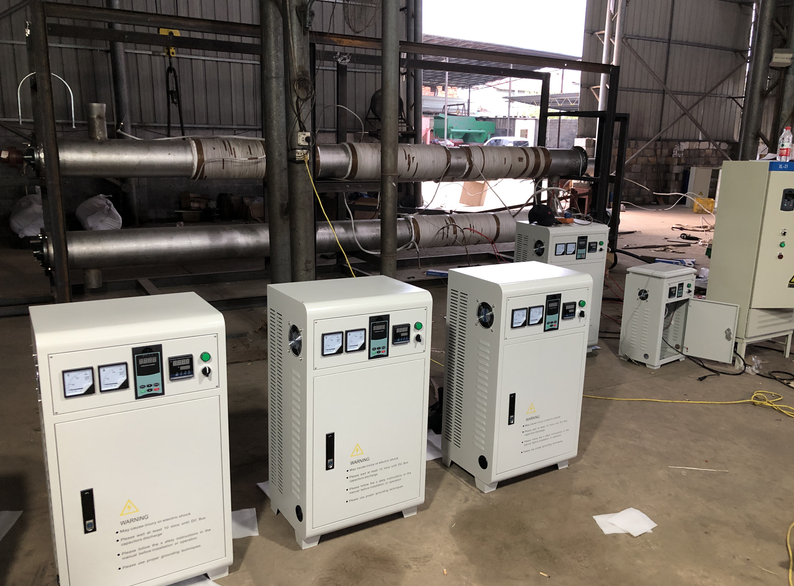
Explanation of the structure of industrial induction heating systems:
By understanding the principle and selecting appropriate equipment, you can easily achieve energy-saving upgrades.
Currently, in the trend of energy conservation in the industrial world, many enterprises are paying attention to the "industrial induction heating system" as an efficient and environmentally friendly heating method. Especially in fields such as steam generation, plastic processing, and pipe heating, induction heating technology is gradually replacing traditional resistance heating and gas heating and becoming more and more popular.
However, many users may have questions:
"How exactly is an induction heating system structured? Is its mechanism complex?"
In fact, it's not that complex. In this article, we'll briefly explain the structure of an industrial induction heating system in easy - to - understand language.
I. What is an industrial induction heating system?
Simply put, it is a heating system that uses electromagnetic induction to make metals generate heat on their own.
Different from the traditional method of "first heating the heater and then transferring the heat", induction heating directly generates heat inside the metal. As a result, there is less heat loss, a faster heating rate, and higher efficiency. This is the core reason for energy conservation.
II. Main components of an industrial induction heating system (key points)
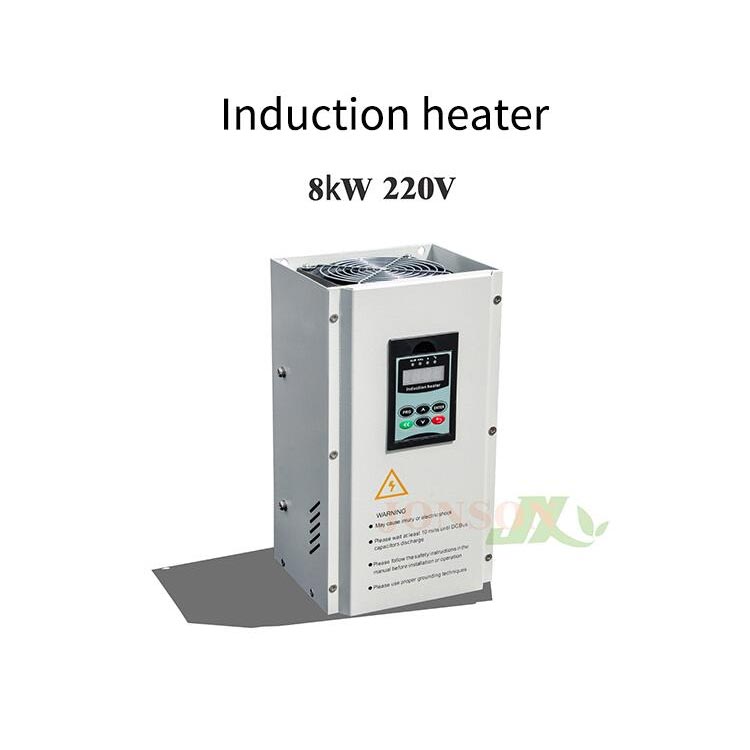
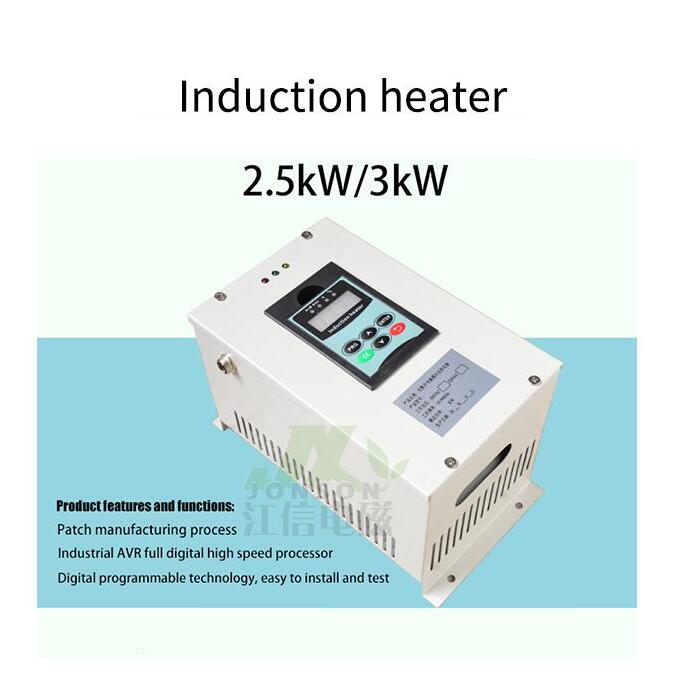
A complete industrial induction heating system is mainly composed of the following four main parts.
1. Main control power supply (the brain of the system)
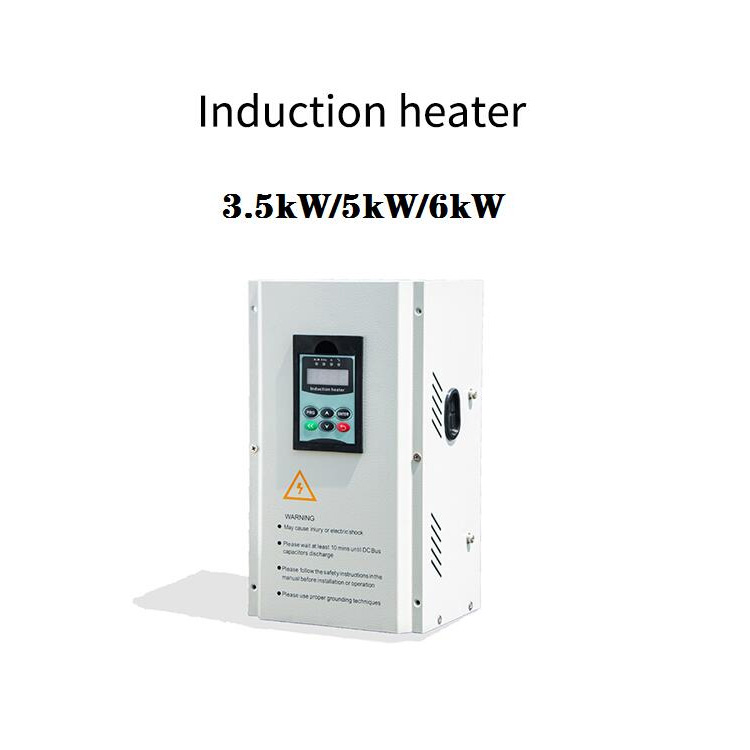
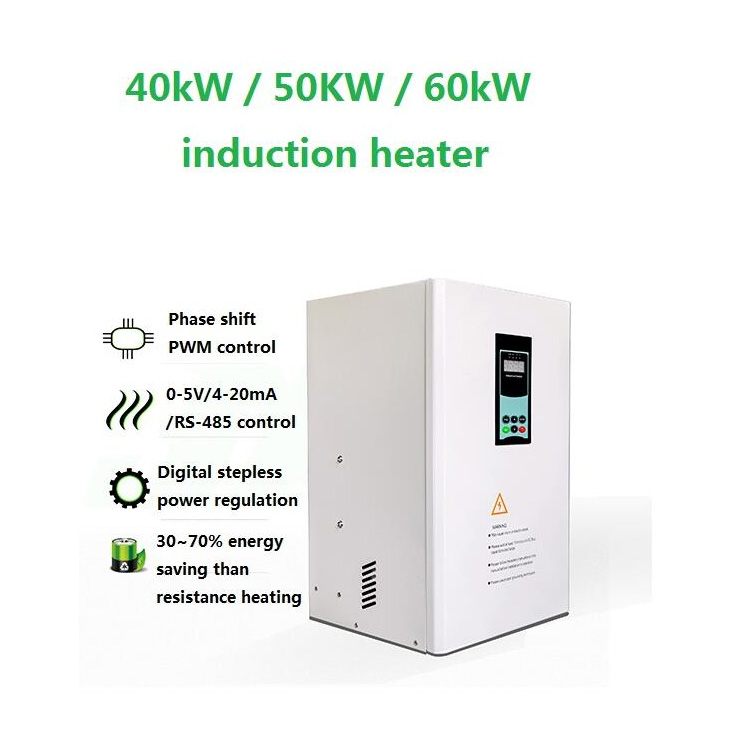
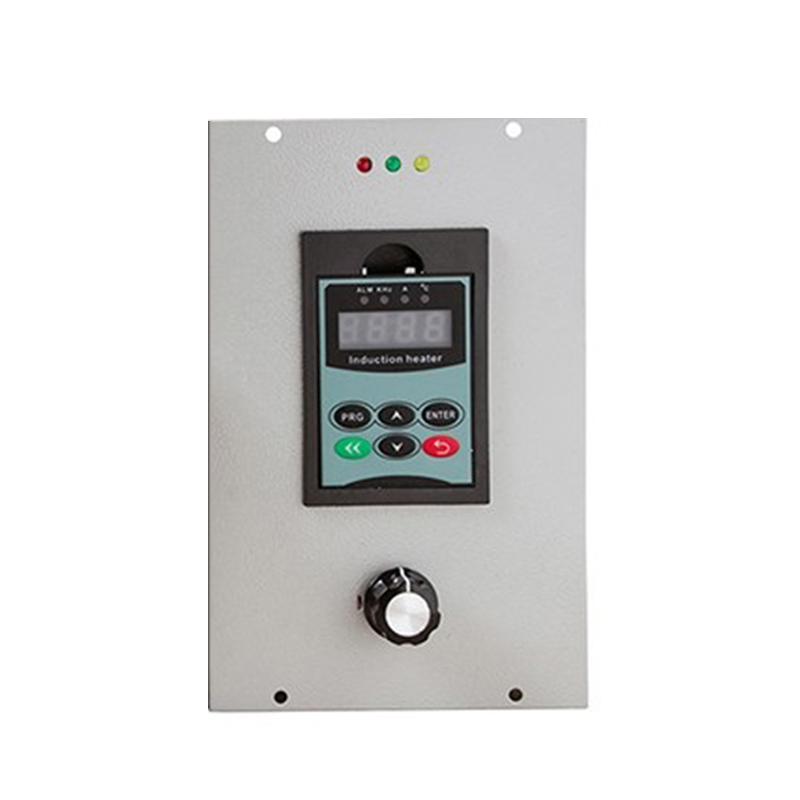
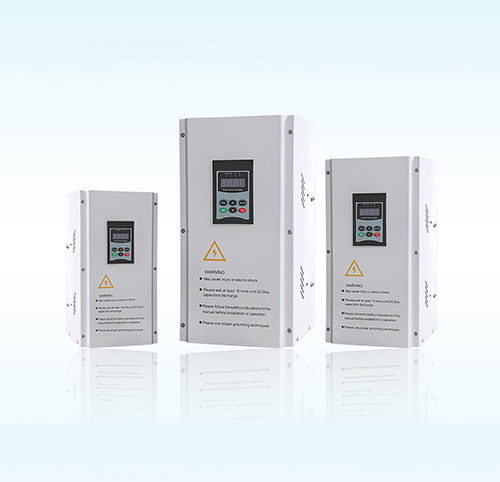
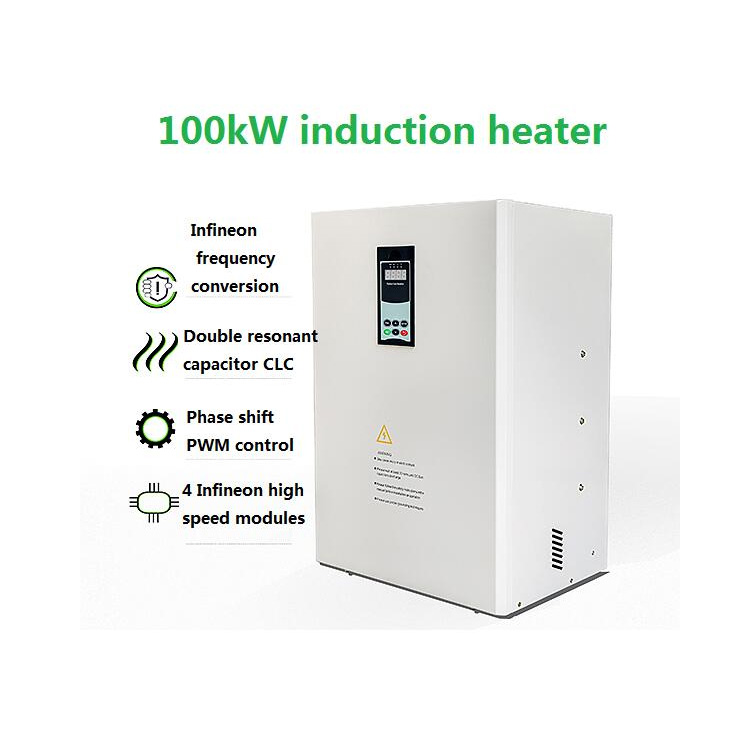
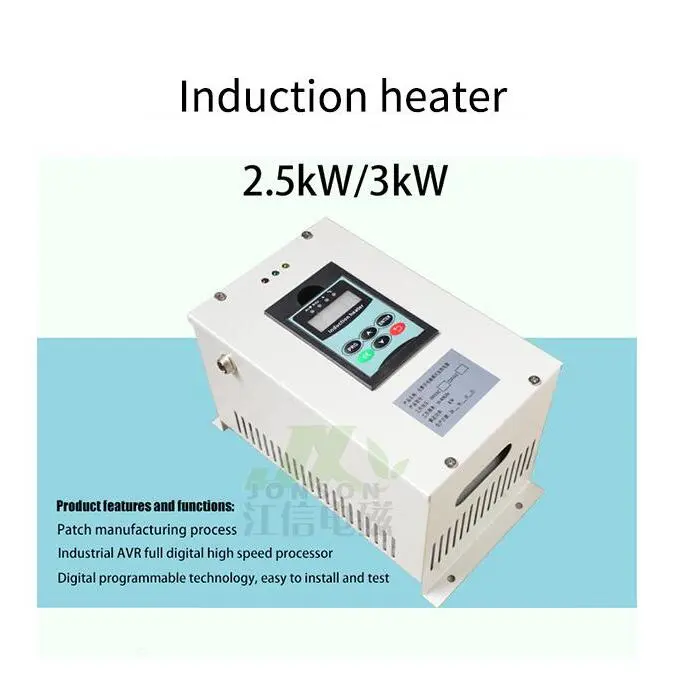
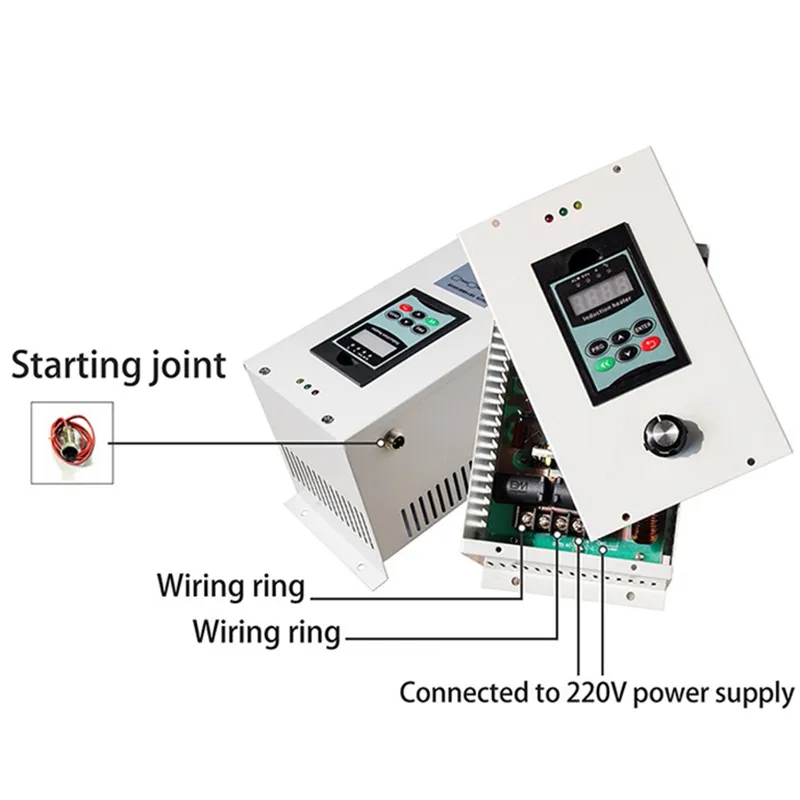
- It is the "heart" of the whole system and is responsible for converting industrial - frequency power (50Hz) into high - frequency or medium - frequency current.
- Features: Stable output, adjustable output, and intelligent control of temperature, frequency, and output are possible.
- Analogy: Just like the "processor" of a smartphone, it determines the performance of the system.
2. Induction coil (the core of energy transfer)
- It is the part that directly generates the electromagnetic field.
- It converts electrical power into electromagnetic energy and acts on metal products.
- Features: Can be customized according to the device size, installed in close contact with the heating part, and designed to be removable for easy maintenance.
- Analogy: It's like the "outer shell" of heating, but it doesn't generate heat itself; instead, it promotes the metal to generate heat.
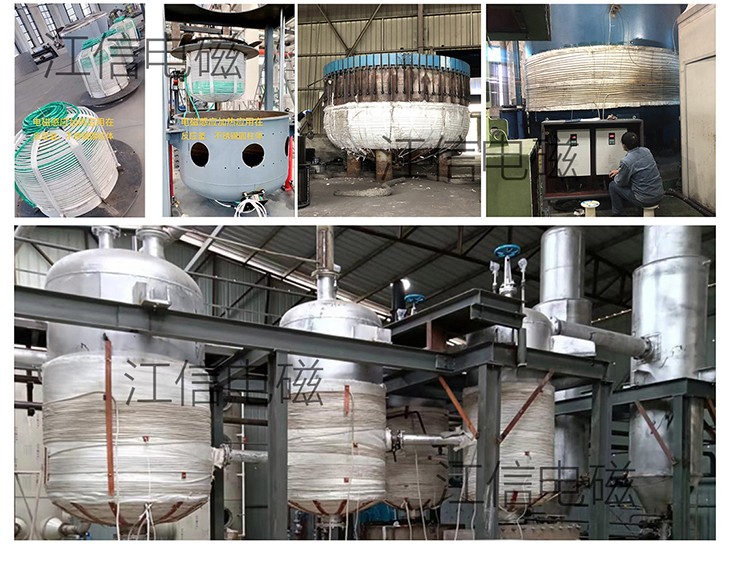
3. Heated object (metal product)
- Examples: The barrel of an injection molding machine, pipes, molds, the inner tank of a steam generator, etc.
- Under the action of the electromagnetic field, eddy currents are generated inside the metal, causing it to generate heat.
- Main advantages: It can be heated uniformly because the heat is generated from the inside, with high thermal efficiency (over 90%) and improved accuracy.
4. Insulation layer (the key to energy conservation)
- It is often overlooked but is very important.
- It prevents heat from dissipating to the outside.
- Materials used: Nano - insulation cotton, high - temperature insulation materials, etc.
- Advantages: Remarkable energy - saving effect, lower temperature at the work site, and improved safety.
III. Operating principle of the system (easy to understand at a glance)
The whole process can be summarized as follows:
Electric power → Electromagnetic field → Heat generation inside the metal → Heat retention by the insulation layer
The specific flow:
- High - frequency current is output from the power supply.
- The induction coil generates an alternating magnetic field.
- Eddy currents are generated inside the metal.
- The eddy currents are converted into thermal energy.
- The insulation layer reduces heat loss.
- There is no need for "intermediate heat transfer", and the heat utilization rate is high.
IV. Why do many factories adopt it?
Once you understand the structure, its advantages become clear:
- Obvious energy - saving effect (saving 20 - 40%)
- Because it can reduce heat loss and unnecessary heating.
- Fast heating rate
- It can start heating immediately, greatly reducing the waiting time.
- Accurate temperature control
- Ideal for precision machining and stable production.
- Low maintenance cost
- Without resistance wires or heating rings, it is less prone to failure.
- Easy to retrofit
- It can be upgraded step - by - step without replacing the whole machine.
V. Key application: Electromagnetic steam generator (highly recommended)
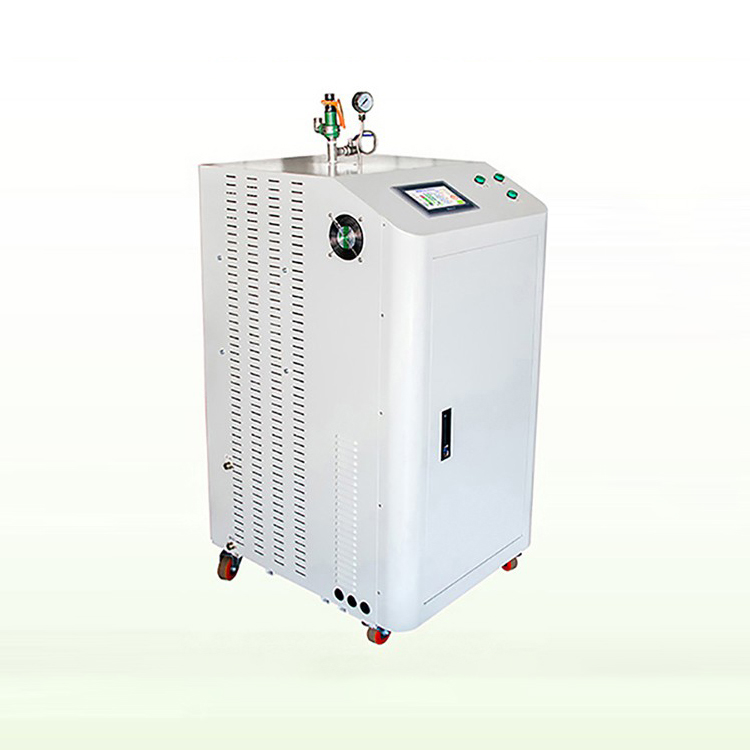
Among many applications, the electromagnetic steam generator has grown rapidly in recent years. The reason is that traditional steam devices have the following problems:
- Low thermal efficiency and high energy consumption.
- Slow startup.
On the other hand, by adopting the induction heating method:
- Steam is generated quickly.
- Thermal efficiency is improved.
- The energy - saving effect is remarkable.
- It is safer (no flame, no pressure risk).
It is especially suitable for the following applications:
Food processing
Chemical industry
Medical disinfection
Industrial cleaning
VI. Conclusion: Simple structure but of great value
At first glance, the industrial induction heating system has a simple structure and consists of the following four elements:
Power supply + Coil + Metal body + Insulation layer
However, the changes it brings are very significant, achieving the following evolutions:
From "external heating" to "internal heat generation"
From "high energy consumption" to "high efficiency"
From "traditional equipment" to a "smart and energy - saving system"
Finally (to promote conversion)
If your factory is facing the following problems, please consider it:
Rising electricity bills
Low heating efficiency of equipment
Excessively high temperature at the work site
High energy consumption of the steam system
In such cases, the industrial induction heating system, especially the electromagnetic steam generator, should be a priority for upgrade.
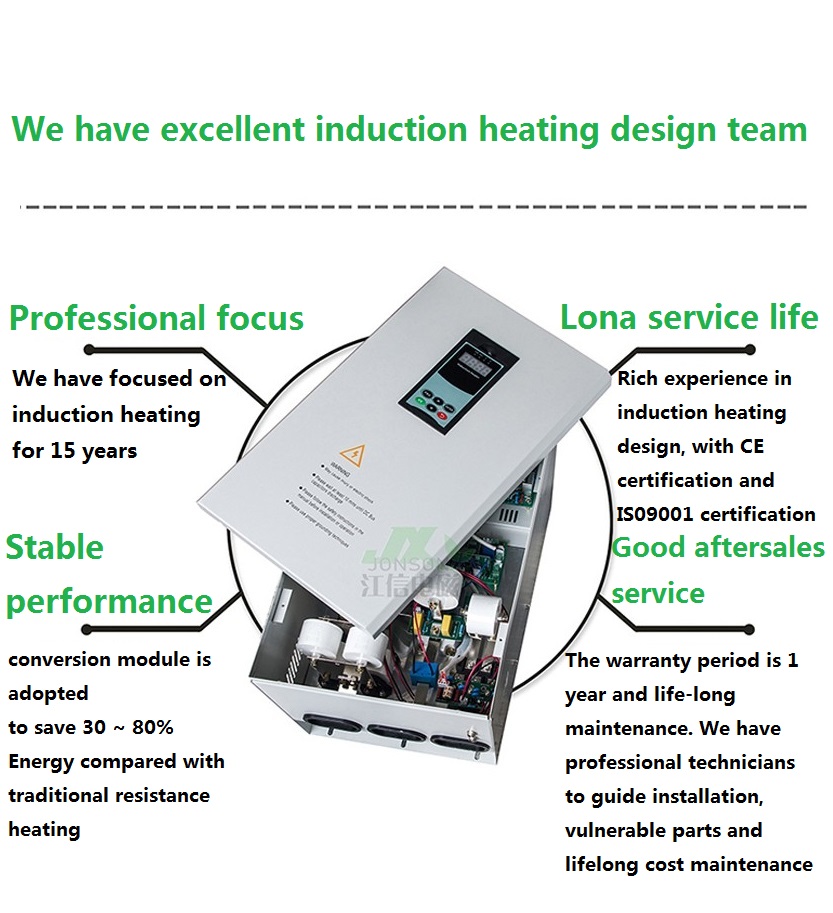
Our company has specialized in industrial electromagnetic heating technology for over 15 years and offers the following services:
Proposing induction heating retrofit plans
Customizing electromagnetic steam generators
Designing overall energy - saving systems
If you need a professional energy - saving retrofit plan, please feel free to consult us. Let's transform your equipment from an "electricity - guzzling machine" into a "profit - generating tool".