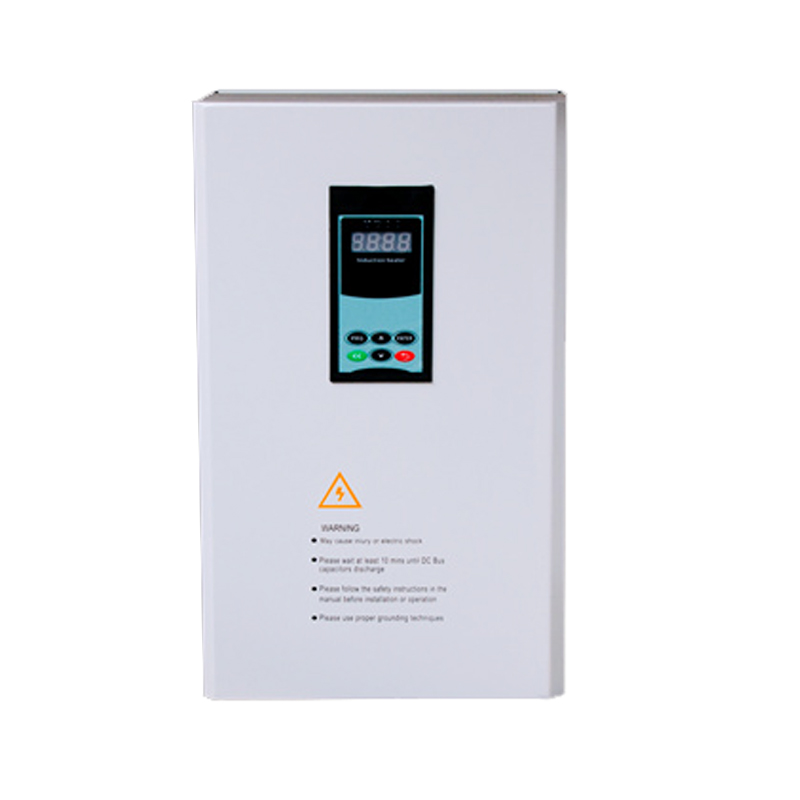
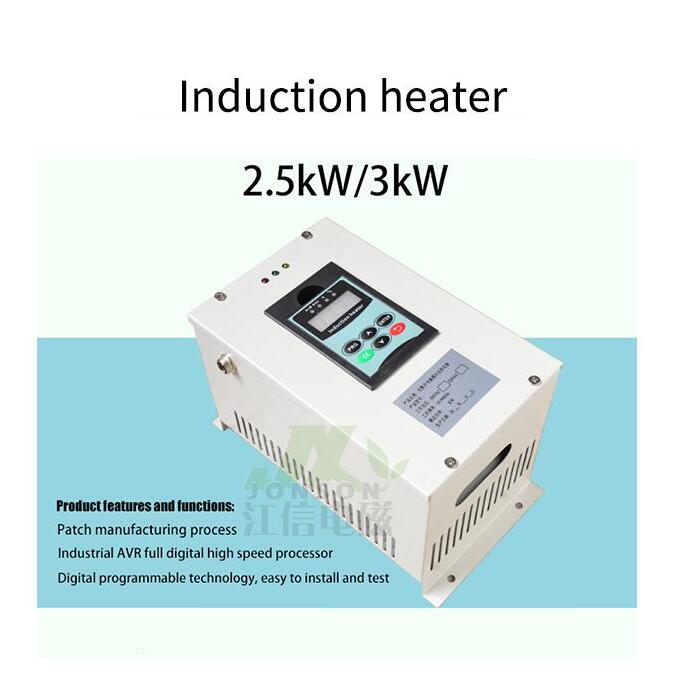
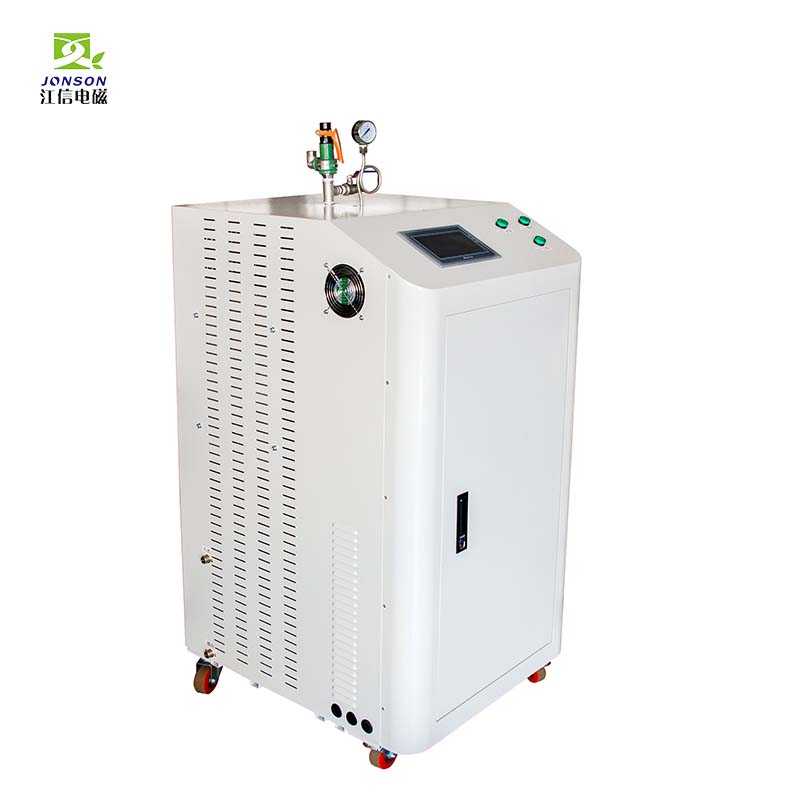
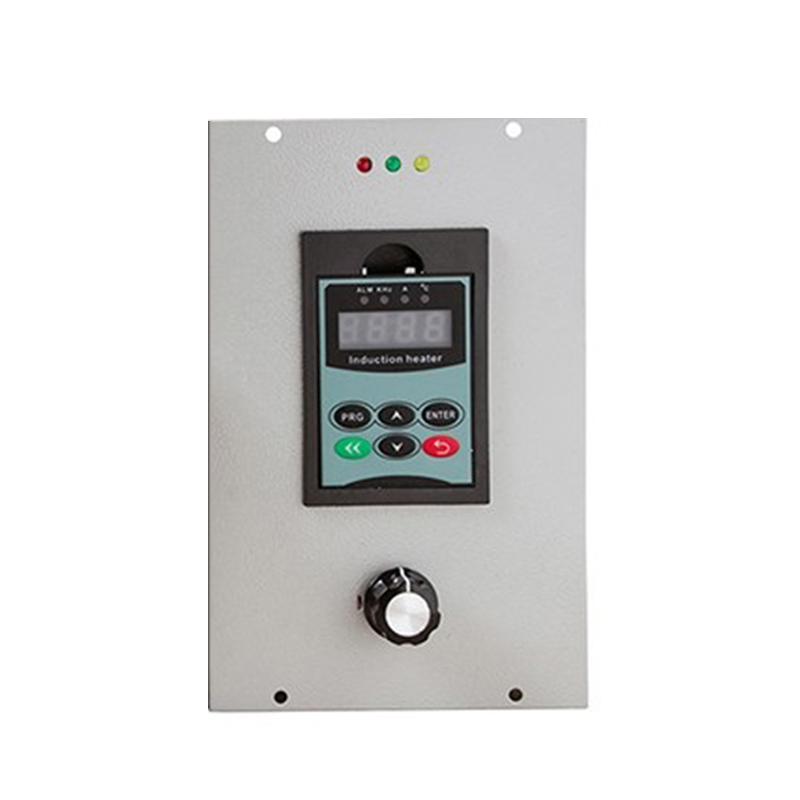
Modification of casting machine to induction heater
From "high power consumption" to "high efficiency", it is the key step to upgrade the factory to save energy
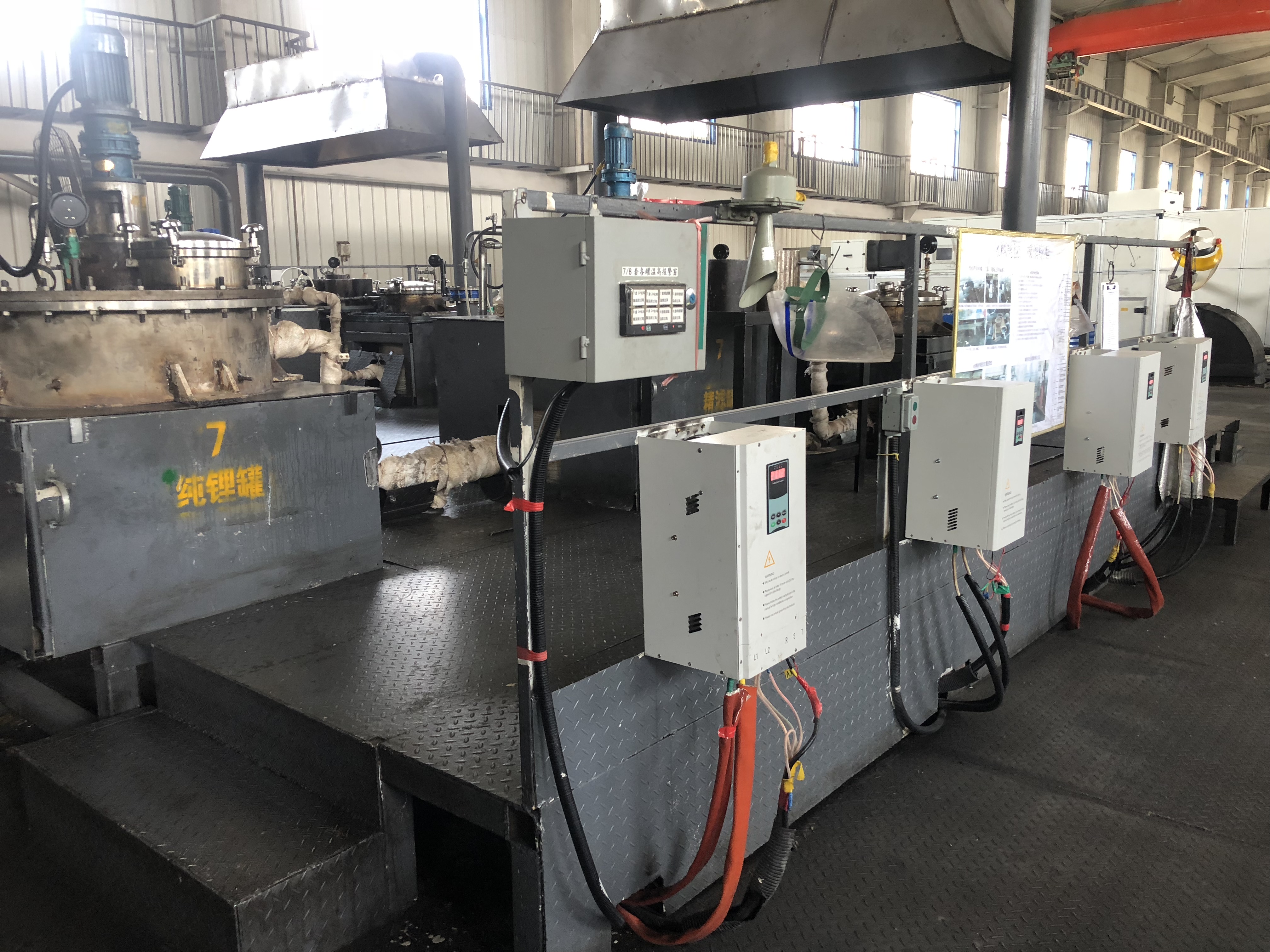
In the plastics processing industry, a casting machine is the central facility of almost every factory. However, many business owners have a common problem:
"Electricity costs are high, rising every year."
In many cases, the problem is not with the machine itself, but with the traditional resistive heating method.
This method is quietly eating away profits.
That's why more and more factories are looking at the following direction:
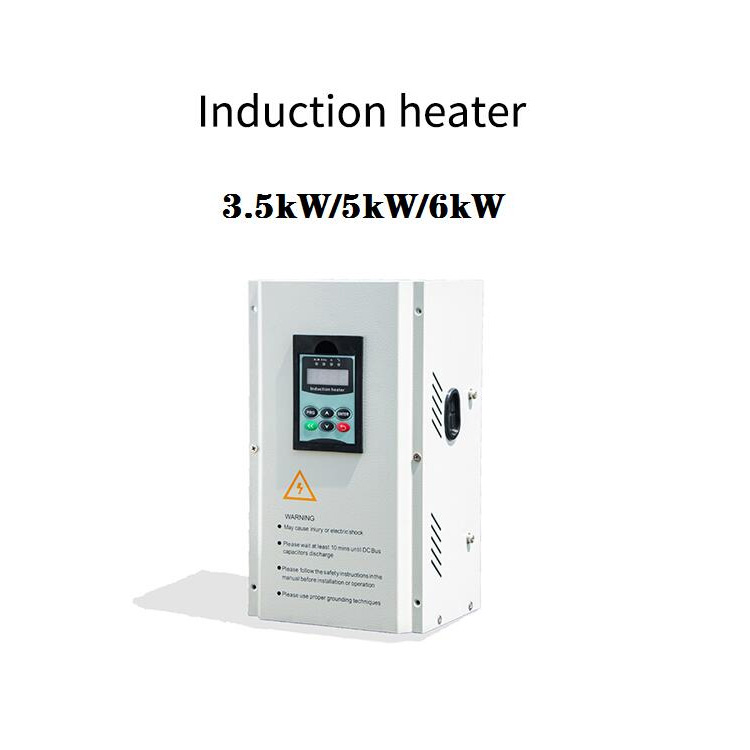
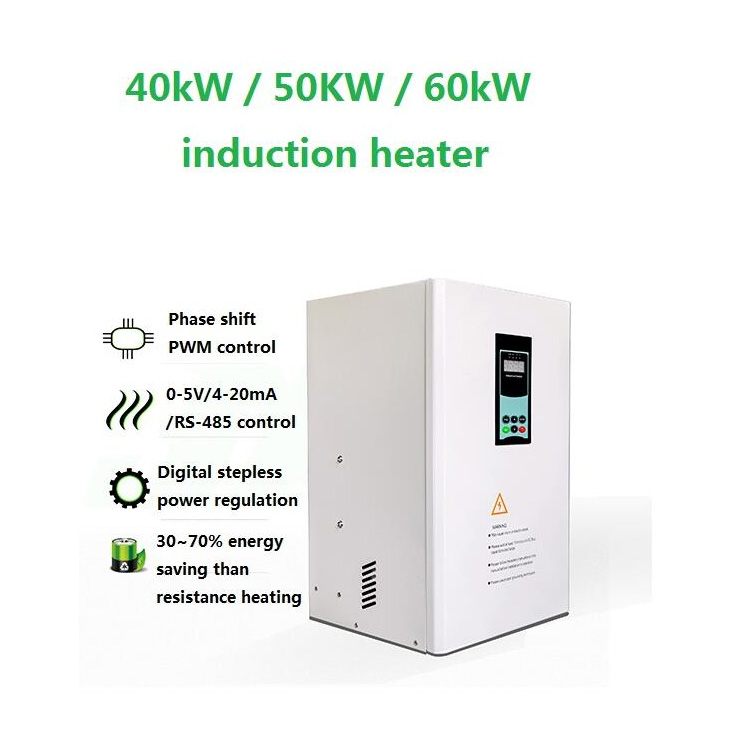
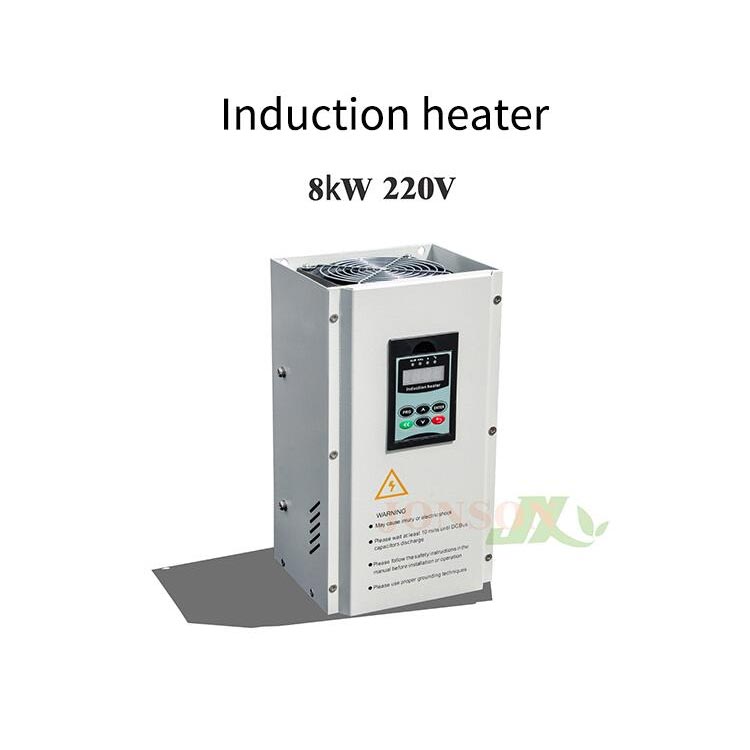
Modification of casting machine to induction heater
So what exactly is this transformation? Is it worth doing? How effective is it?
In this article, I will explain everything in an easy-to-understand way.
Why is a plastic casting machine a representative of "overuse of electric power"?
Let's see reality first.
Data for general casting machines:
- heating output: 30kW to 80kW
- working hours: 10-20 hours per day
300 days or more per year
If you just look at the heated part, you can see that it costs a huge electricity bill.
There are several problems with traditional resistive heating methods:
1. Low thermal efficiency
The heating tube heats up and the heat is transferred to the tube, causing a great loss.
2. Difficult heat
A lot of heat escapes into the air, making the working environment hotter and wasting electricity.
3. The temperature rise is slow and the temperature management is unstable
It affects the quality of the product and is especially fatal in precision molding.
4. Short life and high maintenance frequency
Heating rings tend to burn out and need to be replaced repeatedly.
All of these problems come down to the root cause of "paying for no effective heat".
What is the induction heating remodeling of the molding machine?
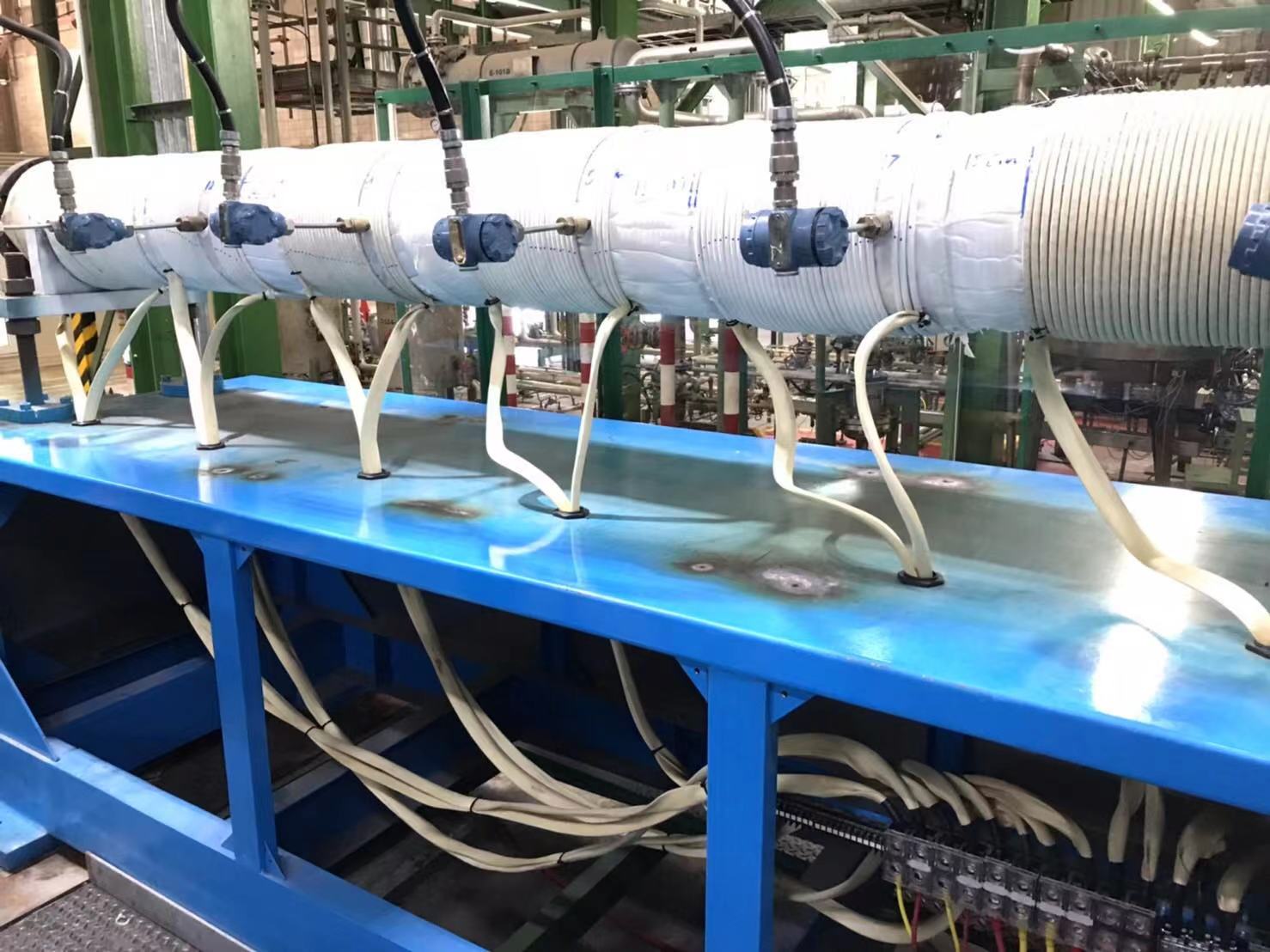
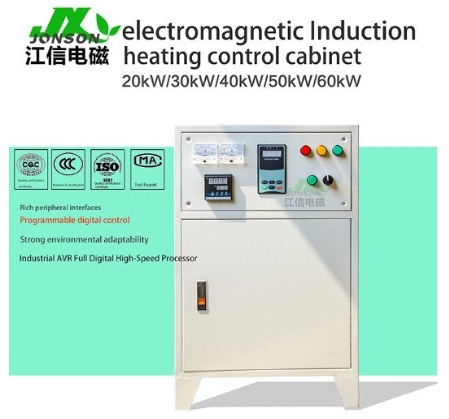
Simply put, it is to replace conventional resistive heating rings with induction heating systems.
Here's how it works:
The external coil generates an electromagnetic field so that the metal tube itself generates heat.
In other words, it is not a method of "heating directly from the inside" and "heating first and then transmitting".
What is the actual effect after the modification?
1. Power saving effect is significant (the most important point)
This is where many managers are most interested.
In actual cases, power savings usually reach 20% to 40%.
The cause is simple: reduce heat loss, improve heating efficiency and eliminate unnecessary heating.
In other words, the same temperature can be achieved with less power.
2. Increase temperature and improve production efficiency
The characteristic of induction heating is that it starts up quickly, rises quickly, and is responsive.
As a result, the waiting time is shortened and Settings can be adjusted quickly.
It is especially valuable for plants with tight deadlines.
3. Significant improvement in the working environment
According to feedback from many of the factories that have done the remodeling
The workplace temperature drops significantly, workers no longer work in a "fiery environment" and the air conditioner loads less.
This is also an invisible form of energy conservation.
4. Machine stability is improved and maintenance costs are reduced
Induction heating is free of problems such as burnout, poor contact, and deterioration due to high temperatures.
There are fewer failure points and the life is longer.
In fact, we have heard from many customers that the annual maintenance cost is close to zero.
4. Do you need to shut down?
A concern for many managers, the current mainstream retrofit methods are modular and do not require the replacement of the entire machine.
Only the heated part can be modified and installed in stages.
If the machines are retrofitted one by one, production will not be affected, installation time will be short and can be completed normally within one day.
In other words, it's not a "major change", it's a "pinpoint upgrade".
5. Calculate by simple calculation
Suppose the data of a casting machine is as follows:
Original heating power: 60kW
Daily operating hours: 12 hours
Electricity fee: 1 yuan/degree
Original electricity bill:
60 × 12 × 1 = 720 yuan/day
If we could save 30 percent
Savings per day: about 216 yuan
Over 6,000 yuan per month
Annual: more than 70,000 yuan
For most projects, it takes 6-12 months to pay off.
Which factories should be converted first?
If any of the following conditions are met, please consider: large number of molding machines available
Electricity accounts for a large proportion of the cost
Long hours of continuous operation
The workshop is hot and the environment is bad
The equipment is old, the heating is unstable
In this situation, the benefits of a rebuild are very clear.
To summarize:
Induction heating remodeling of a molding machine is not just a replacement of equipment, it is an upgrade that changes "wasted power consumption" to "effective production capacity".
If you're currently facing the following challenges:
· the electricity bill is too heavy
· difficult to improve production efficiency
· discuss energy saving transformation, but do not know where to start
Reforming a casting machine into an induction heating system is therefore a top priority with a low investment, a clear return and a low risk.