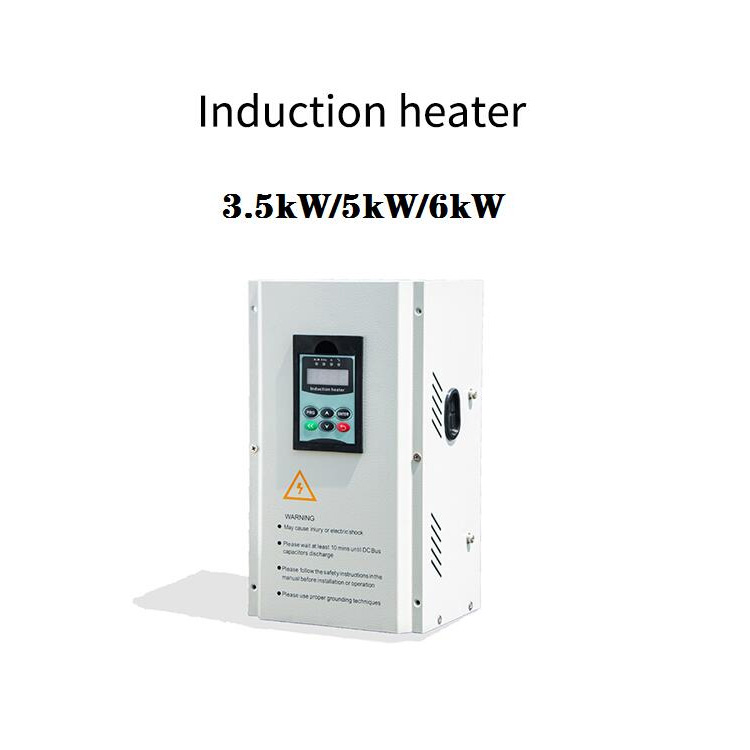
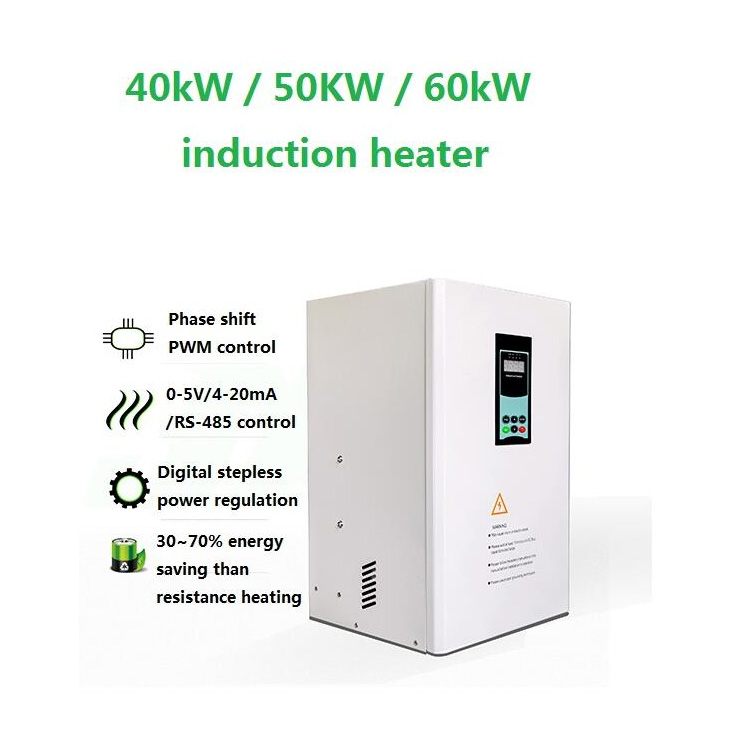
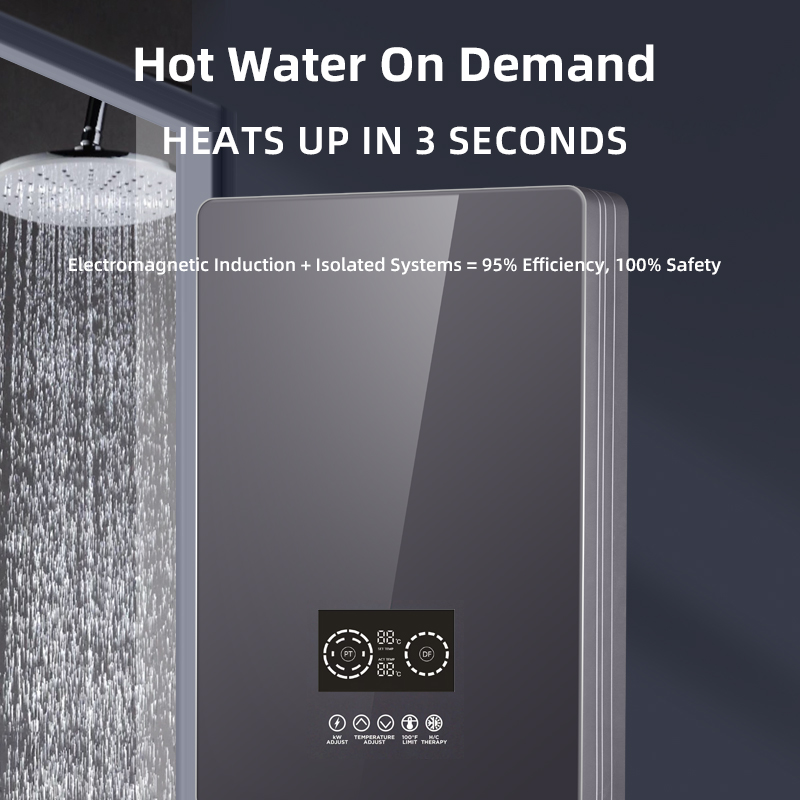
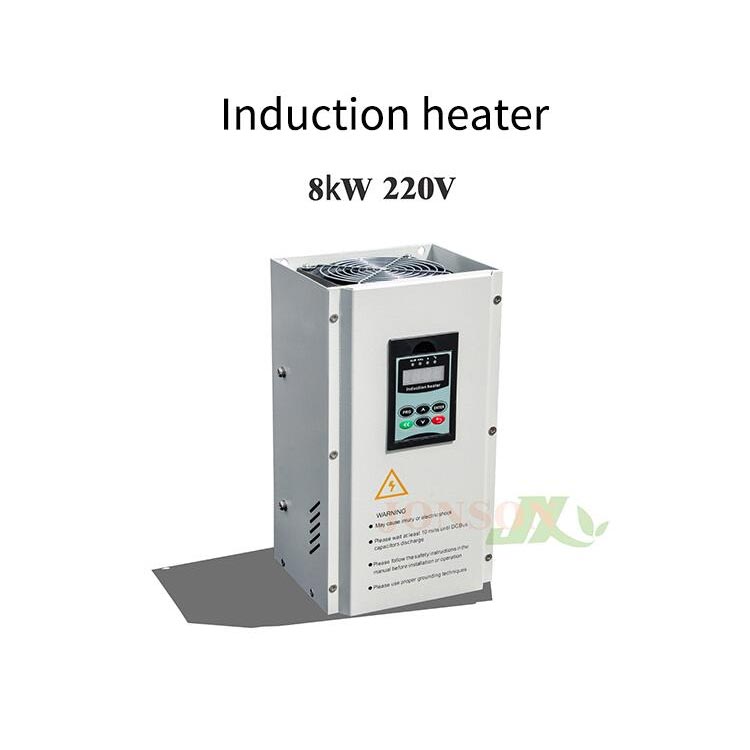
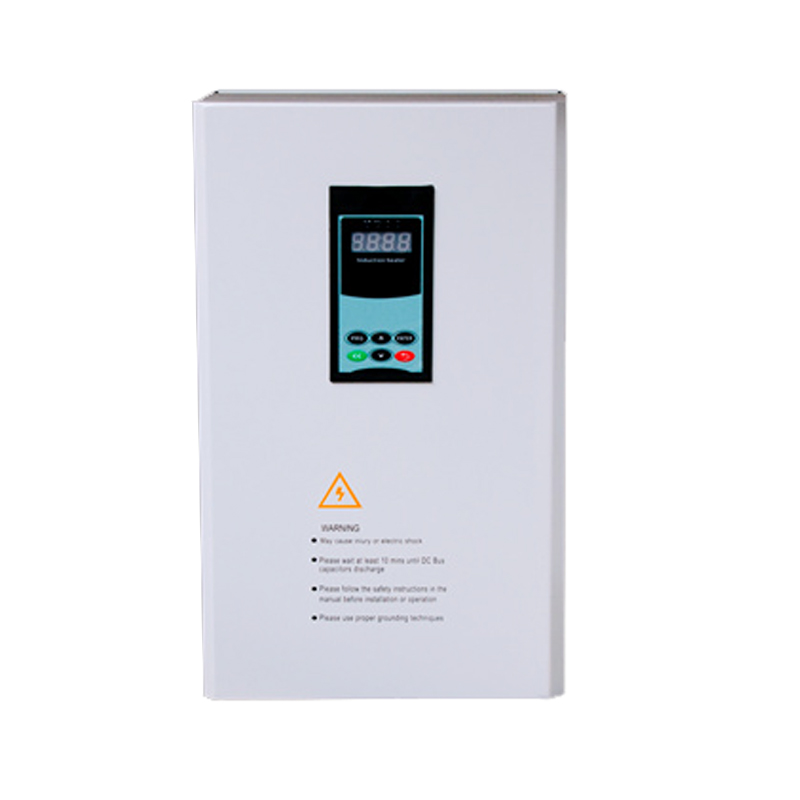
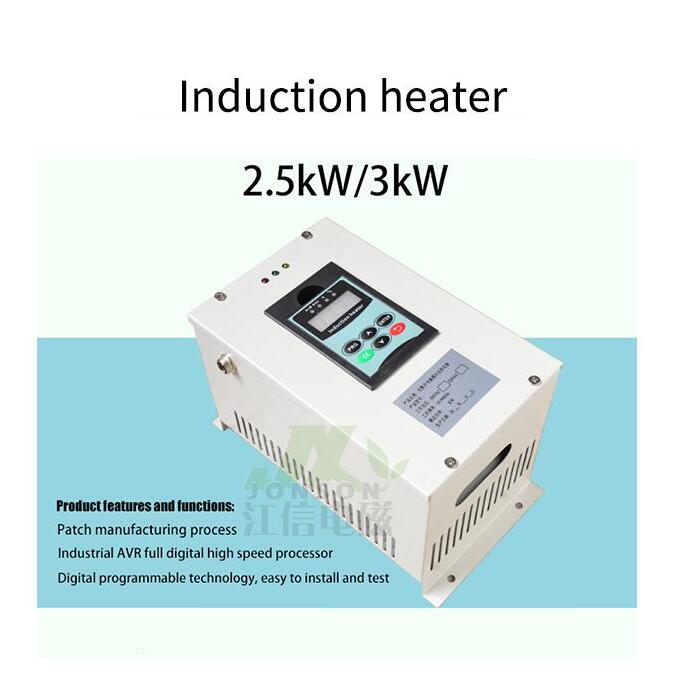
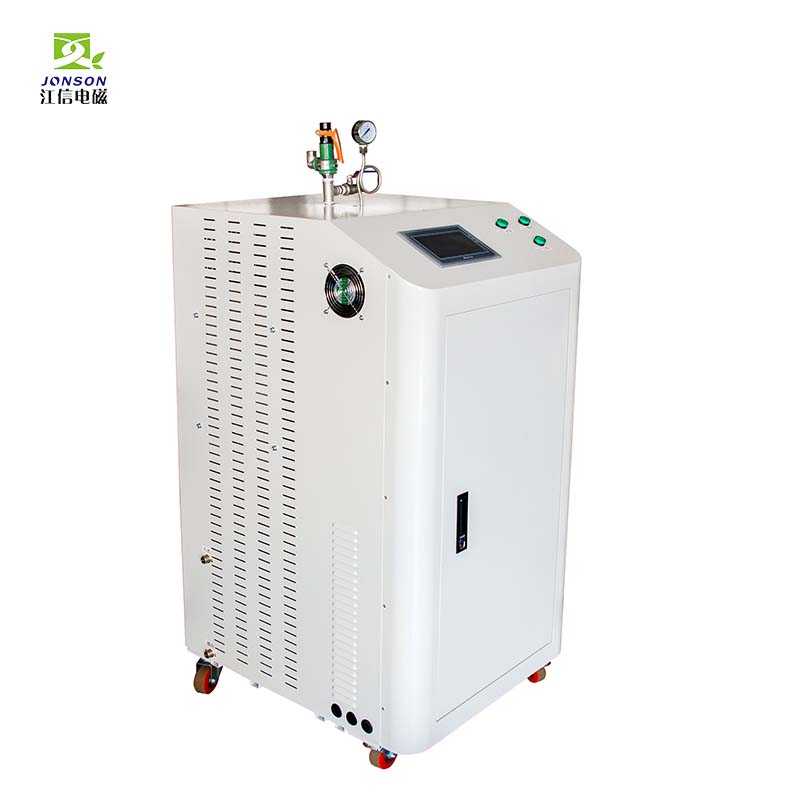
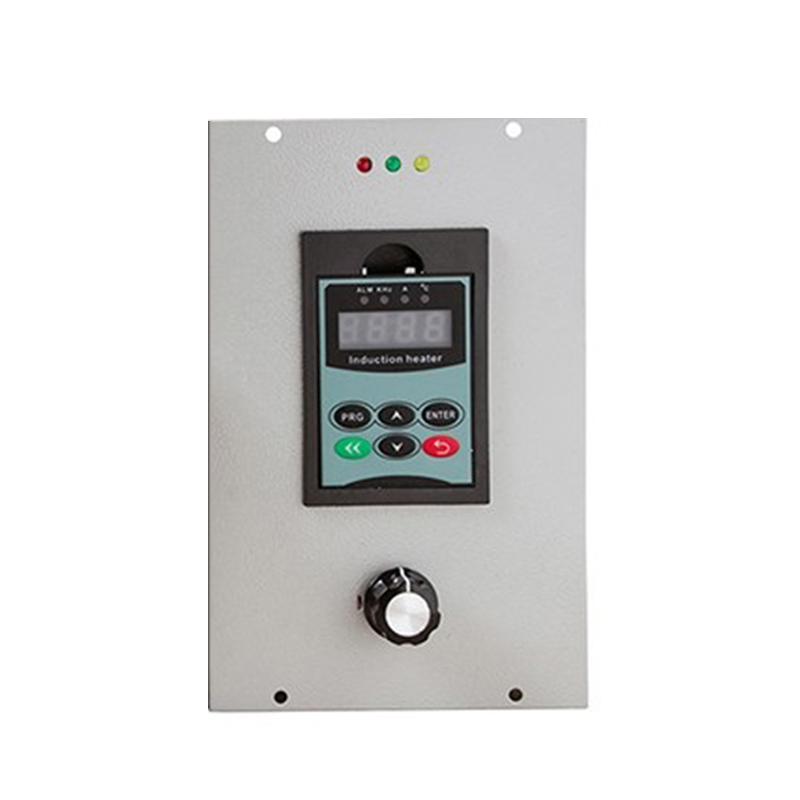
With the development of IGBT frequency conversion technology. Induction heating has become one of the most efficient, accurate, and environmentally friendly heating technologies in modern industry. As the world's manufacturing industry shifts towards energy efficiency, automation, and sustainability, induction heating equipment is increasingly replacing traditional heating methods such as resistance heating, gas stoves, and fuel systems. We learn about the current popular induction heating equipment from here, including its working principle, important components, advantages, technological progress, and major industrial applications.
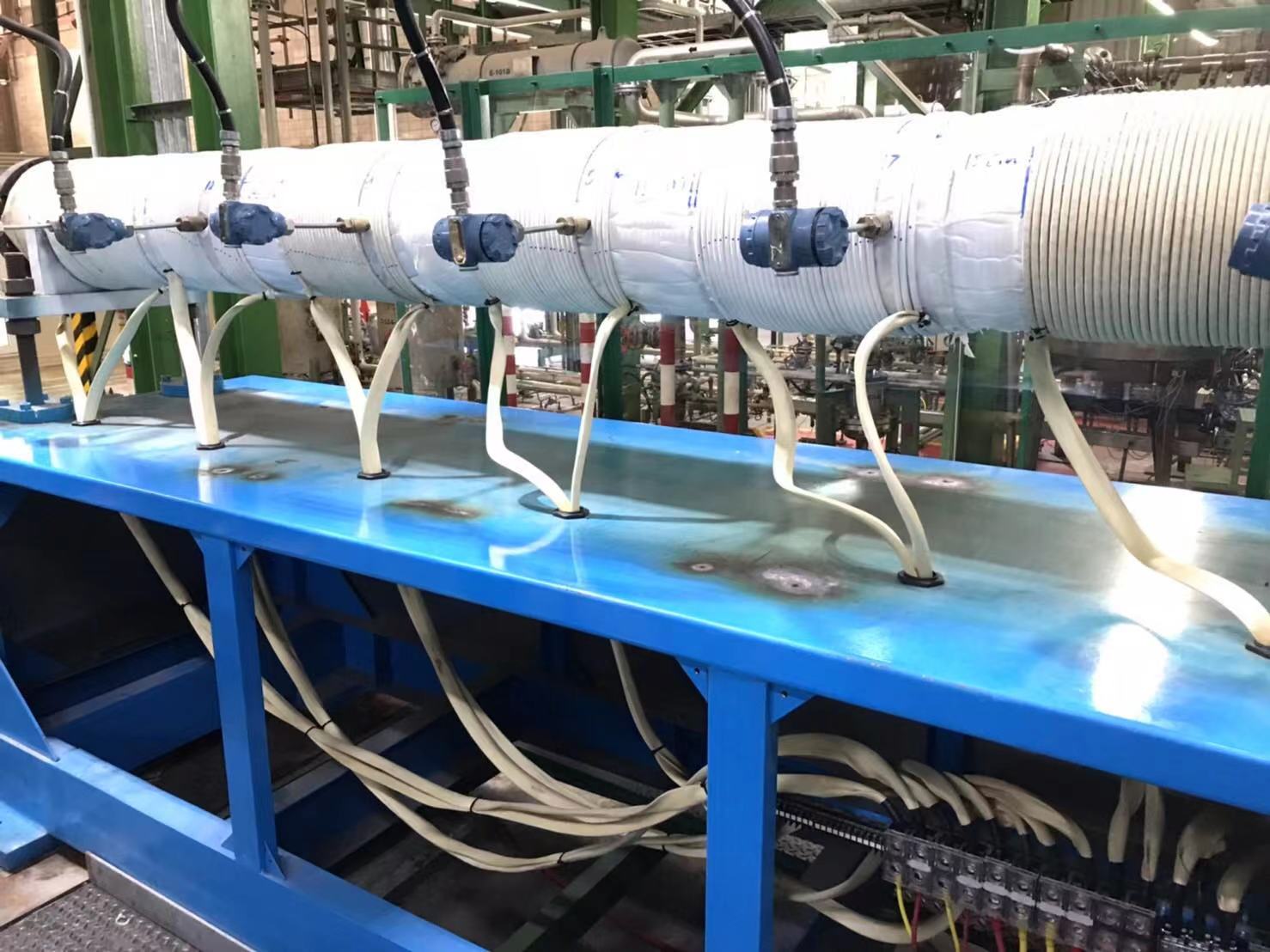
1.Fundamental principles of induction heating
Induction heating is based on the electromagnetic induction principle. When alternating current (AC) passes Coyle, a changing magnetic field is generated. When a conductive material (usually metal) is placed in a magnetic field, eddy current is induced inside the material. These currents encounter resistance and generate heat to the material itself.
Also, in ferromagnetic materials, the hysteresis loss causes heat generation at a low frequency. The combination of eddy current heating and hysteretic heating provides fast, uniform and controllable heating without direct contact between the heat source and the workpiece.
Important components of modern induction heating systems
2.Modern induction heating systems consist of several important components that work together to provide accurate and efficient heating.
2.1 power supply
Power is the core of the system. Convert standard power to high frequency AC. In modern systems, an IGBT (insulated gate bipolar transistor) or a solid state inverter based on MOSFET technology is commonly used to achieve efficient and accurate frequency control.
2.2 induction Coyle
It is also called inductive Coyle, inductor, and is designed based on the shape and dimensions of the work. It is usually made of copper tube and is usually water-cooled. Coyle design plays an important role in terms of heating efficiency and uniformity.
2.3 cooling system
Since both power electronics and induction Coyle generate heat, cooling systems (usually water systems) are important to maintain stable operation and extend the life of the device.
2.4 control system
Modern induction heating devices employ advanced digital control systems, including PLC (programmable logic controller) and touch screen interface. These systems allow the operator to precisely control temperature, frequency, power output, and heating time.
3.types of induction heating devices
The induction heating system can be classified based on frequency, application, and Design:
3.1 high frequency induction heating apparatus
These systems typically work at over 100 kHz and are used for heating small parts requiring surface hardening, brazing, and shallow penetration depth.
3.2 mid frequency induction heating apparatus
These systems operate between 1 kHz and 100 kHz, and are widely applied to forging, melting and heat treatment processes to balance their penetration depth and heating rate.
3.3 low frequency induction heating apparatus
Typically, less than 1 kHz, these systems are suitable for applications that require heating of large workpieces and requiring deep thermal penetration.
3.4 portable induction heater
Small mobile system designed for field applications such as bolting, bearing mounting and maintenance work.
Advantages of modern induction heating
Induction heating has many advantages over conventional heating methods:
4.1 improving energy efficiency
The induction heating can directly heat the workpiece and achieve an energy efficiency level of up to 90% or more without requiring intermediate heat transfer.
4.2 rapid heating rate
This process can reach the target temperature within a few seconds and greatly increase the production efficiency.
4.3 accurate temperature control
An advanced control system allows for accurate and reproducible heating processes and ensures consistent product quality.
4.4 clean and environmentally friendly
Induction heating is a clean and safe technique without generating fire, exhaust or combustion residues.
4.5 automation and integration
Modern systems can be easily integrated into automation lines and support industry 4.0 plans.
5 technical progress
Recently, induction heating technology has made significant progress:
5.1 digital power control
A digital signal processor (DSP) and an intelligent algorithm can be used to adjust power and frequency in real time to increase efficiency and process stability.
5.2 ubiquitous network and remote monitoring
Modern systems can be connected to IOT (IOT) to allow remote monitoring, predictive maintenance, and data analysis.
5.3 luxury Coyle design simulation
Computer aided design (CAD) and electromagnetic simulation software help optimize Coyle geometry to achieve maximum efficiency and uniform heating.
5.4 energy conservation innovation
The new technology focuses on reducing waiting losses, improving power factor and improving overall system efficiency.
6.Industrial applications
Induction heating equipment is widely applied to each industry:
6.1 metal processing
The use includes forging, annealing, quenching, tempering and melting of metals such as steel, copper and aluminum.
6.2 automotive industry
It is used for assembly technology such as gear quenching, shaft heating, and heat shrink assembly.
6.3 machine manufacturing
Induction heating is applied to the mounting of bearings, heating piping, and assembling parts.
6.4 energy and power sector
Used for preheating, coating removal and stress removal heat treatment of piping.
6.5 electronics and semiconductor industry
Welding, copper welding, and crystal growth processes are used for precise heating.
7. Future development directions
The future of induction heating equipment is closely related to the global sustainable development and the trend of Intelligent Manufacturing:
Green production: the decrease in carbon emission and the improvement of energy efficiency improved the adoption rate.
Intelligent systems: integrating artificial intelligence and big data for predictive control and optimization.Customization: Customize more concrete app designs to fit Rickey industry needs.
Compact design and modular design: installation, maintenance, and extensibility.