How Induction Heating Achieves Energy-Saving Heating — The Development and Future of Industrial Induction Heating Technology
1. What is induction eddy current heating?
Heating is involved in almost all industrial production processes. Traditional heating methods mainly transmit heat depending on resistance wire, gas combustion or thermal conductivity. But cold heating works in a completely different way.
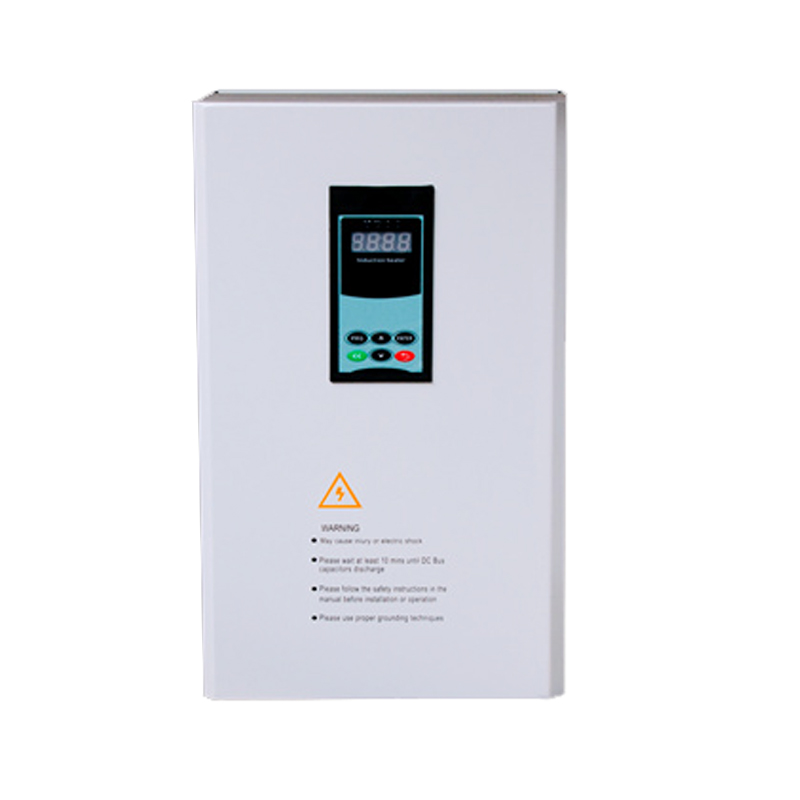
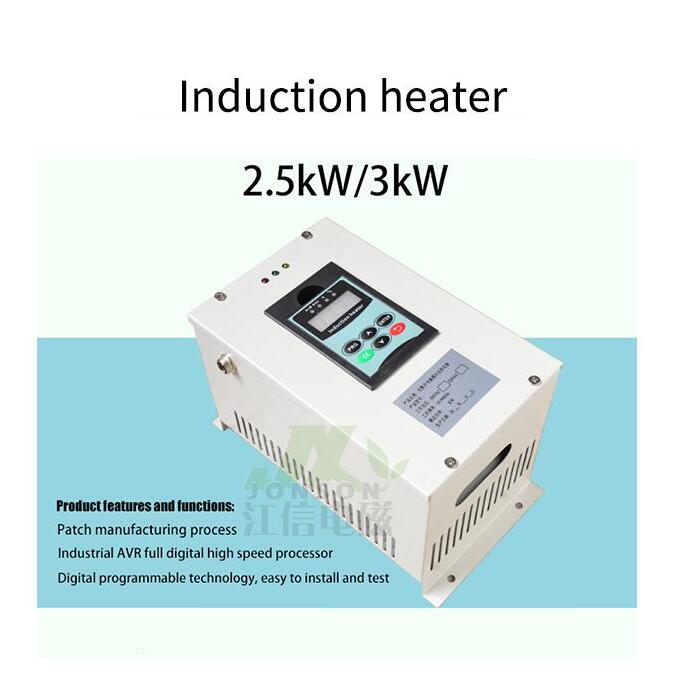
Fluid heating, also known as electromagnetic flux heating, is based on the principle of electromagnetic flux and eddy current effect. When high-frequency alternating current passes through the induction coil, it generates a rapidly changing magnetic field. When a metal object enters this magnetic field, the magnet line continuously cuts the metal, creating a strong kettle inside the material. These boilers flow through the resistance of the metal and generate heat directly from within the metal itself.
Simply put, traditional heating is "heat transfer", but induction heating is "the metal produces heat on its own".
Thanks to this direct internal heating process, energy loss is significantly reduced and heating efficiency is much higher.
2. Advantages of Magnetic Induction Heating
One of the biggest advantages of induction heating is its high efficiency and fast heating speed.
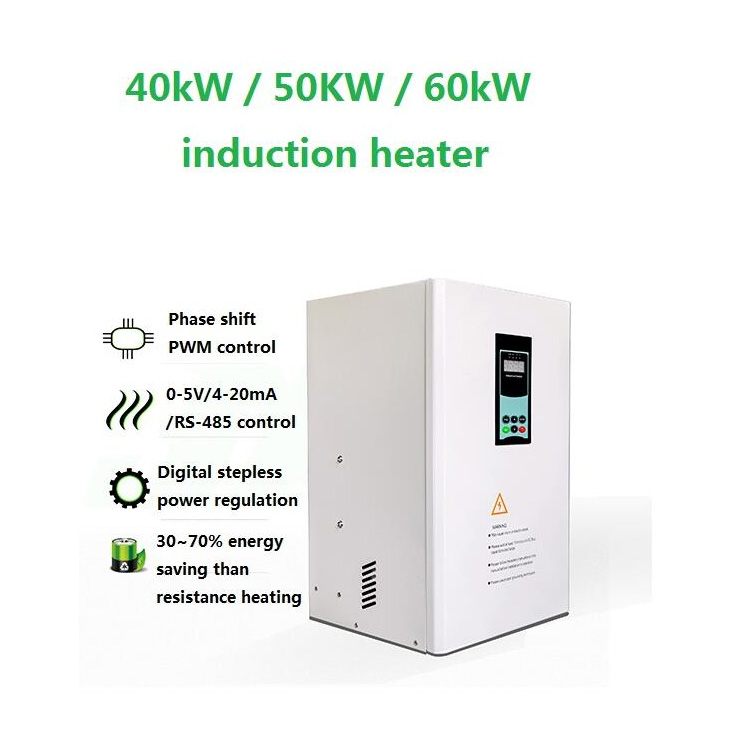
Traditional electrical resistance heating first heats the heating element and then transfers the heat to the target object. In this process, a significant amount of heat is lost to the surrounding air. Cold heating differs in that heat is generated directly inside the metal, minimizing intermediate heat transfer losses.
Another important advantage is precise temperature control. By adjusting the frequency and power, you can precisely control the heating temperature and speed. This is particularly important in industries such as food processing, plastics manufacturing, chemical production and metal heat treatment.
Induction heating is also a non-contact heating method. With no open flames or exposed red hot heating elements, it is much safer than traditional heating systems. As the heat is concentrated inside the workpiece, the surrounding environment opens more and improves the working site conditions.
In addition, intuition heating provides excellent energy-saving performance, as it reduces maintenance costs and extends equipment life.
3. The structure is not complicated and IGBT technology is very mature
Many people think that induction heating systems are very complex, but modern induction heating technology is already very mature.
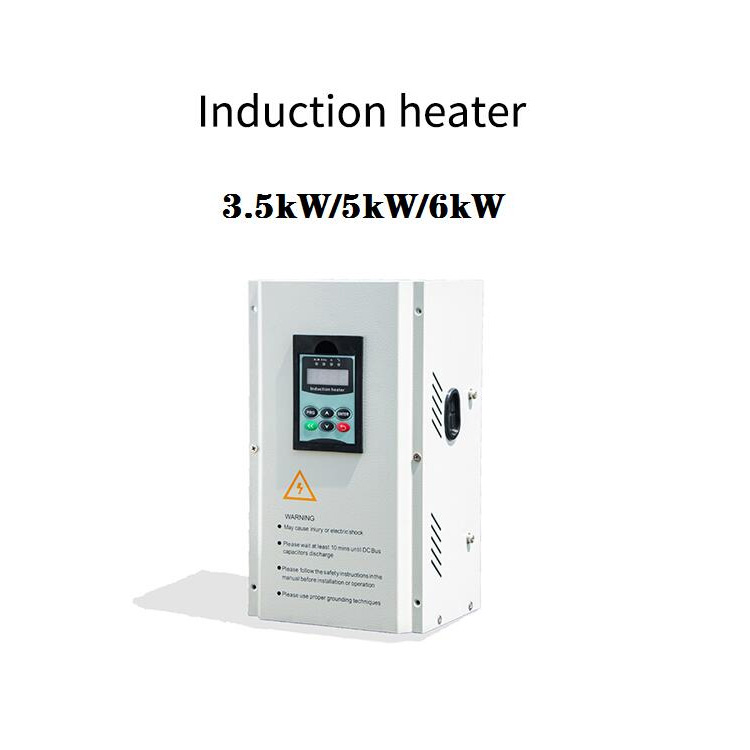
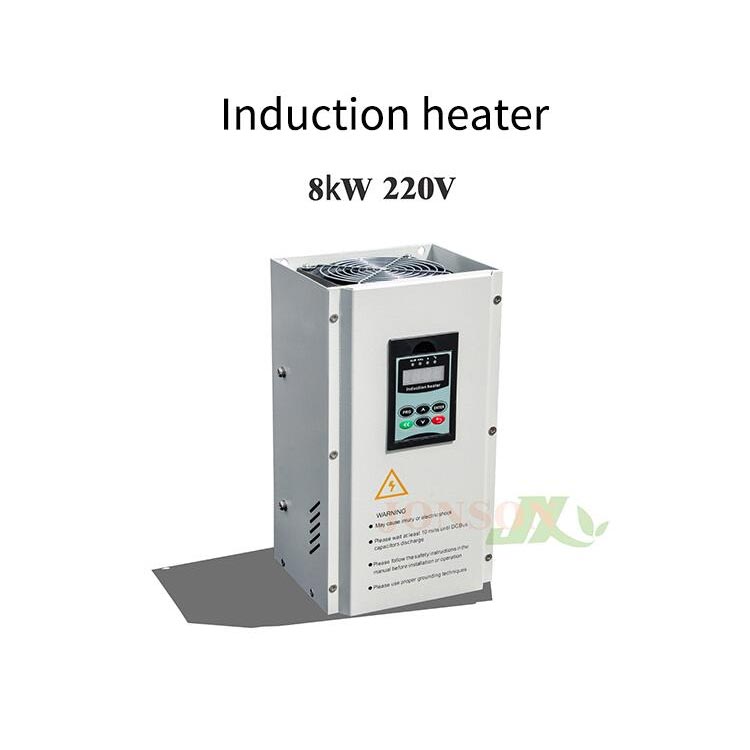
Typical induction heating systems mainly include:
Cleaner Module
IGBT Inverter Module
Resonance Circuit
Induction Coil
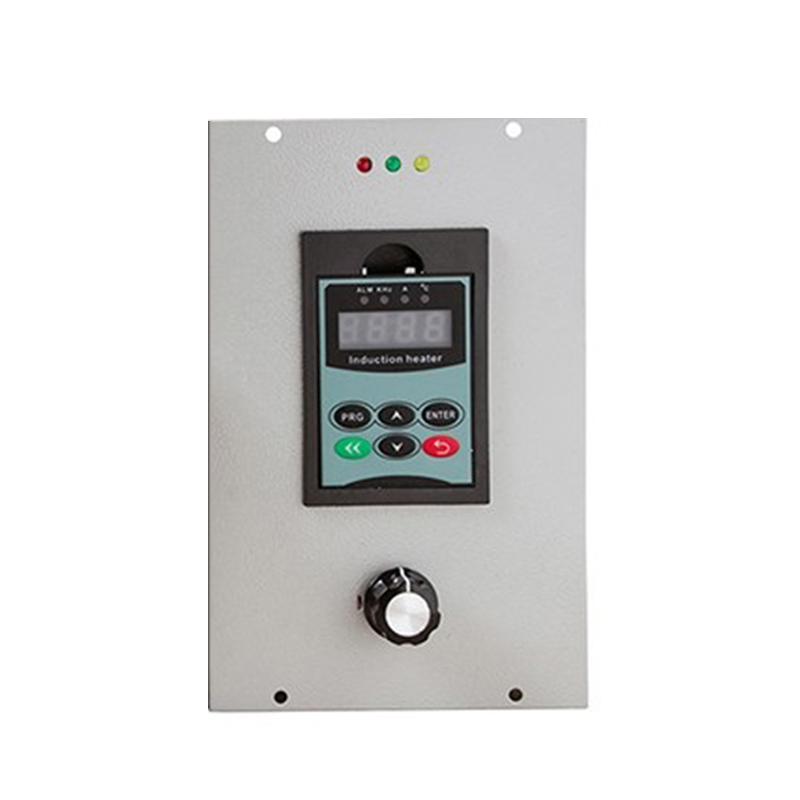
Intelligent Control System
The core technology is IGBT high frequency inverter.
IGBT (Insulated Gate Bipolar Transistor) technology converts common power frequency electricity into high frequency alternating current, generating induction coils with high frequency magnetic fields. With the rapid development of power electronics, modern IGBT systems have become highly reliable, energy efficient and stable.
Today's induction heating equipment can integrate advanced intelligent features such as:
Automatic temperature control
Soft Start
Automatic Power Adjustment
Error Protection
Remote monitoring
As a result, induction heating systems are becoming increasingly intelligent, stable and easy to maintain.
4. Induction heating is widely used through industry
Today, induction heating technology is widely used in many industrial fields.
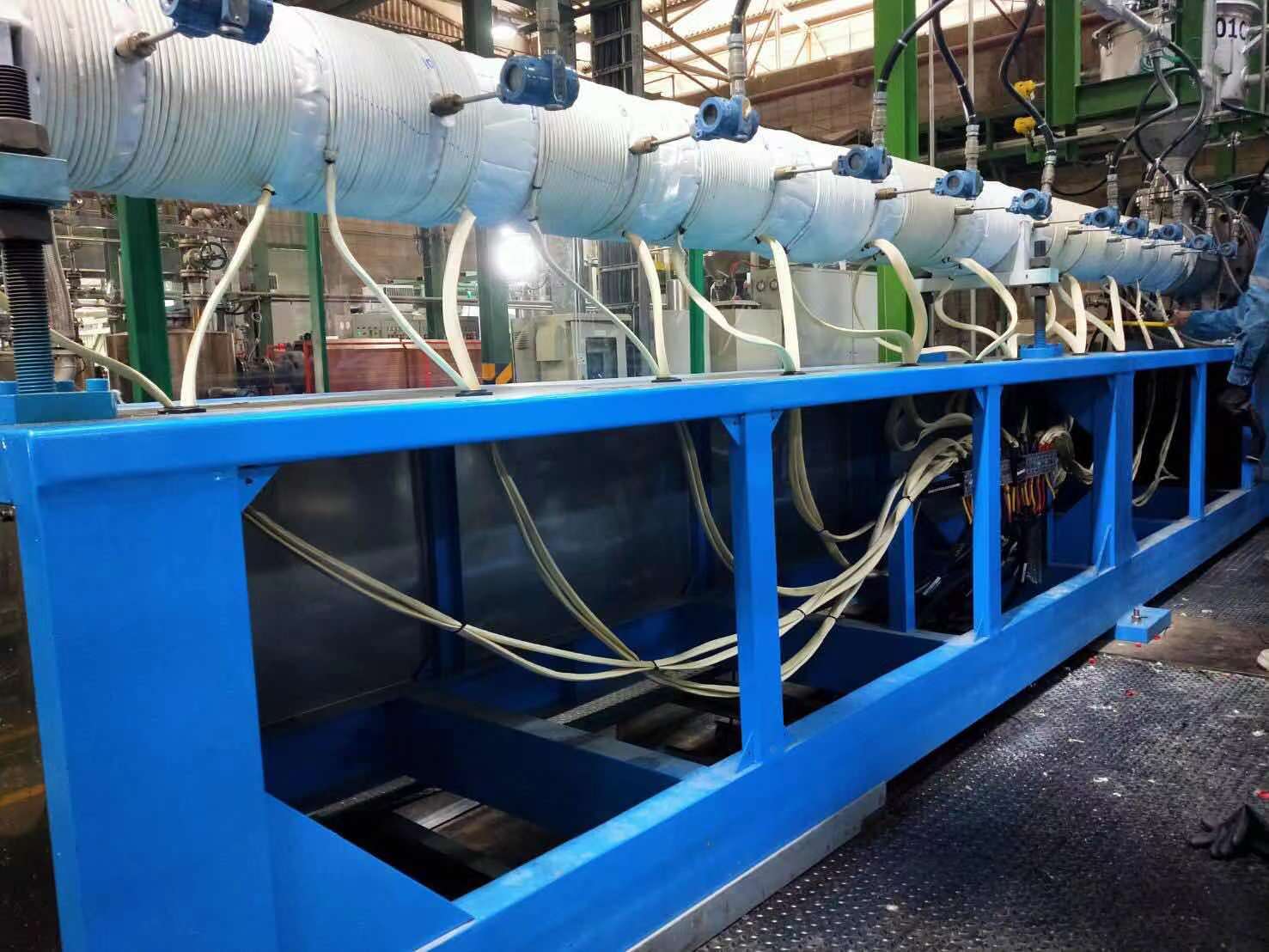
In the plastics industry, induction heating is commonly used for injection molded barrel heating upgrades, helping to reduce power consumption in the plant and improve workplace conditions.
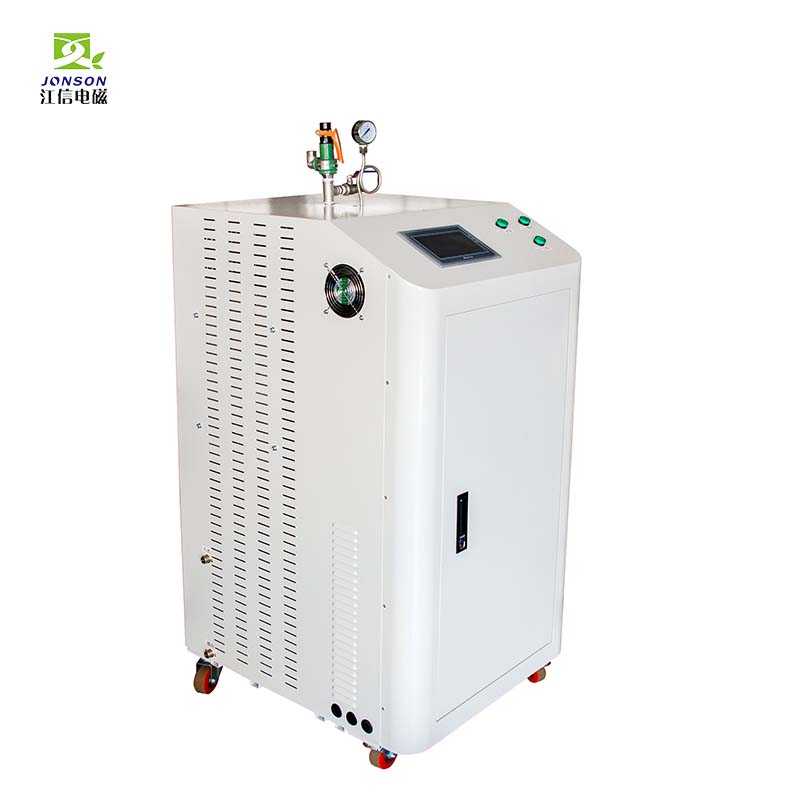
In steam systems, electromagnetic steam generators are gradually replacing traditional electric boilers, offering higher thermal efficiency and lower maintenance costs.
In the food processing industry, induction heating is used in steam, sterilization, cooking and temperature control processes.
In the chemical industry, induction heating is applied to nuclear and thermal oil systems for fast and accurate heating.
It is also widely used in rubber manufacturing, textile dyeing, metal heat treatment, packaging machinery and industrial hot water systems.
Where industrial heating is needed, phosphate heating has strong application potential.
5. Market acceptance will continue to grow and induction heating will replace traditional high energy heating
As global energy costs continue to rise, energy-saving solutions for industry are becoming increasingly important.
Compared to traditional gas heating and resistance heating systems, induction heating offers:
Higher thermal efficiency
Reduced operating costs
Reduced maintenance
Better safety
Intelligent control function
Due to these advantages, induction heating is becoming increasingly popular worldwide.
Many plants have already completed large-scale induction heating upgrades and achieved significant energy savings. In many cases, overall energy consumption has been reduced from 20% to 40% and production stability has been greatly improved.
With the continuous development of energy-saving policies and power electronics technology, the scope of application of induction heating will continue to expand.