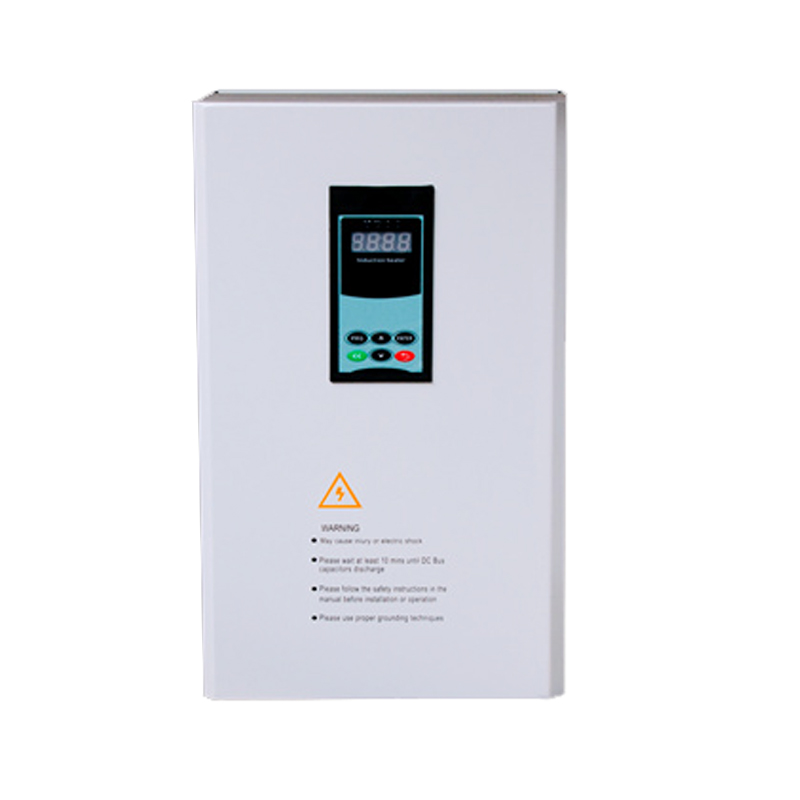
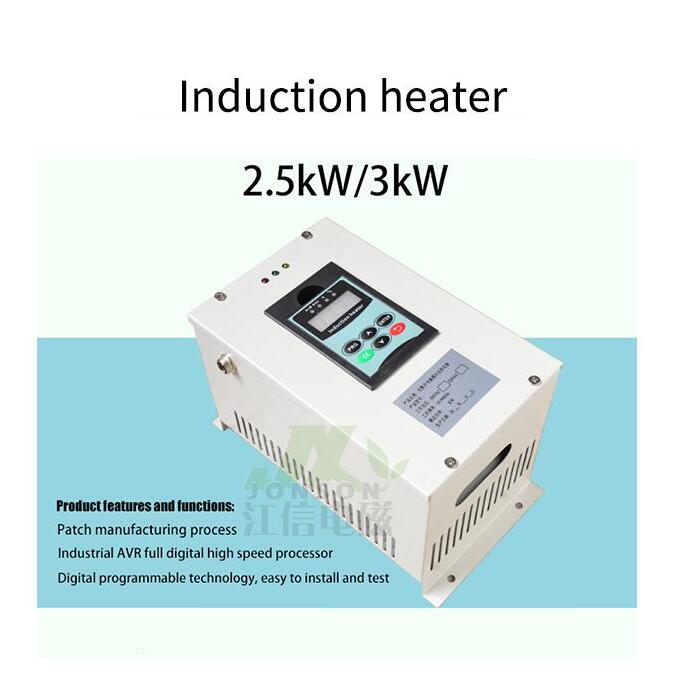
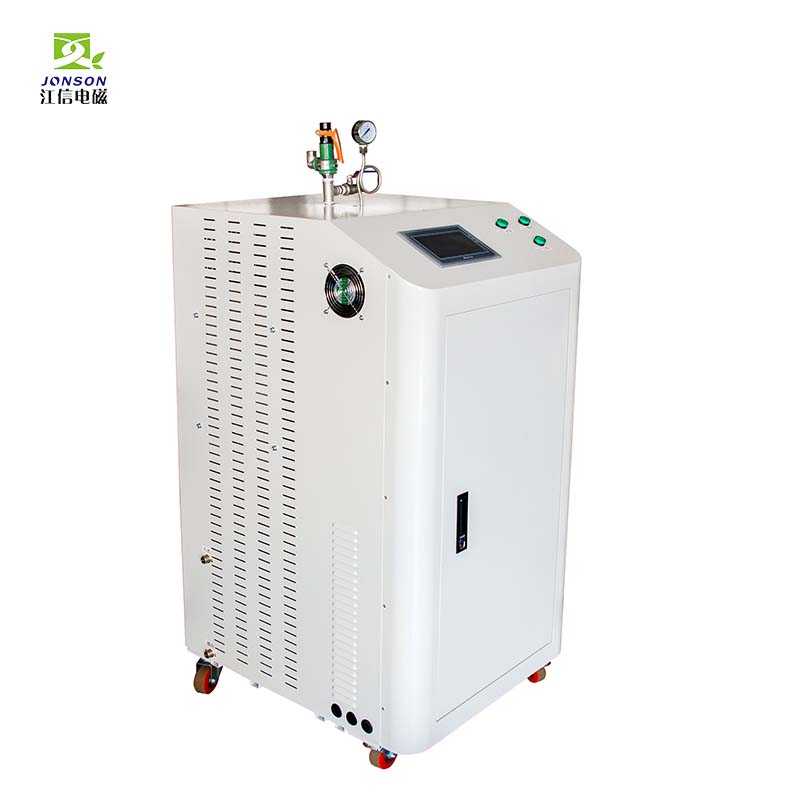
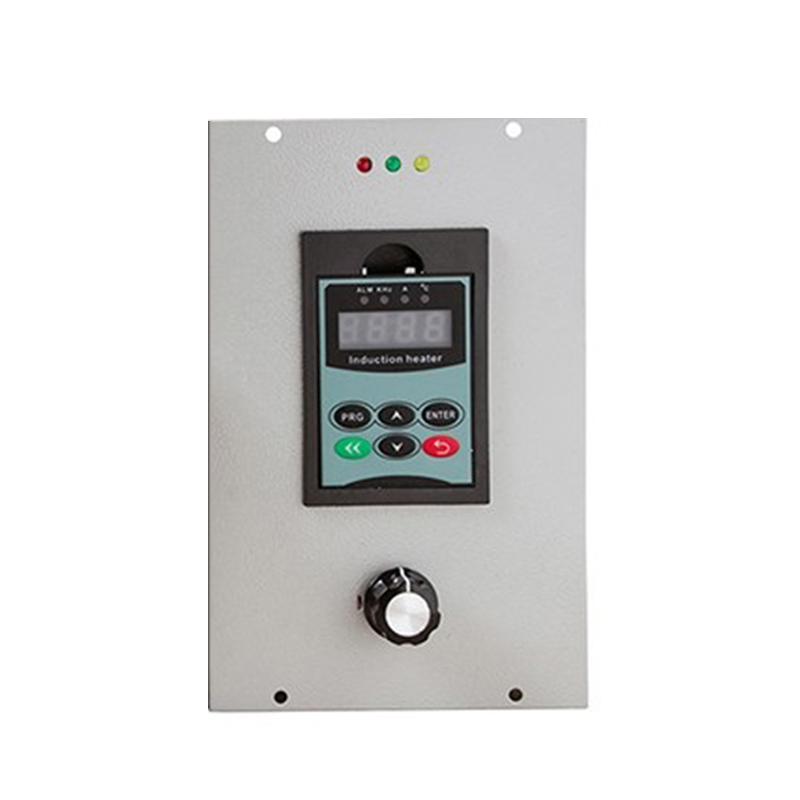
How to use the induction heating furnace most energy-efficiently?
In winter, many families encounter the same problem of heating:
The cold is unbearable without turning on the heater, and once the heater is turned on, the electricity bill increases sharply.
Many users have chosen induction heating stoves that are known as "safer and more energy-efficient", but have found that the actual results in use are not as ideal as imagined. The problem often lies not in the device itself, but in whether the usage is correct.
In fact, as long as you master the scientific setting methods and operation skills, the induction heating furnace can not only bring a stable and comfortable heating experience, but also effectively reduce the electricity cost throughout the heating season. This practical guide will teach you step by step to truly "bring out" the advantages of the induction heating furnace from start to finish.
1. Correct startup and initial settings: A key step for later energy savings
Many heating problems actually lie in the first startup.
1. Check before startup: Make the heat "go in the right direction"
Before starting the induction heating furnace, it is necessary to perform the following checks:
System water pressure: It is recommended to maintain it within the range of 1.0-1.5 Bar
Complete exhaust: Ensure that there is no air blockage in the radiator and pipes
If there is residual air in the system, the water circulation will not be smooth, which not only makes the heating slow but also forces the equipment to run at high power for a long time, directly increasing power consumption.
Practical judgment method:
If there is a noticeable abnormal noise when the water pump is running, it is likely that there is still air in the system, and you need to exhaust again.
2. Reasonably set the outlet temperature: It's not necessarily the higher the temperature, the warmer it is
Many users are accustomed to setting the temperature very high at the beginning, which is a typical "high energy consumption usage method".
Suggested outlet temperature:
General households: 50–70℃
When the house has better insulation conditions, it can be appropriately reduced
Suggested indoor temperature:
18–20℃ is the golden range for comfort and energy saving
The induction heating furnace has high heating efficiency and precise temperature control. As long as the system is matched reasonably, there is no need to rely on "high temperature to dominate" to obtain a perceived temperature.
2. Energy-saving core during operation: Constant temperature operation is more cost-effective than frequent switching
This is the key link determining "how high the electricity bill is".
1. Do not frequently switch on and off, this is the most common mistake
Many people think that "turning off means saving electricity", but for the heating system, the opposite is true.
Each time you restart
You need to reheat the entire water system
The instantaneous power is high, and the energy consumption is even greater
The correct approach:
For short-term outings (2-4 hours), it is recommended to lower the temperature by 3-5 ℃ and maintain low temperature operation instead of completely shutting down.
This can not only utilize the insulation performance of the building itself, but also avoid the additional power consumption caused by repeated high-power startups.
2. Make good use of time-based temperature control to make "electricity usage only occur when needed"
Modern induction heating furnaces usually support timing and segmented temperature control, which is an important tool for achieving energy savings. For example:
During the day at work: Automatically lower the operating temperature
Before going home at night: Preheat the room
During nighttime rest: Enter the economical operation mode
This "cooling down when people leave and heating up when people arrive" strategy can significantly reduce ineffective power consumption while ensuring comfort.
3. Ensure smooth heat dissipation and avoid "excessive power consumption when shifting gears"
A radiator covered by furniture, thick curtains, or clothing can seriously affect heat dissipation.
There is only one result:
The room temperature cannot rise, but the heating furnace keeps working.
Keeping the area around the radiator unobstructed is an almost "zero cost" energy-saving method, but it is often overlooked.
III. Daily Maintenance and Care: Truly Determine Equipment Efficiency and Lifespan
To ensure long-term stable and energy-efficient operation of induction heating furnaces, basic maintenance is essential.
1. Regular self inspection (once every quarter)
Check if the interface is leaking water
Observe whether the display and control are normal
Clean the dust on the equipment surface
These small checks can detect potential problems in advance and prevent small issues from escalating into high energy consumption or malfunctions.
2. System cleaning (once a year)
After the heating season ends, it is recommended to have professionals clean the system:
Remove scale and impurities in the pipes
Improve heat exchange efficiency
Reduce the burden on the equipment during long-term operation
In the long run, this step is crucial for "energy saving" and "extending the service life".
3. Ensure stable voltage and protect core components
Induction heating furnaces have certain requirements for power supply quality. If the voltage in the area fluctuates greatly, it is recommended to configure a voltage stabilizer to protect the core heating and control system and avoid abnormal power consumption and failure risks.
Summary: Only by using it can you truly save energy
The induction heating furnace itself has advantages such as high safety, high heat efficiency, and precise temperature control, but these advantages can only be truly transformed into:
More stable indoor temperature
Lower operating energy consumption
Longer equipment service life
If you are currently using an induction heating furnace or planning to purchase a truly energy-saving and stable heating system, now is the best time to re-examine the plan.
Want to know what power rating is suitable for your house?
Want to know how much electricity you can save with induction heating compared to traditional heating in a year?
Welcome to contact us to get one-on-one heating solutions and electricity consumption calculation suggestions. Let this winter truly be — warm with peace of mind, and energy-efficient with peace of mind.